
Gum Grafting in Burnaby
At Burnaby Dentist & Orthodontist, gum grafting is a targeted periodontal procedure used to treat or slow gum recession. It can address exposed roots, sensitivity concerns, and gum instability, with graft options selected based on tissue thickness, recession pattern, and long-term support needs.

What our Patient Think About Us?
Posted on loveleen dhanoaTrustindex verifies that the original source of the review is Google. I was scheduled for full checkup and cleaning. Randeep was so sweet, polite and experienced. At every point of the appointment, she made sure that I knew what was happening and If I was in any pain. She made my experience very smooth and less scary. She did an amazing job on cleaning and explaining everything. Dr. Sasan explained clearly about what is needed or not about my dental insecurities. Front Staff was nice and polite. Highly recommended!Posted on James YipTrustindex verifies that the original source of the review is Google. Amazing staff and facilities here and had a great time doing regular check up and cleanings. Would love to be backPosted on fardad faridiTrustindex verifies that the original source of the review is Google. Thanks for your good servicePosted on Alyoshka MyshkoTrustindex verifies that the original source of the review is Google. Posted on Carlotta CrestanelloTrustindex verifies that the original source of the review is Google. The best experience!! I was so nervous for my wisdom tooth extraction and the whole staff was so supportive. Highly recommended, everyone should feel like this when they go to the dentist. I ended up having fun!!!Posted on Sunny Lee-GordonTrustindex verifies that the original source of the review is Google. Ghazal was informative and caring! Loved my cleaning session with her :) definitely will come back!Posted on Elan AsselstineTrustindex verifies that the original source of the review is Google. Have come here for several years and now come with my kids (7 and 4), great experience, very friendly.Posted on Andrew WuTrustindex verifies that the original source of the review is Google. Patient and kind with their service. Much needed when it comes to teeth cleaningPosted on Layla SongTrustindex verifies that the original source of the review is Google. The dentist was professional and gentle – the whole experience was smooth and comfortable. Highly recommend!Posted on Jas JaskaranTrustindex verifies that the original source of the review is Google. Great service, staff and doctor are friendly. They’re giving very open and transparent service so feel comfortable with all the procedures and treatments.
Do You Need Gum Grafting? The Signs That Matter
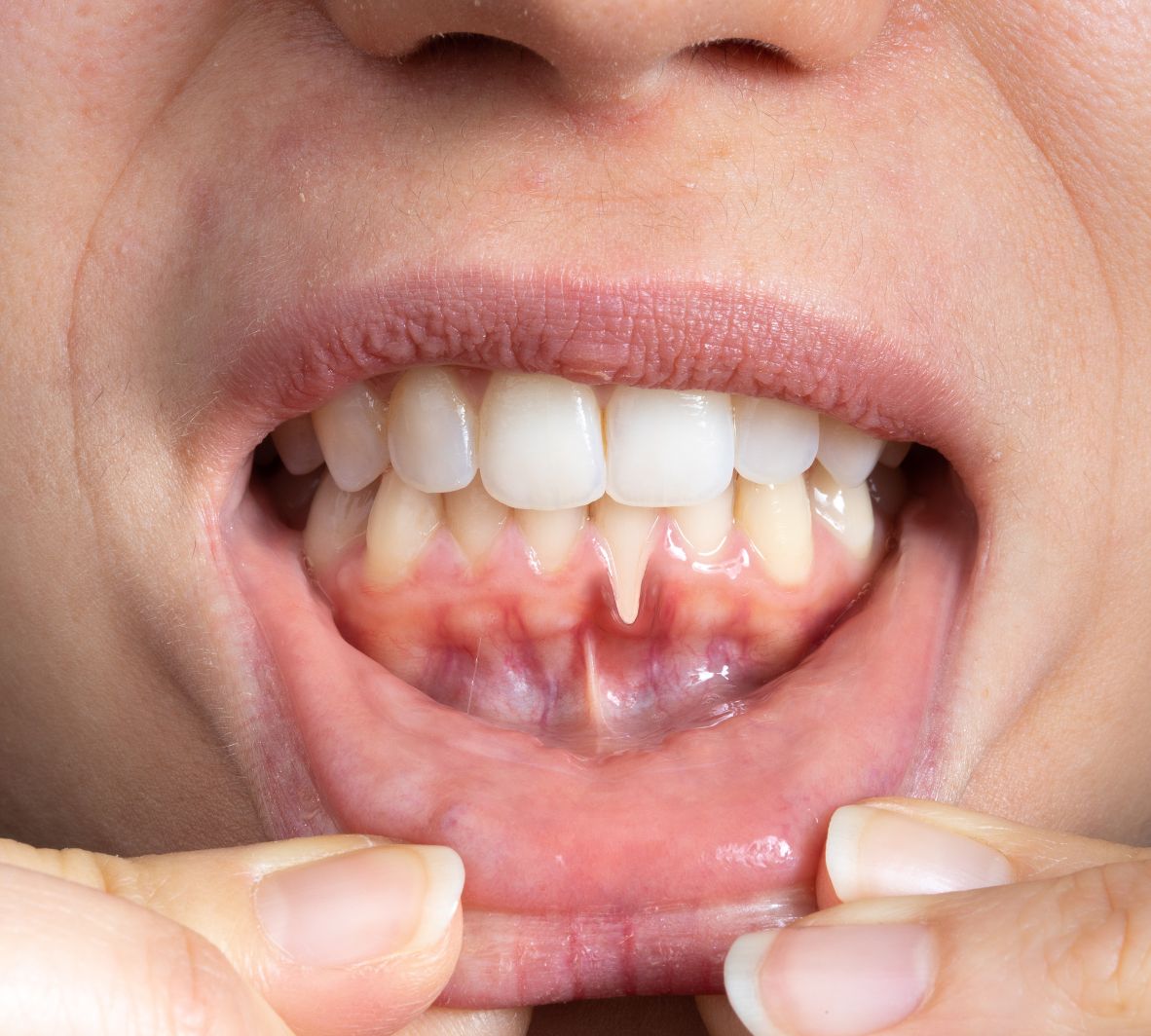
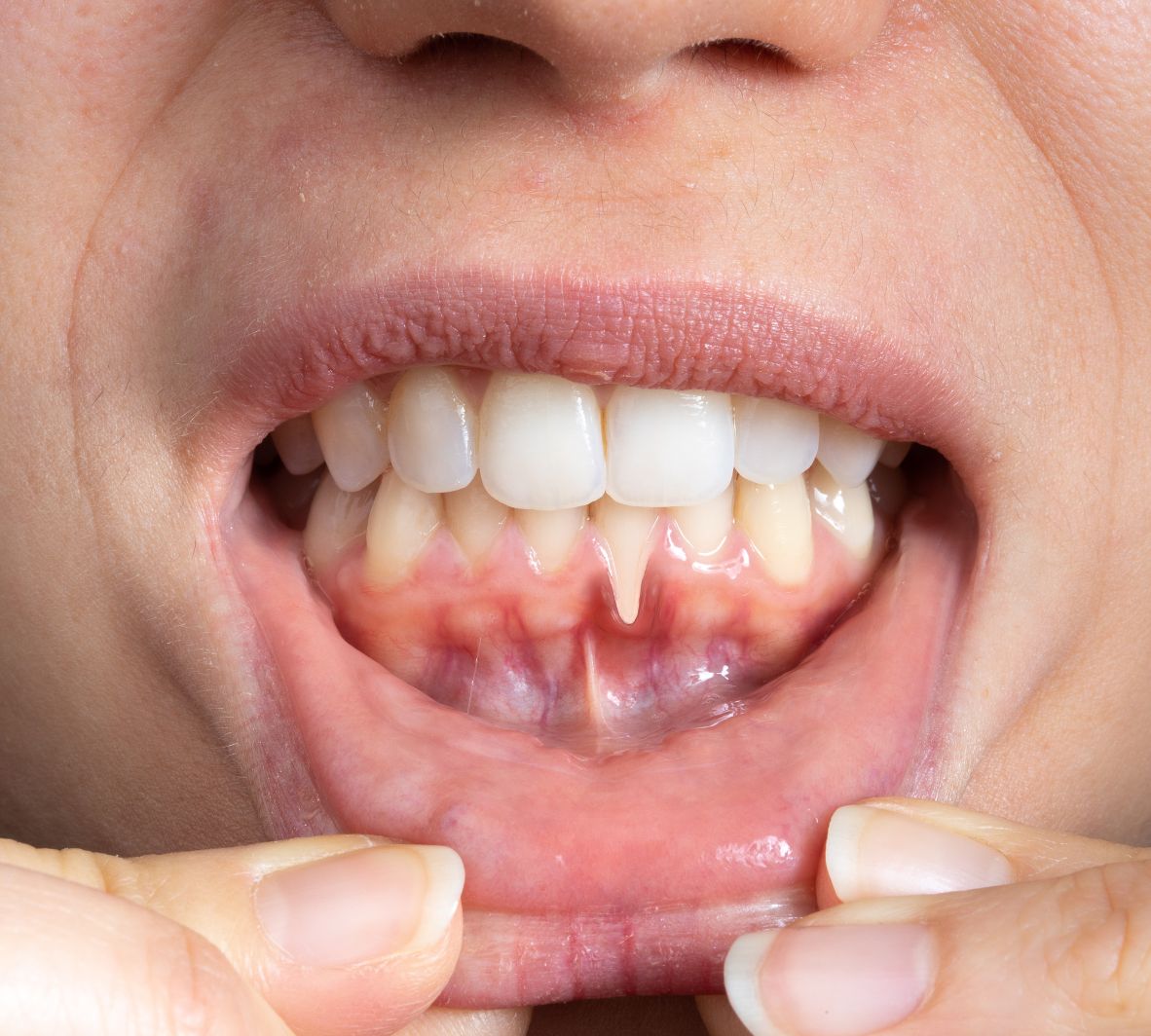
Gum grafting may be considered when you notice receding gums, longer-looking teeth, or increased sensitivity along the roots. It can also be recommended when gum tissue is thin or unstable, based on clinical measurements rather than appearance alone.

Receding Gums and “Longer-Looking Teeth”: What It Can Mean
When gums recede, more of the tooth root becomes exposed, making teeth appear longer. This can signal reduced tissue support and may increase vulnerability to sensitivity or continued recession over time.

Root Sensitivity, Notches, and Higher Cavity Risk on Exposed Roots
Exposed root surfaces are more sensitive and less resistant to decay than enamel. Notches or wear along the roots can raise cavity risk, even when daily brushing and oral care are consistent.

Thin Gums or Low Attached Tissue: Why Some Gums Need Reinforcement?
Some patients naturally have thin or limited attached gum tissue. When this reduces stability, grafting may be considered. For background on long-term gum support, you can review our periodontal maintenance in Burnaby page.

What Gum Grafting Actually Fixes?
Gum grafting can address different goals depending on the case. In some situations, the focus is covering exposed roots for protection. In others, it is increasing tissue thickness to improve gum stability and reduce future recession risk.

Root Coverage: When the Goal Is Protecting Exposed Root Surfaces
Root coverage focuses on shielding exposed tooth roots, which may help reduce sensitivity and support protection of vulnerable areas when healing progresses as expected.

Tissue Thickening: When the Goal Is Stronger, More Stable Gums
In some cases, grafting increases gum thickness rather than covering roots, helping reinforce fragile tissue and potentially improve resistance to ongoing irritation or movement, depending on contributing factors.

Root Coverage: When the Goal Is Protecting Exposed Root Surfaces
By improving tissue stability, grafting can make brushing more comfortable and support easier long-term plaque control without focusing on cosmetic change.
At Burnaby Dentist and Orthodontist Clinic
Begin Your Smile Journey with Dr. Hadianfar

Connective Tissue Graft vs Free Gingival Graft
Different graft types are used for different clinical goals. A connective tissue graft is often chosen for root coverage and a natural blend, while a free gingival graft is used to increase firm, attached tissue when stability, not coverage, is the primary concern.

Connective Tissue Graft: Best Fit for Root Coverage and Natural Blend
A connective tissue graft is commonly used when the goal is to cover exposed roots. It allows the graft to blend naturally with surrounding tissue while protecting sensitivity and further recession.

Free Gingival Graft: Best Fit for Increasing Firm, Attached Tissue
A free gingival graft is used to increase the amount of firm, attached gum tissue. It is often chosen when stability and reinforcement are needed rather than cosmetic root coverage.

How We Choose: Recession Class, Tissue Thickness, Frenum Pull, and Brushing Trauma
Graft selection depends on multiple clinical factors, including recession type, existing tissue thickness, frenum tension, and brushing-related trauma. These measurements guide a tailored approach rather than a one-size-fits-all decision.
What Causes Gum Recession?
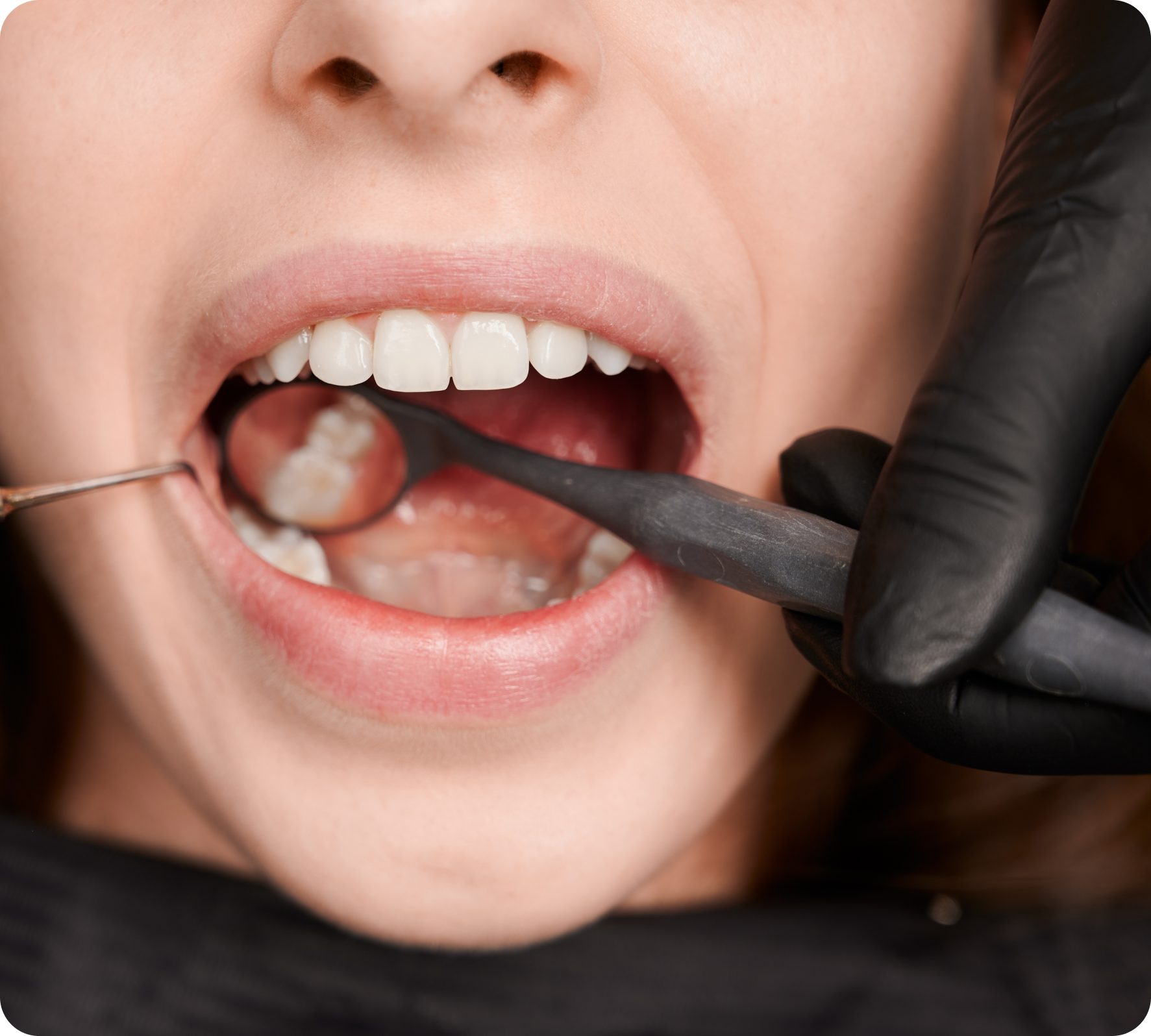
Gum recession often develops due to brushing trauma, plaque-related inflammation, or naturally thin gum tissue. Tooth position, orthodontic movement, and frenum tension can also contribute. Understanding these factors helps address the cause, not just the visible symptoms, and supports long-term gum stability.

Brushing Trauma and Technique Problems
- Excessive pressure or improper brushing technique is a common cause of recession and can often be corrected with guided technique adjustments.

Gum Inflammation and Plaque Retention Patterns
- Persistent plaque buildup can trigger inflammation that weakens gum attachment over time. More prevention context is available on our preventive dental services in Burnaby page.

Anatomy and Movement: Thin Tissue, Tooth Position, Orthodontics, Frenum Tension
- Thin gum tissue, tooth positioning, orthodontic movement, or frenum tension can increase the risk of recession and influence long-term tissue stability.
What Happens at the Gum Grafting Consultation in Burnaby?
The appointment includes detailed measurements, evaluation of recession and tissue thickness, and a review of contributing factors to determine whether grafting is appropriate and how it should be planned.


Measurements We Take: Recession Depth, Tissue Width, and Bleeding Points
We measure recession depth, tissue width, and bleeding points to understand stability, identify risk areas, and establish a clear baseline before planning treatment.

Checking Gum Disease vs Isolated Recession (Different Treatment Paths)
We assess whether recession is linked to gum disease or localized factors. For background on infection-related care, you can review our scaling & root planing in Burnaby page.

Treatment Planning: One Tooth vs Multiple Teeth, Sequencing With Other Care
Treatment planning considers whether grafting involves one tooth or several, and how it should be sequenced alongside other necessary dental or periodontal care.
Planning Your Gum Grafting Appointment
If you’re unsure whether gum grafting is appropriate, an appointment allows time to review measurements, discuss findings, and understand available options. The focus is on clear information and clinical guidance, without pressure or commitment.
The Procedure Step-by-Step
Gum grafting is performed using local anesthesia to keep the area comfortable, with patients usually feeling pressure rather than pain. Procedure length depends on how many teeth are treated, and patients from across Burnaby, including Brentwood and Metrotown, are guided through healing with a focus on long-term tissue stability.
Numbing, Comfort Options, and What “Pressure Not Pain” Means
Local anesthesia is used to keep the area comfortable during gum grafting. Most patients feel pressure or movement rather than pain while the procedure is being performed.


Donor Site vs Alternative Tissue Sources: What Patients Should Know
Depending on the case, graft tissue may be taken from the roof of the mouth or selected from an alternative tissue source. The choice depends on the amount of tissue needed, the treatment goals, and overall clinical findings.
Sutures, Protective Dressings, and Why “Stability” Is the Key to Healing
Once the graft is placed, sutures are used to keep it stable while healing begins. In some cases, a protective dressing may also be used to help reduce irritation and support early healing.


Recovery and Aftercare
Healing progresses in stages, starting with protection during the first 48 hours, followed by gradual tissue integration. Clear aftercare guidance helps reduce disruption and supports stable healing over time.
First 48 Hours: Eating, Talking, and Activity
During the first 48 hours, soft foods, limited talking, and reduced activity help protect the graft and minimize movement or irritation.
Brushing and Flossing Rules Around the Graft Site
Brushing and flossing are adjusted around the graft site until cleared, with technique guidance outlined on our dental hygiene in Burnaby page.
Healing Milestones: When Sensitivity Improves and Tissue “Matures”
Sensitivity typically eases as swelling resolves, and grafted tissue matures over weeks; follow-up visits are used to confirm stability and healing progress.
Results You Can Expect
Gum grafting outcomes vary based on the starting condition. In some cases, partial root coverage and cosmetic improvement are realistic goals; in others, the primary benefit is increased tissue thickness and stability. Increased tissue thickness may improve resistance to future recession, depending on contributing risk factors.
Factors such as smoking, inconsistent plaque control, uncontrolled medical conditions, and ongoing brushing trauma can reduce healing quality and long-term success.
At Burnaby Dentist & Orthodontist, results are evaluated based on healing response and tissue stability over time. Follow-up visits help confirm integration, monitor risk factors, and adjust care to support the best possible long-term outcome.

Safety, Risks, and Common Myths About Gum Grafting
Concerns about pain, safety, and outcomes are common. Gum grafting is a well-established periodontal procedure with defined indications and risks. Understanding what is typical, what varies by case, and what grafting does not promise helps patients make informed decisions without unnecessary worry.

“Is It Painful?” What Patients Usually Feel
Most patients report pressure rather than pain during grafting due to local anesthesia. Mild soreness can occur afterward, often differing between donor and recipient sites, and typically improves as healing progresses.

Normal vs Not Normal: Bleeding, Swelling, and When to Call
Some swelling or light bleeding is expected early on. Persistent bleeding, increasing pain, or signs of infection are not typical and should be reviewed promptly during a follow-up appointment.

Myth vs Reality: Grafting Doesn’t Replace Daily Care, It Supports It
Gum grafting supports tissue stability but does not replace daily plaque control. Ongoing home care and regular monitoring remain essential for long-term results.
Alternatives and Adjuncts
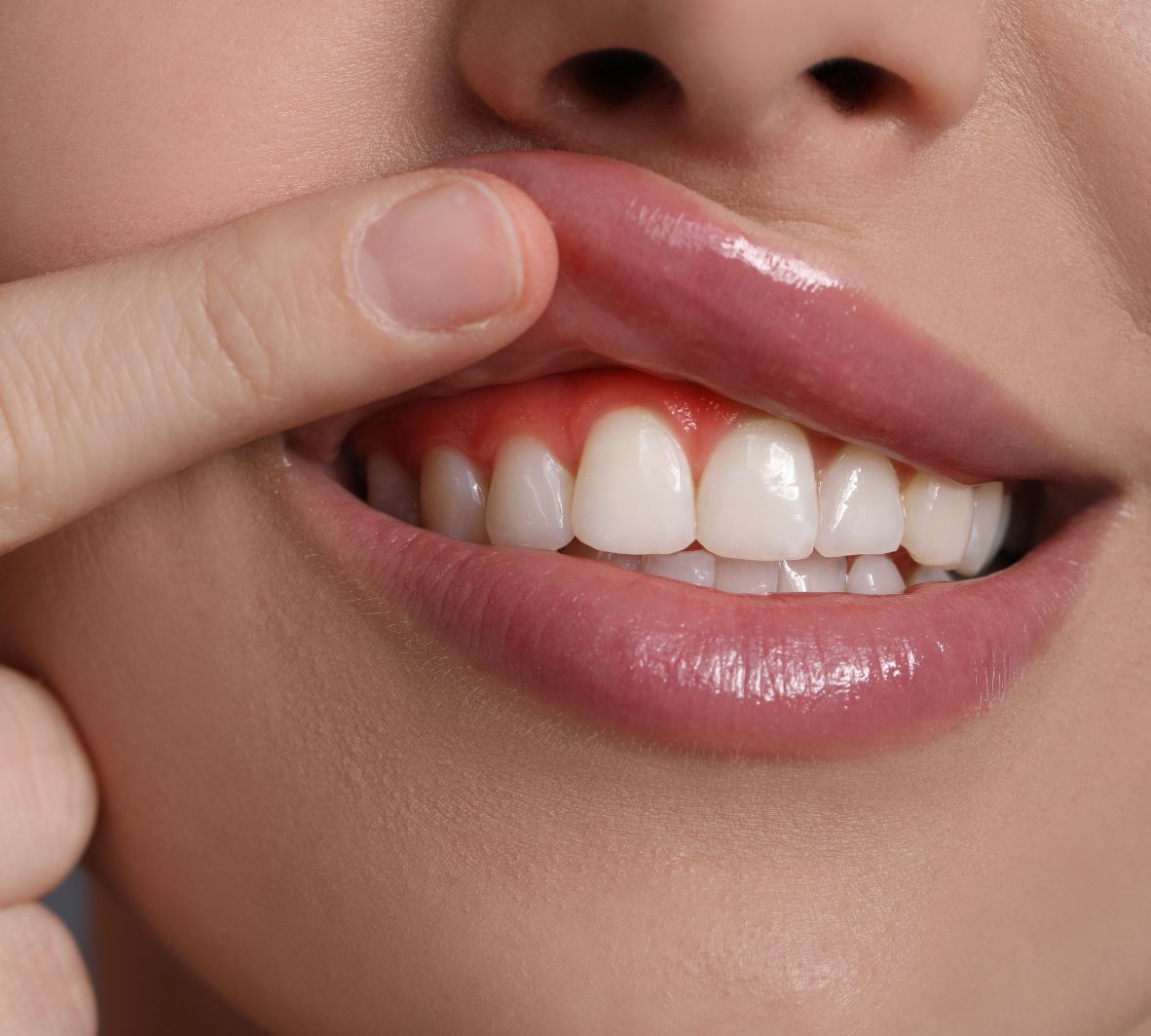
In some situations, gum grafting can be delayed or combined with other measures, such as improving plaque control, adjusting brushing technique, or monitoring tissue changes over time. When surgery is not immediately required, these approaches are often managed within broader family dental services in Burnaby, based on individual findings and risk factors.
If the Main Problem Is Sensitivity: Conservative Options That May Help
When sensitivity is the primary concern, non-surgical options may be considered first. These can include desensitizing agents, targeted hygiene adjustments, and monitoring, provided tissue stability is adequate, and recession is not progressing.
If the Main Driver Is Brushing Trauma: How Technique Changes Protect Results
Brushing technique is a common contributor to recession. Adjusting pressure, brush type, and angle can help limit further tissue damage and support existing gum stability before considering surgical options.
When Grafting Is the Strongest Option: Progressive Recession or Low Attached Tissue
At Burnaby Dentist & Orthodontist, gum grafting may be recommended when recession continues despite conservative measures or when attached tissue is insufficient to support long-term stability based on clinical measurements.
CDCP
Important Information for CDCP Patients
Treatment under the Canadian Dental Care Plan is not fully covered. A co-payment will apply.

Cost, Insurance, and CDCP

The cost of gum grafting varies depending on the number of teeth involved, the grafting technique selected, and overall case complexity. These factors affect procedure time and planning, so estimates are reviewed after clinical measurements are completed.
CDCP
Pacific Blue Cross
Sun Life
Manulife
Green Shield
Canada Life
Insurance coverage depends on your individual plan. Predetermination requirements, documentation, and frequency limits can influence what is covered and when. Reviewing these details in advance helps reduce unexpected costs.
CDCP coverage for gum grafting varies by eligibility and procedure rules. For general program details and what patients should confirm before scheduling, you can review CDCP information for patients.
Why Choose Our Clinic for Gum Grafting?
We focus on clear diagnosis, careful surgical planning, and structured follow-up to support healing and long-term gum stability.
Clear Diagnosis: Measurements, Risk Factors, and a Written Plan
At Burnaby Dentist & Orthodontist, each case begins with detailed measurements of recession depth, tissue width, and contributing risk factors. These findings are assessed as part of comprehensive dental exams & consultations, then documented in a written plan so treatment options, sequencing, and expectations are clearly defined before any surgical decision.

Comfort-First Surgery and Aftercare Guidance You Can Follow
Surgical care is planned with comfort and predictability in mind, from local anesthesia during the procedure to clear aftercare instructions afterward. Patients receive practical guidance on eating, cleaning, and activity limits to help protect the graft during early healing.

Long-Term Support: Periodontal Maintenance to Protect Your Graft Results
After healing, ongoing monitoring and maintenance help protect graft stability and manage inflammation. Structured follow-up supports long-term monitoring and management of contributing risk factors.

FAQs
Is gum grafting always necessary for recession?

No. Gum grafting is recommended only when recession is progressing, tissue is unstable, or roots need protection. Some cases can be managed with monitoring and technique changes instead.
Does gum grafting hurt?

The procedure is performed with local anesthesia, so patients usually feel pressure rather than pain. Mild soreness afterward is common and typically improves as healing progresses.
How long does it take to heal after gum grafting?

Initial healing occurs over the first one to two weeks. Tissue continues to mature over several weeks, with follow-up visits used to monitor stability and integration.
Will gum grafting completely cover exposed roots?

Results vary by case. Some patients achieve partial or significant root coverage, while others benefit mainly from thicker, more stable tissue rather than full coverage.
Can gum recession come back after grafting?

Grafting is intended to improve tissue stability, but recurrence is possible if contributing factors, such as brushing trauma or plaque buildup, are not addressed. Ongoing care and monitoring are important.
Is gum grafting covered by insurance or CDCP?

Coverage varies by your insurance plan or CDCP eligibility. Checking your benefits in advance can clarify what’s covered before your appointment.

Contact Us Today!
Contact Burnaby Dentist and Orthodontist About Gum Grafting in Burnaby
- Straighten crooked and misaligned teeth
- Conceal chips, cracks, and discoloured teeth
- Whiten and brighten your smile
- Take years off the look of your teeth
- Boost your self-esteem!
Monday
9 AM – 5 PM
Tuesday
8 AM – 5 PM
Wednesday
9 AM – 6 PM
Thursday
9 AM – 5 PM
Friday
9 AM – 5 PM
Saturday
9 AM – 4 PM