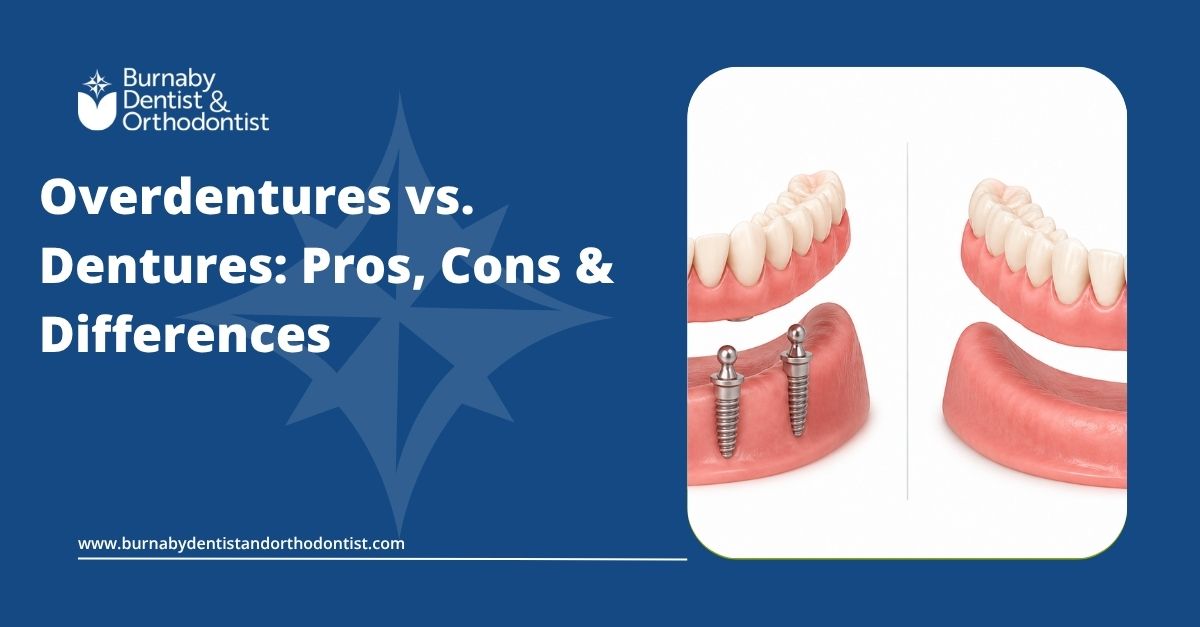
Losing teeth affects more than just appearance. It can change how you eat, speak, and feel day to day. Choosing the right replacement option is an important step toward regaining both comfort and confidence.
Dentures remain one of the most common solutions. Traditional dentures have been used for decades, while overdentures, supported by natural teeth or implants, offer a more modern approach with improved stability and retention.
Understanding how these options differ can help you choose the approach that best fits your lifestyle, comfort, and oral health needs.
At a Glance:
Traditional dentures are removable appliances that rest on the gums and offer a more affordable, non-surgical way to replace missing teeth. Overdentures are supported by implants or natural tooth roots, providing improved retention and support while helping preserve jawbone structure. While overdentures usually involve higher costs and longer treatment timelines, many patients prefer them for their improved fit and function. The right option depends on your oral health, lifestyle, and treatment goals.
What are traditional dentures?
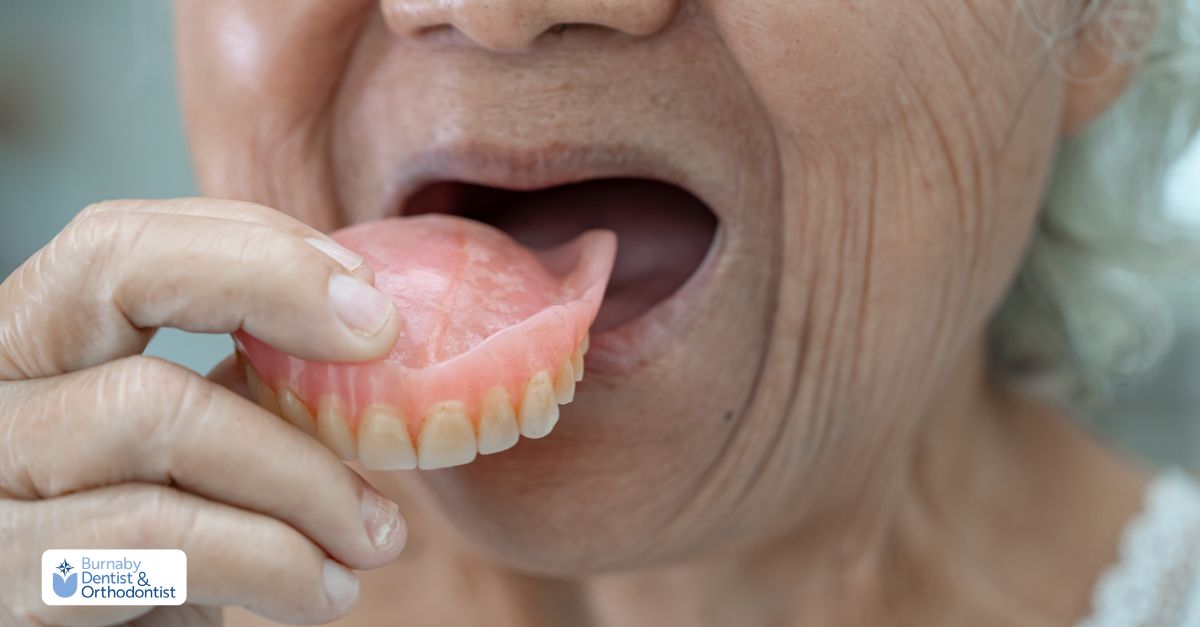
Traditional dentures are fully removable prosthetic appliances designed to replace missing teeth. They restore the look of a natural smile while also improving the ability to chew and speak more effectively.
These dentures are typically made from acrylic or resin materials, and in some cases reinforced with metal for added strength and durability. Each set is custom-crafted to match the contours of the patient’s mouth, creating a snug fit.
Their stability comes mainly from suction against the gums, though many people also use denture adhesives for extra grip and confidence.
While they are a time-tested solution for tooth replacement, traditional dentures do require proper care and regular adjustments. Over time, the gums and jawbone naturally change shape, which can affect fit and comfort. Regular dental checkups help ensure dentures continue to fit properly and stay comfortable.
How Traditional Dentures Are Made
Traditional dentures are created through a multi-step process designed to achieve a comfortable fit and natural appearance.
The process usually begins with impressions of the gums and any remaining teeth. These impressions help create custom models of the mouth so the dentures can be tailored to the patient’s bite and facial structure.
A trial version is often tested first to check fit, appearance, and comfort before the final denture is completed. Once ready, the dentures are adjusted as needed to improve comfort, stability, and function.
Because the shape of the gums and jawbone can change over time, periodic adjustments may still be needed to maintain a proper fit.
Common Uses
Traditional dentures can be designed to meet different needs depending on how many natural teeth a person still has. The two main types are:
Full Dentures
These replace an entire arch of missing teeth, either all of the upper teeth, all of the lower teeth, or both.
Full dentures are often recommended when there are no healthy teeth left or when remaining teeth need to be removed due to damage or disease. They restore the full smile and provide the basic function needed for chewing and speaking.
Partial Dentures
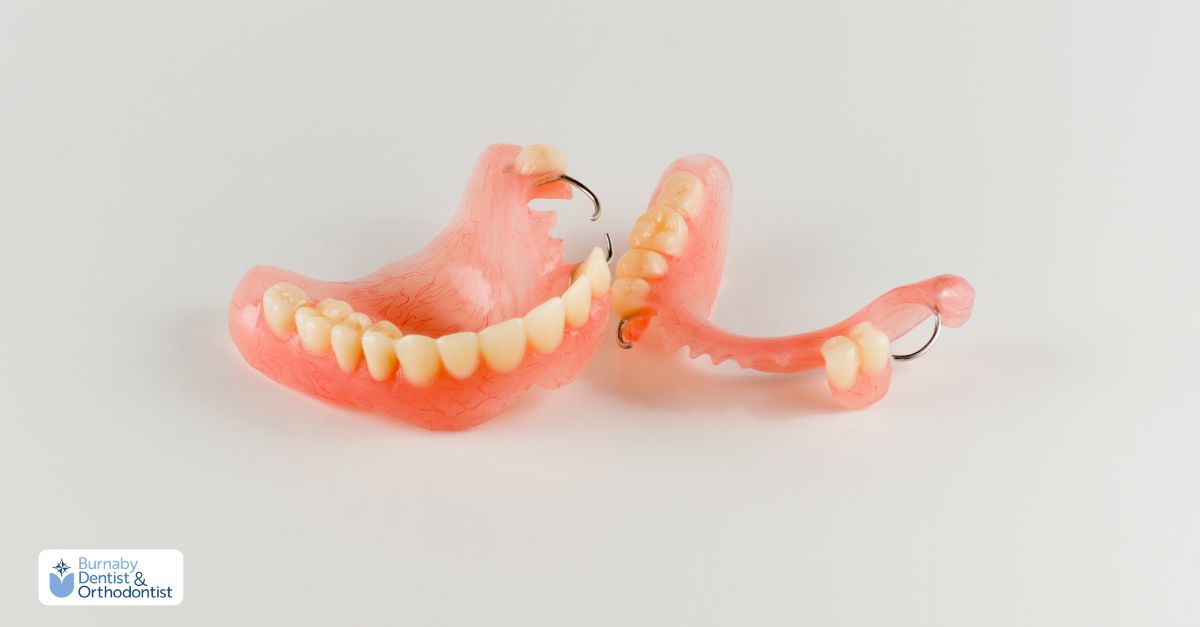
When some natural teeth are still healthy, partial dentures are used to fill in the gaps. They are designed to blend with the remaining teeth, using a gum-colored base and replacement teeth that match in shape and shade.
Partial dentures not only improve appearance but also prevent remaining natural teeth from shifting out of place.
Pros and Cons of Traditional Dentures
Traditional dentures remain a widely used tooth replacement option because they are accessible, non-surgical, and customizable. However, like any dental treatment, they also come with limitations related to comfort, fit, and long-term maintenance.
Benefits of Traditional Dentures
- Cost-Effective Solution: Traditional dentures are generally one of the most affordable ways to replace multiple missing teeth, making them accessible for many patients.
- Non-Invasive Treatment: Unlike dental implants, dentures do not require surgery. This makes them a suitable option for patients who prefer to avoid surgical procedures or may not be candidates for implant treatment.
- Quick Turnaround: Compared to implant-based alternatives, the process of making and fitting dentures is relatively fast, allowing patients to restore function and appearance sooner.
- Custom-Made Fit: Dentures are designed to match the contours of your mouth and the appearance of natural teeth, helping restore both function and aesthetics.
- Removable for Cleaning: Dentures can be removed for daily cleaning, making oral hygiene more manageable.
Limitations of Traditional Dentures
- Fit and Comfort Issues: Because dentures rest directly on the gums, they may sometimes feel loose, shift during use, or create sore spots. Some patients rely on adhesives for added stability.
- Bone and Gum Changes Over Time: Without implant support, the jawbone naturally changes shape after tooth loss. This can affect denture fit and may require adjustments or replacement over time.
- Speech and Chewing Adjustments: Speaking and eating with dentures often involves an adjustment period. Some patients notice difficulty with certain foods or speech sounds initially.
- Daily Maintenance Requirements: Dentures require consistent cleaning and care to help reduce the risk of irritation, odor, or oral health concerns.
- Durability Limitations: Although dentures can last for years with proper care, they may eventually require repairs, relining, or replacement due to wear and changes in the mouth.
What are overdentures?
Overdentures are removable dentures that are supported by either dental implants or a few remaining natural tooth roots. Unlike traditional dentures, which simply rest on the gums, overdentures are anchored to these structures for greater stability, comfort, and retention.
This secure support reduces slippage, makes eating and speaking easier, and helps preserve the underlying bone tissue that often deteriorates after tooth loss.
There are two main types of overdentures:
Implant-Supported Overdentures
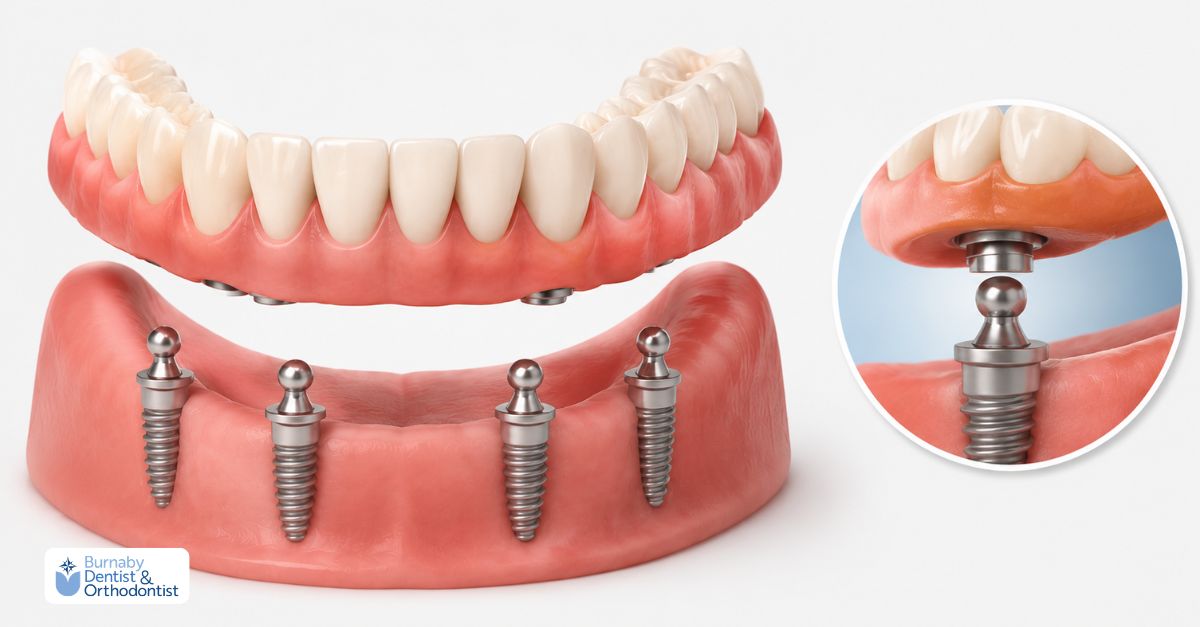
These are attached to dental implants that are surgically placed into the jawbone. The implants act as artificial tooth roots, creating a strong and stable foundation.
Implant-supported overdentures generally provide a more secure fit and improved stability.
Tooth-Supported Overdentures
If a few healthy natural teeth remain, overdentures can be designed to fit over them. The natural roots are usually treated and fitted with small attachments that help hold the denture in place. This not only stabilizes the overdenture but also helps preserve bone structure in the jaw.
How Overdentures Differ from Traditional Dentures in Attachment
The biggest difference between traditional dentures and overdentures is how they are held in place.
Traditional dentures rest directly on the gums. Their stability comes from natural suction, and in many cases, patients use denture adhesives for extra grip. Because they sit loosely on the gums, traditional dentures can sometimes shift, especially when eating or speaking.
Instead of relying on suction alone, overdentures are anchored to either dental implants or specially prepared natural tooth roots. They “snap” onto these attachments, which hold them securely in place. This design reduces movement, improves comfort, and makes daily activities like chewing, speaking, and smiling feel more natural.
This stronger attachment system is one of the main reasons many patients find overdentures to be more comfortable and reliable than traditional dentures.
Pros and Cons of Overdentures
Overdentures are often chosen for their improved stability and support compared to traditional dentures. However, they also involve additional treatment steps, costs, and maintenance considerations that may not be suitable for every patient.
Benefits of Overdentures
- Natural Appearance and Comfort: Overdentures are designed to fit more securely than traditional dentures, helping improve comfort and reduce movement during daily activities.
- Better Chewing Function: Anchored support provides stronger biting stability, making it easier for many patients to eat a wider variety of foods comfortably.
- Support for Jawbone and Facial Structure: Implant-supported overdentures help stimulate the jawbone, which may reduce bone loss and help maintain facial structure over time.
- Improved Stability and Confidence: Because overdentures attach to implants or retained tooth roots, they generally move less while eating, speaking, or smiling.
- Removable for Cleaning: Overdentures can still be removed for daily cleaning, helping support oral hygiene and maintenance.
- Long-Term Durability: With proper care and regular dental follow-up, overdentures can provide long-term function and stability.
- More Affordable Than Full Implant Restoration: While overdentures typically cost more than traditional dentures, they are often less expensive than replacing every tooth with an individual implant.
Limitations of Overdentures
- Higher Initial Cost: Implant placement and attachment systems increase the overall treatment cost compared to conventional dentures.
- Longer Treatment Timeline: Implant-supported overdentures usually require several stages of treatment, including healing time after implant placement.
- Surgical Requirements: Patients need healthy gums and adequate jawbone support for implant placement. Some individuals may require additional procedures such as bone grafting.
- Daily Cleaning and Maintenance: Overdentures require consistent cleaning of both the denture and attachment components to help maintain oral health.
- Risk of Irritation or Infection: Without proper hygiene and maintenance, irritation around the gums or implant areas may occur.
- Not Suitable for Every Patient: Certain medical conditions, severe bone loss, or other oral health concerns may limit candidacy for implant-supported treatment.
Key Differences Between Overdentures and Traditional Dentures
Both overdentures and traditional dentures serve the same purpose, replacing missing teeth, but the way they fit, feel, and function can be very different. Below are the main factors patients consider when choosing between the two.
Overdentures vs. Traditional Dentures at a Glance | ||
|---|---|---|
| Feature | Traditional Dentures | Overdentures |
| Fit & Comfort | Rest on Gums, May Need Adhesives | Snap onto Implants or Tooth Roots, More Secure |
| Stability | Can Slip When Eating or Talking | Firm, Stable, Minimal Slipping |
| Appearance | Improve Smile, But May Not Prevent “Sunken” Look | Preserve Bone, Support Facial Structure |
| Durability | May Require Periodic Adjustments or Replacement over Time | May Provide Longer-Term Stability and Help Support Jaw Structure |
| Cost | Lower Upfront Cost | Higher Cost, But Longer-Term Investment |
| Maintenance | Daily Removal, Cleaning, Adhesives May Be Needed | Removable for Cleaning, Must Maintain Implants |
| Best For | Patients Avoiding Surgery, with Bone Loss, or Budget Limits | Patients with Healthy Gums and Adequate Bone Support Seeking Improved Stability |
What to Expect from Each Treatment
The process for receiving dentures varies depending on whether you choose traditional dentures or overdentures. While both treatments aim to restore your smile and oral function, the steps and recovery involved are quite different.
For traditional dentures, the process begins with impressions of your gums and any remaining teeth. These molds are used to craft dentures that are tailored to the unique shape of your mouth.
Once the dentures are ready, they are placed and adjusted to ensure comfort and a proper bite. Because the shape of the gums and jawbone can change over time, it is common for patients to return for follow-up visits to refine the fit. Some patients may also use adhesives to give their dentures extra stability.
Overdentures involve additional steps because they are anchored to either implants or natural tooth roots. For implant-supported overdentures, small titanium posts are surgically placed into the jawbone to serve as artificial roots.
If healthy natural tooth roots are available, they may be reshaped and fitted with attachments to provide support. In the case of implants, there is usually a healing period of several months to allow the bone to bond with the implants in a process called osseointegration.
Once healing is complete, impressions are taken and the overdenture is crafted to “snap” securely into place. A final fitting ensures that the denture feels stable and comfortable.
Recovery and Adjustment
No matter which option is chosen, patients should expect an adjustment period. It may take several weeks to get used to speaking, eating, and smiling with dentures, and mild soreness or irritation is not uncommon at first.
Regular dental check-ups help ensure that the dentures remain well-fitted and that gum and bone health are maintained. Over time, most patients adapt well and gain confidence in their restored smile, enjoying improved comfort and function in their daily lives.
Conclusion
Both traditional dentures and overdentures can restore function and appearance after tooth loss, but the right option depends on your oral health, lifestyle, and treatment goals.
Traditional dentures are often chosen for their affordability and non-surgical approach, while overdentures may provide greater stability and support for patients who are candidates for implants or retained tooth roots.
A dental consultation is the best way to determine which solution is most appropriate for your needs. Your dentist can evaluate your oral health, explain available options, and recommend a personalized treatment plan.
If you are considering dentures or overdentures, schedule a consultation today. Burnaby Dentist & Orthodontist can help you understand your options and next steps.
What is the difference between overdentures and regular dentures?

Regular dentures rest on the gums, while overdentures are anchored to dental implants or natural tooth roots for added stability.
Are overdentures better than dentures?
Overdentures may provide improved stability and support compared to traditional dentures, depending on the patient’s oral health and treatment plan.
Do overdentures look more natural?
Yes, overdentures may look and feel more natural for some patients because implant or root support can help maintain jawbone structure and facial support over time.
Who is a good candidate for overdentures?
Patients with healthy gums and adequate jawbone who want more stability and are open to a surgical procedure are ideal candidates.
How do you clean and maintain overdentures?
Remove and brush them daily, clean the attachments carefully, soak them overnight if recommended, and visit your dentist for regular check-ups.