A brighter smile is a common cosmetic goal, but many people worry about damaging their enamel or causing sensitivity in the process.
If you have ever wondered whether teeth whitening is actually safe, you are not alone. Conflicting advice online, DIY whitening trends, and past bad experiences can make it difficult to know what is considered safe and evidence-based and what may increase the risk of sensitivity or enamel irritation.
The good news is that teeth whitening does not have to damage enamel when done properly. This guide explains how whitening works, what can increase the risk of sensitivity or enamel irritation, and how to whiten teeth safely in 2026 using evidence-based, enamel-conscious approaches.
At a Glance:
• Teeth whitening does not typically damage enamel when used correctly.
• Most problems come from overuse, DIY acids, or whitening without assessing oral health first.
• Sensitivity during whitening is usually temporary and does not necessarily mean enamel damage.
• Professional and dentist-supervised whitening methods offer more controlled, enamel-safe approaches.
• Whitening may not be appropriate if you have cavities, gum disease, severe sensitivity, or weakened enamel.
What can damage enamel during whitening?
Teeth whitening is often associated with enamel damage, but current understanding suggests that any potential harm is more closely related to how whitening products are used, rather than the whitening process itself.
Enamel may become more vulnerable under certain conditions, particularly when exposure to whitening agents or other substances is not well controlled or when teeth are not in a healthy starting condition.
Factors that may contribute to enamel stress or irritation include:
Overuse of Whitening Products
Using whitening treatments more frequently or for longer than recommended can increase cumulative exposure. This may raise the likelihood of temporary sensitivity or surface changes, especially without professional guidance.
High Acidity
Some DIY approaches, such as using lemon juice or vinegar-based mixtures, introduce acids that can contribute to enamel erosion. Unlike peroxide-based whitening, acids can soften and demineralize enamel over time.
Prolonged Contact Time
Leaving whitening agents on the teeth longer than instructed may increase penetration beyond what is intended, which can contribute to irritation or sensitivity in some individuals.
Poor Oral Health Prior to Whitening
Conditions such as untreated cavities, gum inflammation, or existing enamel wear may increase the risk of discomfort during whitening and can affect how evenly results appear.
In many cases, whitening becomes a concern when it is done without proper assessment or when underlying oral health issues are not addressed first. A professional dental exam can help determine whether whitening is appropriate and what approach may be safest for your teeth and enamel health.

Begin Your Smile Journey With Dr. Sasan Hadianfar
How Teeth Whitening Actually Works
Understanding the mechanism of whitening can help clarify why it is generally considered safe when used appropriately.
Whitening products typically use peroxide-based ingredients such as hydrogen peroxide or carbamide peroxide. These ingredients penetrate the enamel and break apart stain molecules inside the tooth structure.
Importantly, whitening does not work by scraping away or dissolving enamel when products are used correctly. Instead, it changes how stains reflect light, helping teeth appear brighter.
Some people experience temporary sensitivity during whitening, but this is usually related to the tooth’s internal nerve response rather than permanent enamel damage.
Common Unsafe Whitening Practices
A number of popular whitening trends may appear appealing but can introduce unnecessary risk, especially when used repeatedly or without professional input. Some of the more commonly discussed examples include:
Excessive Use of Whitening Strips
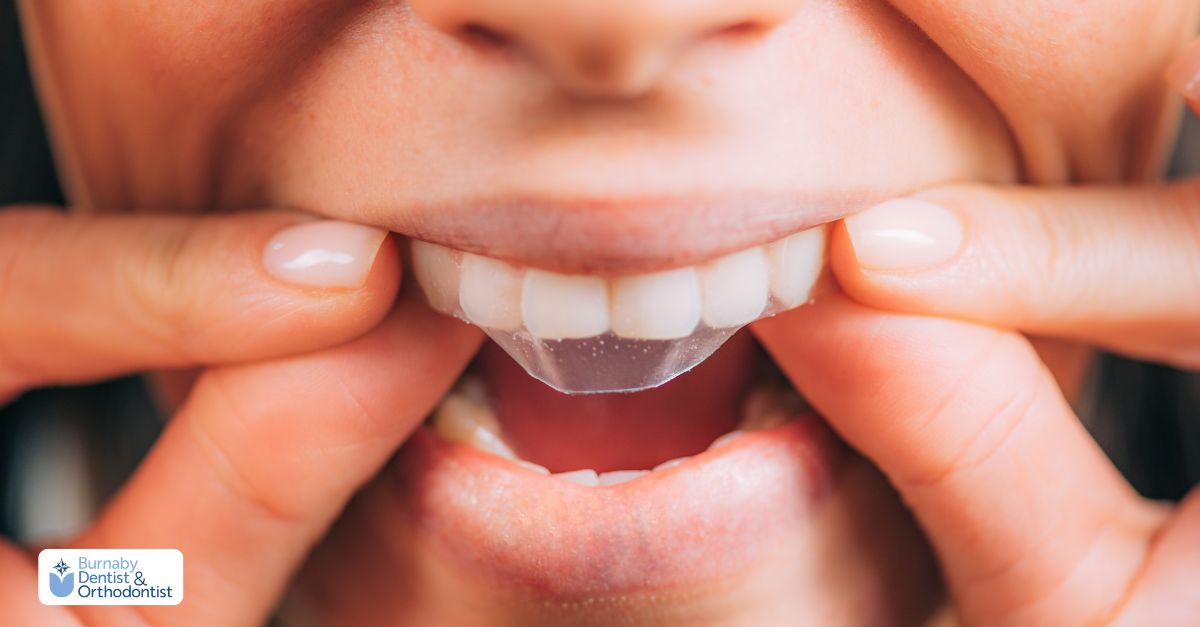
Using whitening strips more often or for longer than directed may increase the likelihood of tooth sensitivity or uneven results. Because these products are designed for short, controlled use, extending treatment timelines can increase overall exposure to whitening agents beyond what is typically recommended.
DIY Whitening with Household Ingredients
Substances like lemon juice, baking soda, or charcoal are often promoted online as natural alternatives. However, these approaches are not standardized or clinically controlled.
Acidic ingredients may contribute to enamel softening over time, while abrasive materials can gradually affect the tooth surface, especially with repeated use.
Non-Regulated Online Products
Whitening products from unverified sources may contain unclear ingredient concentrations or inconsistent formulations. Without proper labeling or regulatory oversight, it can be difficult to predict how these products may interact with teeth and gums.
Whitening Without a Dental Exam
Starting whitening without first assessing oral health may increase the chance of discomfort if underlying issues are present. Conditions such as cavities, gum inflammation, or existing sensitivity can influence how teeth respond to whitening. In some cases, addressing these concerns first may help support a more comfortable whitening experience.
These approaches do not always result in immediate problems, but they can introduce more variability and uncertainty compared to controlled, evidence-based methods.
Safe Teeth Whitening Options (Evidence-Based Hierarchy)
Whitening is generally safest when approached in a structured and supervised way. The following hierarchy reflects commonly recommended options, with an emphasis on enamel preservation and controlled use.
1. Professional In-Office Whitening
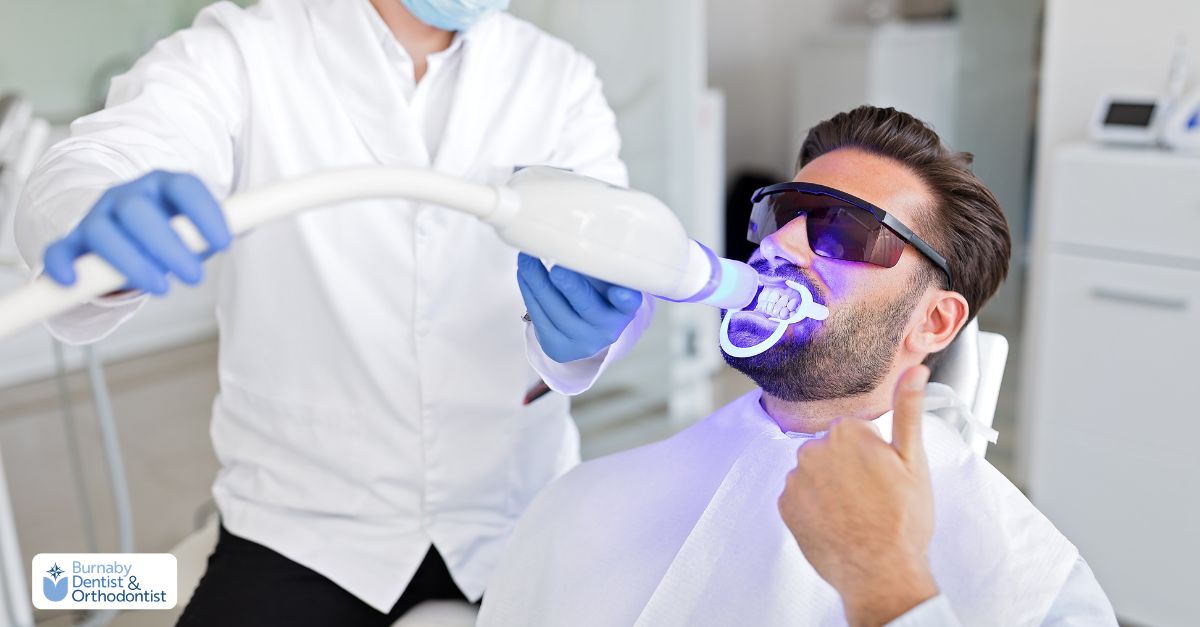
Performed under dental supervision, this method uses carefully controlled concentrations of whitening agents, typically hydrogen peroxide–based gels designed for clinical use.
The process usually begins with a brief assessment to confirm that whitening is appropriate. It may then involve:
- Preparation of the teeth and gums: Teeth are cleaned and protective barriers are placed to isolate the gums and surrounding soft tissues.
- Application of the whitening agent: A professional-strength peroxide gel is applied evenly to the tooth surfaces. In some cases, a light or activation system may be used depending on the protocol.
- Controlled treatment cycles and monitoring: The gel is applied in timed intervals, with adjustments made based on individual response and comfort.
Because the process is supervised, it allows for a more tailored approach and adjustments based on comfort and individual response throughout treatment.
2. Dentist-Supervised Take-Home Kits
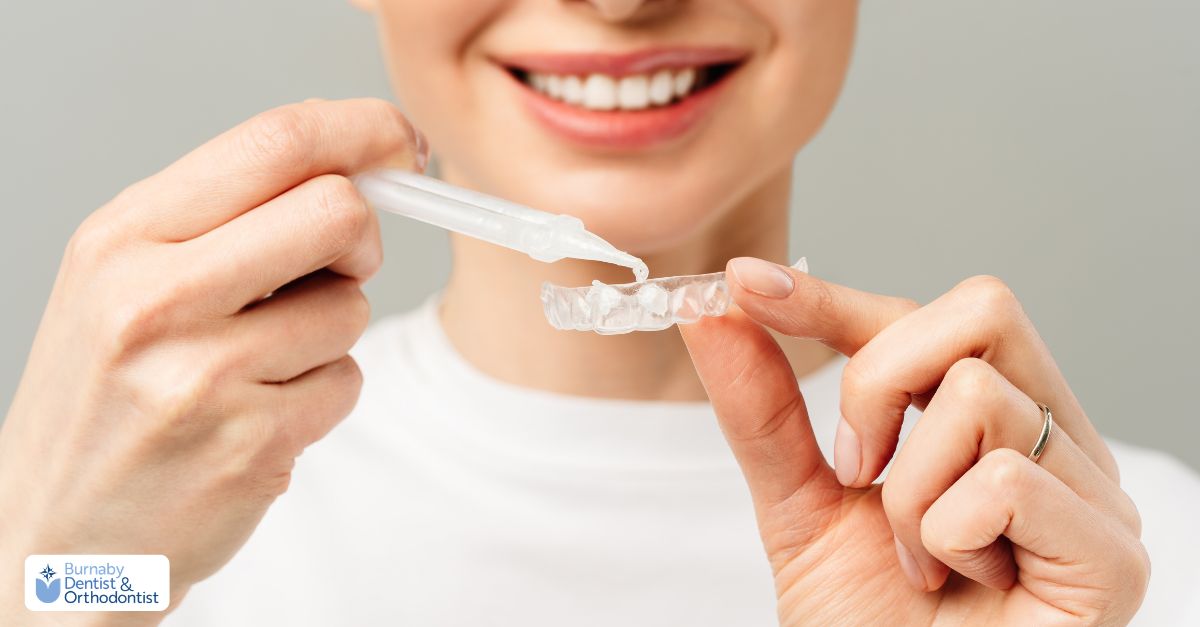
These kits are customized based on your teeth, oral health, and whitening goals.
They typically involve:
- Custom-fitted trays for more even application
- Lower-concentration whitening agents compared to in-office treatments
- Gradual use over several days or weeks
This method allows for a slower, more controlled whitening process. It may be a suitable option for individuals who prefer flexibility while still following a structured plan provided by a dental professional.
3. Whitening Toothpaste (Maintenance Only)
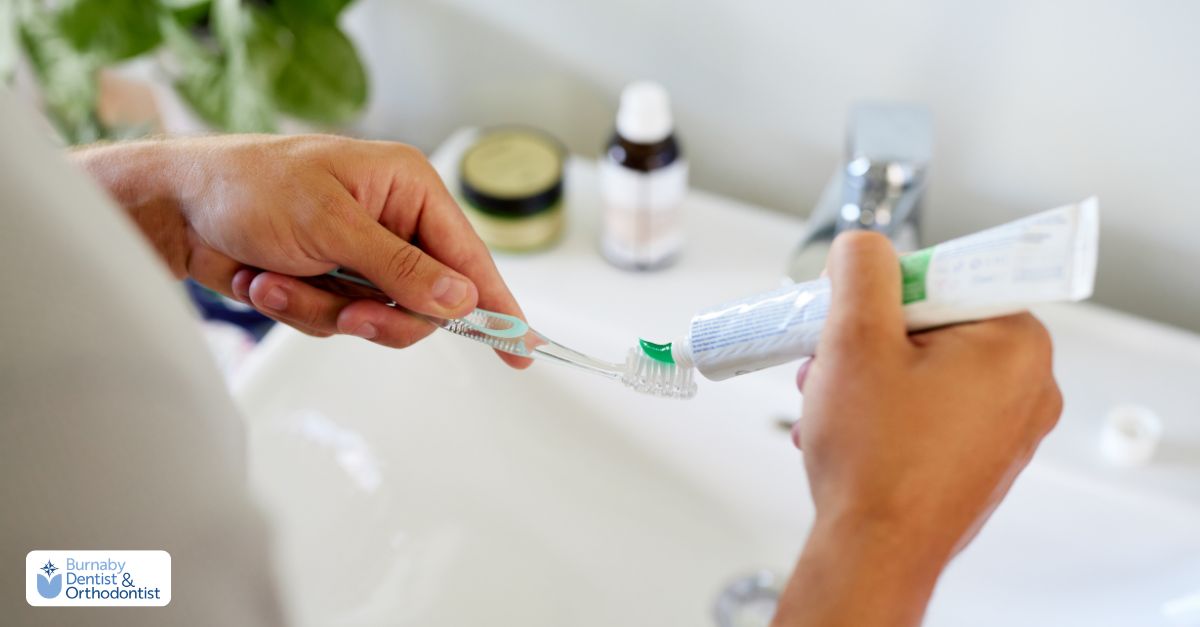
Whitening toothpaste can help remove surface stains, but it does not change the internal colour of teeth.
It is generally used for:
- Maintaining results after professional or supervised whitening
- Supporting daily oral hygiene routines
While helpful for upkeep, it is not considered a primary whitening method for deeper discoloration.
When Teeth Whitening May Not Be Recommended
There are situations where teeth whitening may need to be postponed or avoided. Whitening is generally most appropriate when teeth and gums are in a stable, healthy condition.
These situations can include:
Active Cavities and Tooth Decay
Whitening agents may reach areas of decay more easily, which can increase the likelihood of discomfort or irritation. Addressing cavities first is typically recommended before considering cosmetic treatments.
Gum Recession or Inflamed Gums
Exposed root surfaces and irritated gums may respond more sensitively to whitening products. Improving gum health beforehand may help reduce potential discomfort during treatment.
Severe or Ongoing Tooth Sensitivity
Individuals who already experience sensitivity may notice a stronger response during whitening. In these cases, a modified approach or delaying treatment may be considered depending on individual tolerance.
Thin or Compromised Enamel
Teeth with worn or weakened enamel may respond differently to whitening agents. A more cautious evaluation can help determine whether whitening is appropriate or if alternative options should be considered.
Burnaby Dentist & Orthodontist’s Approach
At Burnaby Dentist & Orthodontist, whitening is approached with a focus on safety and personalization. Rather than using a one-size-fits-all method, the process is typically guided by each patient’s current dental condition and cosmetic goals. This approach typically begins with a detailed assessment, followed by a customized plan and ongoing care.
Comprehensive Assessment
Before recommending whitening, the team may carry out a thorough evaluation to understand your starting point. This can include:
- Assessing overall enamel condition
- Identifying potential sensitivity risks
- Reviewing existing restorations such as tooth fillings, crowns, or veneers
This step helps determine whether whitening is appropriate and what approach may be most suitable.
Customized Whitening Plan
If whitening is considered appropriate, a personalized plan is developed based on individual needs. This may involve:
- Selecting the most appropriate whitening method (in-office or take-home)
- Establishing a safe and realistic timeline
- Incorporating strategies that may help reduce sensitivity
The goal is to balance cosmetic improvement with enamel preservation and comfort.
Monitoring & Maintenance
Whitening does not end after the initial treatment. Ongoing care may include:
- Post-whitening follow-up to assess response
- Guidance on touch-up frequency based on individual results
- Recommendations for long-term enamel care and stain prevention
Supportive services like dental cleanings and hygiene and broader cosmetic dentistry services in Burnaby can also play a role in maintaining results over time.
Professional vs DIY Whitening (At-a-Glance)
The level of supervision, customization, and predictability can vary significantly between professional whitening and over-the-counter options.
Professional vs Over-the-Counter Teeth Whitening | ||
|---|---|---|
| Aspect | Professional / Dentist-Supervised | DIY / Over-the-Counter |
| Assessment Before Whitening | Oral Health Is Typically Evaluated First | No Formal Assessment Required |
| Product Strength & Control | Concentration And Timing Are Adjusted Based on Individual Needs | Standardized Strength, Less Personalized |
| Application Method | Custom Trays or In-Office Application | One-Size-Fits-All Strips Or Trays |
| Monitoring | Guidance and Follow-Up May Be Provided | Self-Directed Use |
| Predictability | More Controlled And Consistent Approach | Results May Vary More Widely |
| Sensitivity Management | Preventive Strategies May Be Included | Limited Built-In Support |
Conclusion
Whitening your teeth does not have to come at the expense of your enamel. When used appropriately, it is generally considered a controlled cosmetic process, with many risks linked more to misuse than the treatment itself.
Safe teeth whitening in 2026 is about making informed decisions, understanding your oral health, and choosing an approach that supports both appearance and enamel care.
Safe teeth whitening starts with understanding your oral health before choosing a treatment approach. A professional evaluation can help determine which whitening options may be safest and most appropriate for your individual needs.
Burnaby Dentist & Orthodontist provides professional teeth whitening, dentist-supervised take-home kits, and enamel-conscious whitening plans tailored to individual goals and sensitivity concerns.
Book a consultation to learn more about safe teeth whitening options in Burnaby.
Can you whiten teeth without sensitivity?

Some people may experience little to no sensitivity, while others may notice temporary sensitivity. A dentist can help adjust the method to reduce potential discomfort.
Are whitening strips bad for enamel?
Whitening strips are not inherently harmful when used as directed, but overuse or extended application may increase sensitivity or uneven results in some cases.
Is professional teeth whitening safer than at-home kits?
Professional whitening is performed under supervision, which allows for controlled application and customization based on oral health, making it a more structured option for many patients.
How often can you whiten your teeth safely?
Frequency can vary depending on the method and individual needs. A dental professional can recommend an appropriate schedule based on enamel health and sensitivity risk.
What are signs you should stop whitening?
Increased sensitivity, gum irritation, or discomfort may indicate that whitening should be paused and reassessed with a dental professional.
Can whitening toothpaste change tooth colour?
Whitening toothpaste mainly helps remove surface stains. It does not typically change the internal colour of teeth like peroxide-based whitening methods.