Choosing between composite and porcelain veneers involves more than cost alone; it also depends on durability, stain resistance, and how long you want the results to last. Many patients focus primarily on price, but understanding the differences between materials helps you make an informed decision.
At Burnaby Dentist & Orthodontist, we explain these distinctions clearly so you can choose the option that aligns with your goals and clinical needs.
At a Glance:
Composite veneers typically involve a lower upfront cost; they’re quicker to apply, and easier to repair, but they stain more easily and are less durable (typically last about 5 years).
Porcelain veneers cost more upfront but are designed to provide a natural, stain-resistant finish and may last 10–20 years with proper care. The right choice depends on your goals, budget, and how long you want results to last. A consultation allows discussion of which option may be appropriate based on your goals and clinical findings.
Why Choosing the Right Veneer Matters
When you decide to transform your smile, the choice between composite and porcelain veneers is bigger than it first appears. Dental veneers are restorative cosmetic treatments that can influence appearance, function, and long-term maintenance needs.
Composite veneers may sound appealing if you’re looking for something fast and affordable. Porcelain veneers are generally associated with greater durability compared to composite resin.
Think of it this way: you’re not just buying a look for today, you’re choosing how your smile will perform five, ten, even fifteen years from now. That’s why the differences in durability, maintenance, and aesthetics matter just as much as cost.
At Burnaby Dentist & Orthodontist, we guide patients through these trade-offs so they can make choices that match both their goals and their realities.

Begin Your Smile Journey With Dr. Sasan Hadianfar
What are composite veneers?
Composite veneers are crafted from a tooth-colored resin material, the same substance often used in dental bonding. Unlike porcelain, which is fabricated in a lab, composites are usually built directly on your teeth in a single visit. Your dentist sculpts and polishes the material chairside, meaning treatment is often completed in a single visit.
Procedure
The process is minimally invasive. Little to no enamel may be removed, and the resin is applied directly to the tooth surface, shaped to the desired contour, and hardened with a curing light. Once polished, the finish blends seamlessly with your natural teeth.
Strengths
Composite veneers are a good fit if you want speed, affordability, and flexibility. They can be repaired or adjusted easily if they chip, and the single-visit timeline makes them attractive for patients seeking a shorter treatment timeline.
Limitations
The trade-off comes in longevity and aesthetics. Composites are more prone to staining, especially if you’re a frequent coffee or red wine drinker. They’re also less durable, often lasting around 5 years, depending on oral hygiene, bite forces, and maintenance.1 Moreover, they don’t always achieve the same light-reflecting translucency that porcelain veneers provide.
What are porcelain veneers?
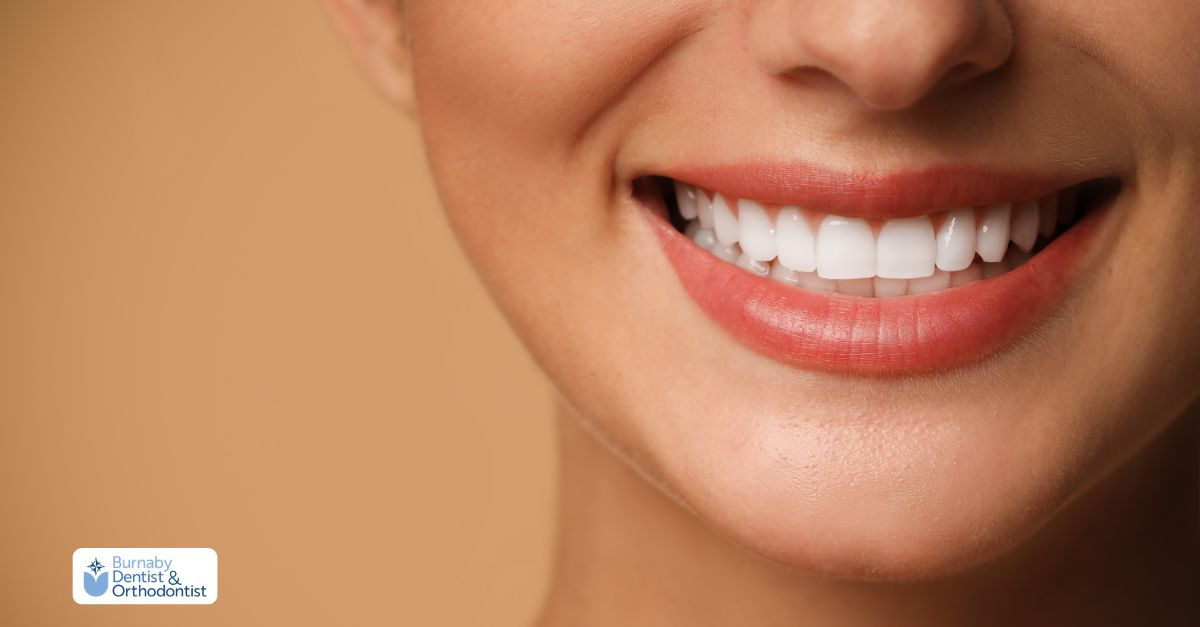
Porcelain veneers are thin, custom-made shells of ceramic designed to cover the front surface of your teeth.
Unlike composites, they aren’t applied chairside in one sitting. Instead, they’re fabricated in a dental lab using precise moulds or digital scans of your smile. The result is a highly tailored restoration that mimics the depth, shine, and translucency of natural enamel.
Procedure
Getting porcelain veneers is a multi-step process. First, a small amount of enamel is removed to create space for the veneers. Then, impressions or digital scans are taken and sent to a lab. While your permanent veneers are crafted, you may wear temporary ones. Once bonded, they change the appearance of your smile.
Strengths
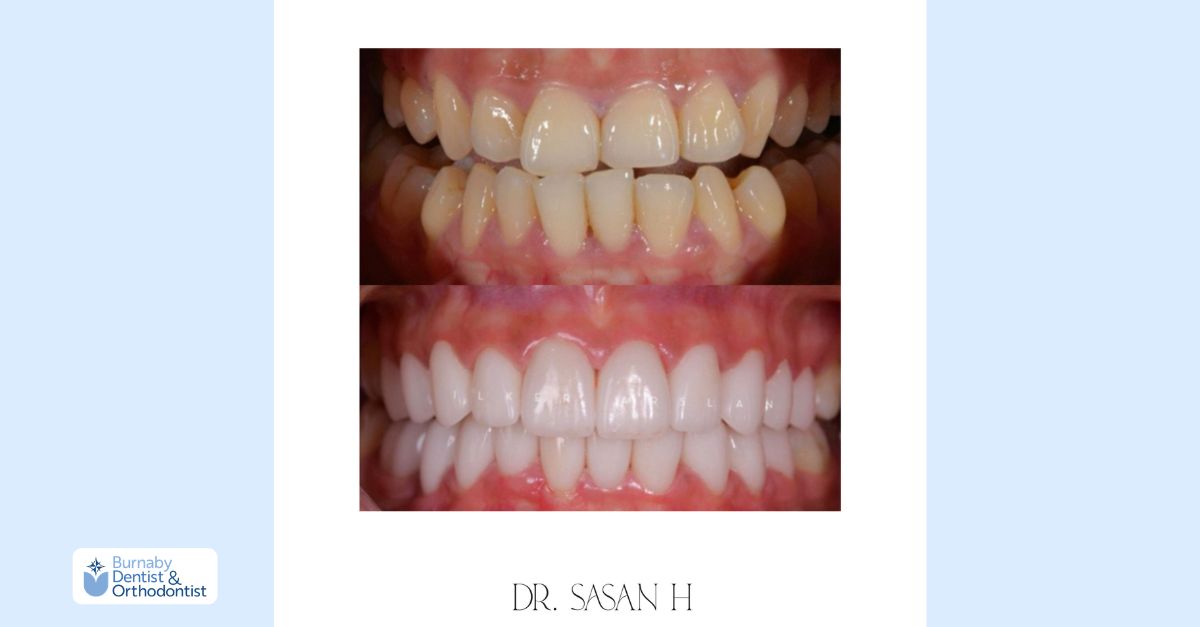
Porcelain is widely used in cosmetic dentistry due to its durability and aesthetic properties. These veneers resist staining far better than composite resin. With proper care, they can last 10–20 years. 2
They may address more significant discolouration, chips, gaps, or shape concerns.
Limitations
The main drawback is cost and time. Porcelain veneers require more upfront investment and typically involve at least two visits. Because enamel reduction is permanent, future restorations will be required if veneers are removed.
Composite vs Porcelain Veneers: Side-by-Side Comparison
When choosing veneers, it helps to see the differences clearly laid out. Below is a direct comparison of composite and porcelain veneers across the factors patients care about most.
| Factor | Composite Veneers | Porcelain Veneers |
| Durability | Often Around 5 Years with Proper Care1 | Often 10–20 Years with Proper Care2 |
| Aesthetics | Good, May Stain Over Time | Enhanced Translucency and Colour Stability |
| Procedure Time | Usually 1 Visit | Requires Multiple Visits |
| Cost | Lower Initial Cost | Higher Upfront Investment |
| Repair Options | Easy to Repair or Replace | Harder to Repair, Often Needs Replacement |
| Maintenance | May Require Periodic Polishing | Generally Low Maintenance with Proper Hygiene |
Composite vs. Porcelain Veneer Costs in Burnaby
Choosing between composite and porcelain veneers often comes down to balancing cost with longevity. While composite veneers typically require a lower upfront investment, porcelain veneers cost more initially. Still, they may require fewer replacements over time, depending on care and individual circumstances.
Several factors influence the overall cost of veneers at Burnaby Dentist & Orthodontist:
- Number of Teeth Treated: A single veneer will cost less than a full smile makeover.
- Customization & Lab Work: Porcelain veneers involve detailed lab fabrication, while composites are sculpted chairside.
- Technology Used: Digital smile design and CAD/CAM systems may support detailed planning and treatment accuracy.
- Long-Term Value: Porcelain often requires fewer replacements, which may influence long-term value depending on maintenance and individual circumstances.
Both options may be eligible for financing plans, and while cosmetic treatments aren’t usually covered by insurance, partial coverage may apply if veneers restore damaged teeth.
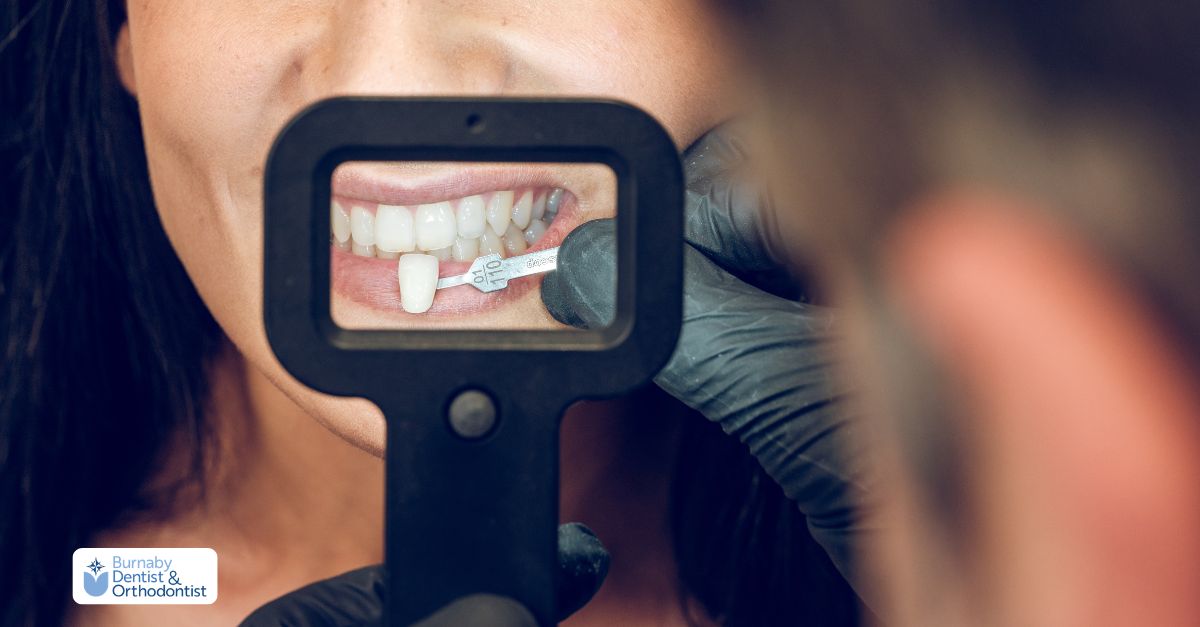
Which veneer is right for you?
Choosing between composite and porcelain veneers isn’t about which is “better”; overall, it’s about which fits your smile goals and lifestyle.
Composite Veneers
Composite veneers are a good option if you’re looking for a quicker and more affordable cosmetic upgrade. They’re suited for smaller touch-ups. Since composite veneers often require minimal enamel alteration, they may be more conservative compared to porcelain, depending on the case.
Porcelain Veneers
Porcelain veneers are the choice for patients seeking longer-term aesthetic stability. They excel when teeth need significant reshaping, colour correction, or a full smile transformation. Their durability and natural translucency may provide longer-term aesthetic stability compared to composite, depending on maintenance and individual factors.
Deciding Factors
Your best option depends on priorities like budget, the extent of cosmetic change needed, and whether you prefer a single-visit fix or a long-term solution crafted over multiple visits. A consultation helps match your vision with the veneer type that makes sense for you.
Are veneers safe and reliable?
When placed following proper clinical assessment, both composite and porcelain veneers are generally considered safe treatment options. The materials are designed to be biocompatible with surrounding tissues.
Porcelain veneers typically require light enamel reduction, but the process is carefully planned to protect the long-term health of your teeth.
Professional Guidance
The key to safety is personalization. A dentist evaluates your bite, enamel thickness, and overall oral health before recommending a veneer type. This ensures the veneers not only look good but also function comfortably without risking tooth structure.
Why Choose Burnaby Dentist & Orthodontist for Your Veneers
At Burnaby Dentist & Orthodontist, each veneer case begins with a comprehensive consultation where your smile goals, tooth condition, and budget are mapped out clearly before any work starts.
Treatment planning is supported by imaging technology and clinical assessment to guide veneer selection and placement. Whether you’re looking for a quick upgrade with composite or a longer-term aesthetic option with porcelain, treatment planning is individualized based on clinical findings and patient goals.
Patients also value the convenience of our Burnaby location and the supportive clinical environment we maintain. From your first consultation to your final smile reveal, you’ll know exactly what’s happening at each step.
Conclusion
Composite and porcelain veneers both have their place, but the best choice depends on your goals. If you’re looking for a quick, lower-cost cosmetic option, composite may be appropriate. Porcelain may be appropriate for patients seeking longer-lasting results, depending on clinical factors.
At Burnaby Dentist & Orthodontist, we don’t just place veneers; treatment recommendations are based on clinical findings and individualized aesthetic goals. Your smile is personal, and so is our approach.
If you would like to explore your options, schedule an appointment today and discuss which veneer option may be appropriate based on clinical assessment and treatment goals.
Do veneers damage your natural teeth?

When properly planned and placed by a dentist, veneers are considered safe. Porcelain veneers require minimal enamel reduction, while composite veneers often involve little to no permanent tooth alteration.
Are veneers covered by dental insurance?
Veneers are usually considered cosmetic and may not be covered by insurance. However, partial coverage may apply if veneers restore structurally damaged teeth. Coverage depends on your individual plan.
Can composite veneers be replaced with porcelain later?
In many cases, yes. Patients who begin with composite veneers may later choose porcelain for longer durability and stain resistance. A dentist evaluates enamel condition and overall oral health before recommending a transition.