

A brighter, more balanced smile isn’t just about whitening; it’s about reshaping how your teeth look and feel. That’s where veneers come in. Whether you’re closing gaps, correcting uneven edges, or masking deep discolouration, veneers are one of the most powerful tools in cosmetic dentistry.
The challenge? Not all veneers are the same. Each type comes with its own strengths, limitations, and long-term results. If you’ve been considering veneers in Burnaby, here’s what you need to know to choose the option that truly fits your smile goals.
At a Glance:
Veneers are thin shells placed on the front of teeth to improve shape, color, and alignment. They’re one of the most effective ways to transform your smile.
- Porcelain Veneers: Natural-looking, durable, long-lasting.
- Composite Veneers: Quicker and more affordable, but shorter lifespan.
- Lumineers (No-Prep): Ultra-thin veneers that typically require little to no enamel reduction, depending on individual case requirements.
- Removable Veneers: Non-invasive, temporary cosmetic option.
- Zirconia Veneers: Extra-strong, less common for pure aesthetics.
The best choice depends on your goals, budget, and how permanent you want the change to be.
What are dental veneers?

Veneers are ultra-thin shells that bond to the front surface of your teeth. Think of them as custom covers that refine shape, size, and colour for a natural yet striking transformation.
Their main role is cosmetic: hiding deep stains, whitening can’t touch, closing small gaps, correcting slight misalignments, and creating balance in uneven teeth. Unlike crowns, which cover the whole tooth, veneers enhance only the visible surface, preserving more natural structure.
When placed by skilled hands, they reflect light like real enamel, blend seamlessly, and deliver the kind of harmony that defines a true smile makeover like how we do smile makeover in Burnaby.
Why Patients Choose Veneers
Veneers are designed to improve the appearance of your teeth and enhance overall smile aesthetics. Patients often choose veneers because they deliver results that whitening, bonding, or orthodontics alone can’t match.
Cosmetic Transformation
Stubborn stains, chipped edges, small gaps, and uneven shapes can all be masked in one treatment. Veneers create the appearance of straight, evenly sized, naturally bright teeth.
Confidence Boost
When patients feel more comfortable with the appearance of their smile, it can positively influence how they speak, laugh, and interact with others. While experiences vary, many people report increased confidence after cosmetic improvements.
Long-Lasting Results
Unlike whitening treatments that fade or bonding that wears down quickly, veneers are designed for durability. With good care, they provide a consistently attractive smile for years.

The Different Types of Dental Veneers
The veneer types below are presented for educational comparison. Burnaby Dentist & Orthodontist currently offers porcelain and composite veneers. Each option has its own advantages, limitations, and ideal candidates. Understanding the differences helps you make an informed decision about your smile.
Porcelain Veneers
Porcelain veneers are custom-crafted in a dental lab. They’re highly durable, resist staining, and mimic the natural translucency of enamel. If you’re aiming for a long-lasting, natural-looking transformation, porcelain is often the top choice.
Composite Veneers
Sculpted directly onto your teeth in a single appointment, composite veneers are more affordable and faster to place than porcelain. While they don’t last as long and can stain more easily, they’re a practical option for patients seeking an immediate upgrade without the higher cost.
Lumineers (No-Prep Veneers)
Ultra-thin and designed to require little to no enamel removal, Lumineers are less invasive than traditional veneers. They can be reversible in certain cases and appeal to patients who want a cosmetic change with minimal alteration of their natural teeth.
Removable Veneers (Snap-On)
These act like a cosmetic mask you can wear over your teeth.
They’re non-invasive, temporary, and don’t require dental preparation. While they can’t replace the strength or durability of bonded veneers, they may suit patients seeking a short-term cosmetic solution.
Zirconia Veneers
Less common for purely cosmetic cases, zirconia veneers are thicker and stronger. They may be recommended in situations where teeth need both cosmetic improvement and added reinforcement.
Choosing Smart: How Veneer Types Stack Up
Each veneer type comes with trade-offs. This breakdown helps you compare them across durability, aesthetics, cost, and treatment process.

Begin Your Smile Journey With Dr. Sasan Hadianfar
Choosing Smart: How Veneer Types Stack Up
Each veneer type comes with trade-offs. This breakdown helps you compare them across durability, aesthetics, cost, and treatment process.
| Type | Durability* | Aesthetics | Cost Level | Ideal Candidate |
| Porcelain | 10–20 years,1 very strong | Natural, Enamel-Like | Higher | Patients Seeking Premium, Lasting Results |
| Composite | 5+ years,2 less resistant | Good, Can Stain | Moderate | Quick, Budget-Conscious Patients |
| Lumineers | 10–20 years with care3 | Ultra-Thin, Natural | Higher | Minimal Enamel Removal Preference |
| Removable | Temporary, not durable | Cosmetic Only | Lower | Short-Term, Reversible Enhancement |
| Zirconia | 20 Years,4 Very Strong, High Endurance | Good, Less Translucent | Higher | Patients Needing Extra Reinforcement |
*Longevity varies depending on bite forces and oral hygiene
Cost of Dental Veneers
The cost of veneers depends on the material, the number of teeth treated, and the level of customization required. Here’s how the main options compare:
Porcelain Veneers
A premium choice, porcelain costs more upfront but offers exceptional longevity and aesthetics.
Composite Veneers
More affordable and completed in a single visit, but with a shorter lifespan and greater susceptibility to staining.
Lumineers (No-Prep Veneers)
Priced similarly to porcelain. Their appeal lies in being less invasive, which some patients see as added value.
Removable Veneers
The least expensive option, but designed only for temporary cosmetic enhancement, not long-term durability.
Zirconia Veneers
Typically, at the higher end of the cost spectrum, it is chosen when strength is as important as appearance.
Since veneers are a cosmetic treatment, insurance rarely covers them.
The real consideration isn’t just price, but lifespan. A porcelain veneer that lasts over a decade may ultimately be a smarter investment than replacing composite veneers more frequently.

How long do veneers last?
Veneers don’t last forever, but with good care, they can serve you well for many years. Lifespan depends on the material, your habits, and your dental care routine.
- Porcelain Veneers: Highly durable and resistant to stains, porcelain typically lasts well over a decade.
- Composite Veneers: Less durable, more prone to wear and discolouration, and usually need replacement sooner than porcelain.
- Lumineers: Ultra-thin yet strong, their longevity is comparable to porcelain when properly maintained.
- Removable Veneers: Intended only as a short-term cosmetic fix, not for daily chewing or long-term use.
What Affects Longevity
Habits like grinding, biting hard objects, or smoking can shorten a veneer’s life. Consistent hygiene and regular dental visits help maximize results and protect your investment.
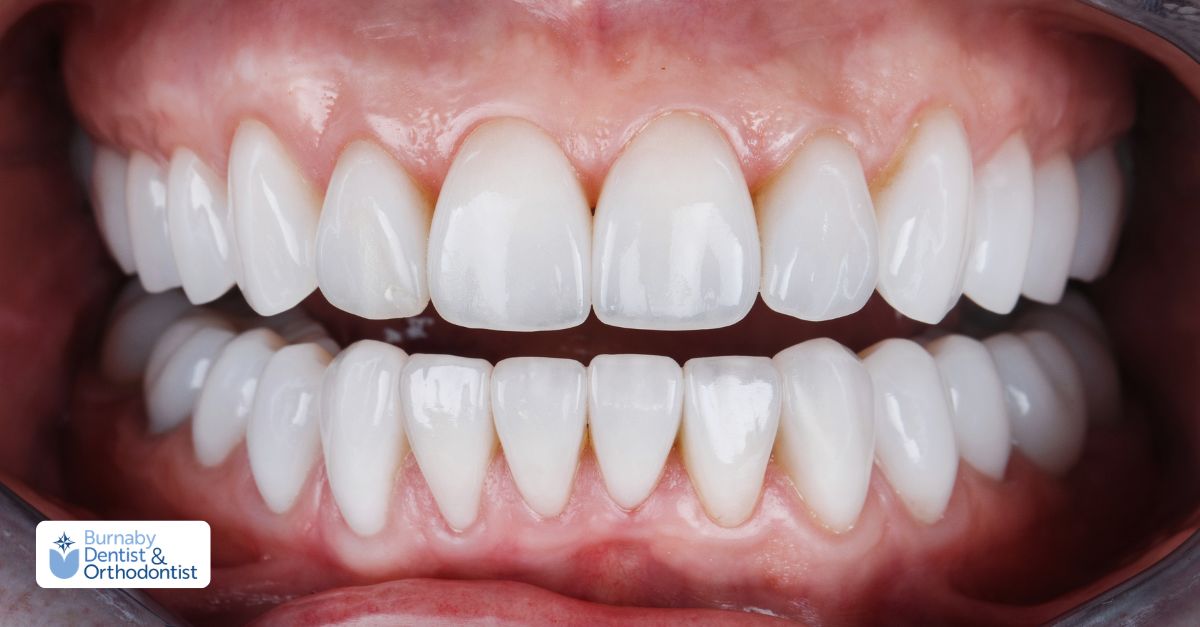

Are veneers safe for your teeth?
When planned appropriately and performed by a qualified dentist, veneers are generally considered safe for suitable candidates, but the level of enamel reduction depends on the type chosen. Traditional porcelain veneers require enamel reshaping, which is permanent. Once placed, the tooth will always require some form of restoration.
Porcelain and Composite Veneers
These require minimal enamel removal, allowing the veneer to fit naturally. The change is permanent, meaning the treated tooth will always need a veneer or similar restoration.
Lumineers and No-Prep Options
Ultra-thin and often placed without enamel reduction, making them less invasive and sometimes reversible.
Tooth Health
When properly planned and bonded, veneers can help protect the front surface of the tooth, but overall strength depends on case selection and bite forces. Longevity depends on how well you maintain consistent hygiene, and avoiding habits like grinding or nail-biting are key.
The Veneer Procedure Step by Step
Getting veneers isn’t a one-size-fits-all process; it’s a carefully planned sequence designed to create a smile that looks natural, feels comfortable, and lasts. Here’s how it typically works:

Step 1: Consultation & Smile Design
Your journey starts with a consultation. This is where you and your dentist map out your goals, review photos or mock-ups, and decide which veneer type fits your needs.
Step 2: Tooth Preparation (If Needed)
For porcelain or composite veneers, a very thin layer of enamel may be removed so the veneers sit seamlessly on your teeth. With no-prep options like Lumineers, this step may be minimal or skipped altogether.
Step 3: Impressions or Digital Scans
Once your teeth are prepared, the dentist takes impressions or uses a digital scanner. These records guide the lab (or, in some cases, in-office CAD/CAM technology) in crafting your custom veneers.
Step 4: Temporary Veneers (If Required)
While your final veneers are being made, temporary versions may be placed to protect your teeth and give you a preview of your new smile.
Step 5: Placement & Bonding
At the final visit, each veneer is checked for fit, colour, and shape. They’re then bonded securely with a specialized resin, polished, and adjusted to feel as natural as your own teeth.
Step 6: Aftercare & Follow-Up
You’ll get guidance on caring for your veneers, from brushing and flossing to avoiding habits that can chip them. Follow-up visits ensure everything looks and feels perfect.
The procedure is precise but comfortable, and most patients are surprised by how smooth the process feels from start to finish.
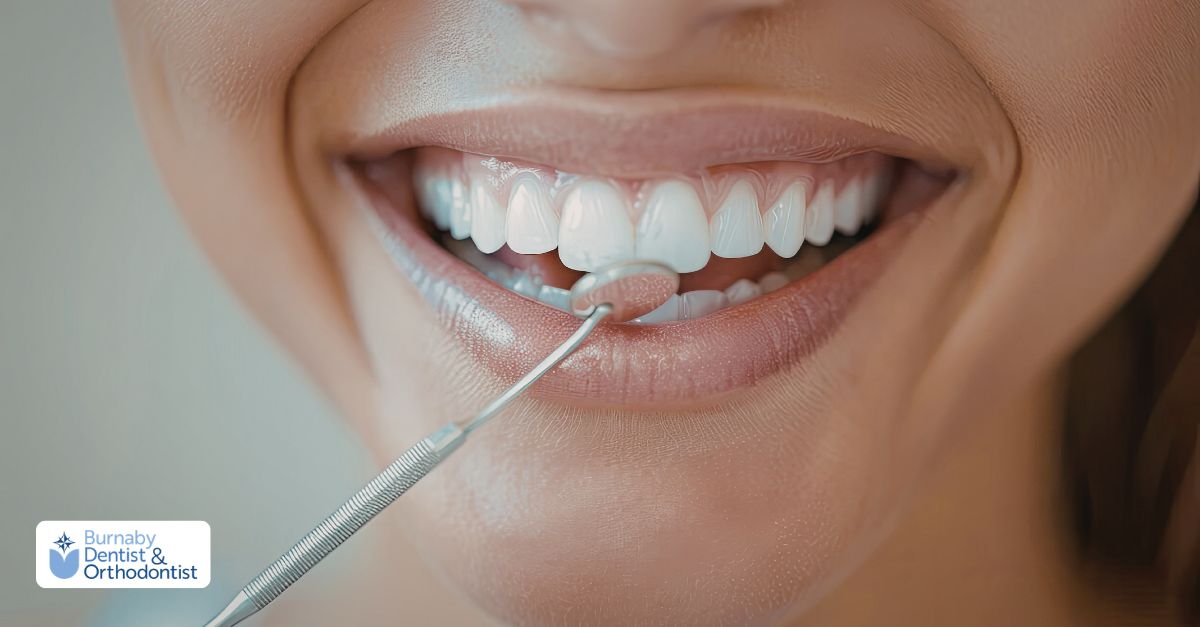

Do dental veneers require special care?
Veneers don’t demand a complicated routine, but they do need consistency. Treat them much like your natural teeth, with some added attention to habits that protect their surface.
- Daily Hygiene: Brush twice a day with a soft-bristle toothbrush and non-abrasive toothpaste.Floss daily to prevent plaque buildup around the edges.
- Food & Drink: Porcelain veneers resist stains, but composite is more vulnerable. Limiting coffee, tea, red wine, and smoking helps keep them bright.
- Habits to Avoid: Biting nails, chewing ice, or using teeth to open packages can chip veneers. If you grind your teeth, a night guard is often recommended.
- Dental Checkups: Regular visits allow your dentist to monitor the bond, polish the surface, and catch issues early.
Choosing Burnaby Dentist & Orthodontist for Your Veneers
At Burnaby Dentist & Orthodontist, veneers are never one-size-fits-all. We design each treatment around your goals, using digital imaging and advanced techniques to ensure veneers that look natural and feel comfortable.
Our team blends precision with artistry, guiding you through options like porcelain, composite, or no-prep veneers so you can make an informed choice. Conveniently located in Burnaby, we provide expert cosmetic care in a setting built for comfort and confidence.
Conclusion
Veneers are one of the most versatile tools in cosmetic dentistry in Burnaby, offering solutions for discolouration, chips, gaps, and uneven teeth. The key is choosing the type that matches your goals.
At Burnaby Dentist & Orthodontist, every veneer case is customized to balance aesthetics with long-term health. With proper placement and good oral care, veneers can enhance the appearance of your smile and help you feel more comfortable sharing it.
Ready to see what veneers can do for you? Book a consultation today and take the first step toward your new smile.