

Email

info@burnabydentistandorthodontist.com

Call

+1 (604) 437-7723

Address

3999 Kingsway-Burnaby, BC V5H 1Y8

Oral Surgery in Burnaby

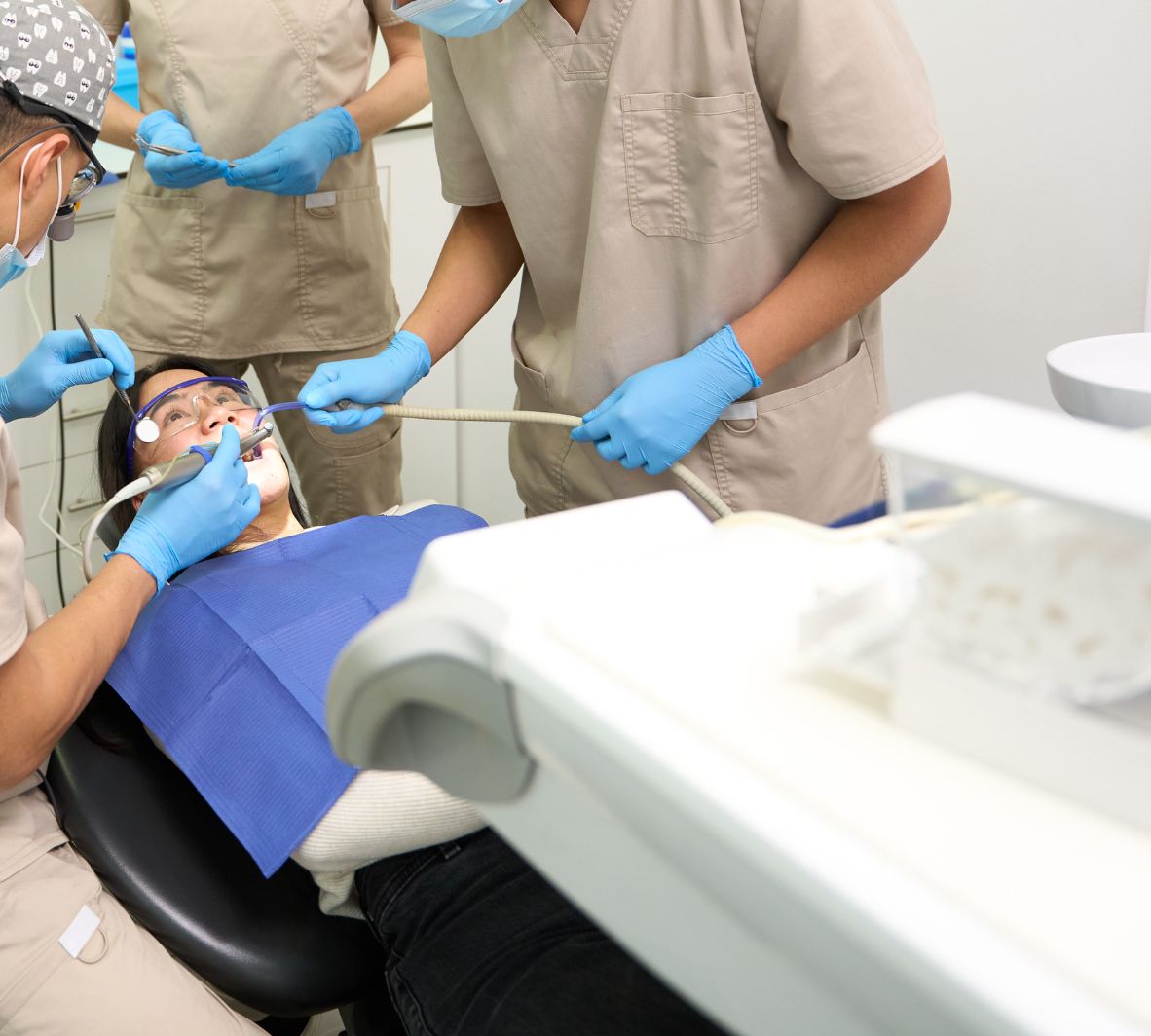
Oral surgery is often recommended when non-surgical treatment is not sufficient or not expected to provide a stable long-term outcome. At Burnaby Dentist & Orthodontist, care focuses on identifying the source of the problem, explaining your options, and outlining what to expect during treatment and recovery.

Oral Surgery in Burnaby

What our Patient Think About Us?

Do You Need Oral Surgery? Start With These Symptoms and Scenarios

Oral surgery may be considered when symptoms suggest infection, structural damage, or impacted teeth. Persistent swelling, severe pain, drainage, fever, or a tooth broken below the gumline warrant assessment. Some cases need surgery; others can be monitored after a clinical exam.

Oral Surgery

Urgent Signs: Swelling, Severe Pain, Pus, Fever, Spreading Infection Concerns

Sudden facial swelling, escalating pain, pus, fever, or difficulty opening the mouth can indicate infection spreading beyond a tooth. These signs require prompt assessment to identify the source and help reduce the risk of further progression.

Oral Surgery

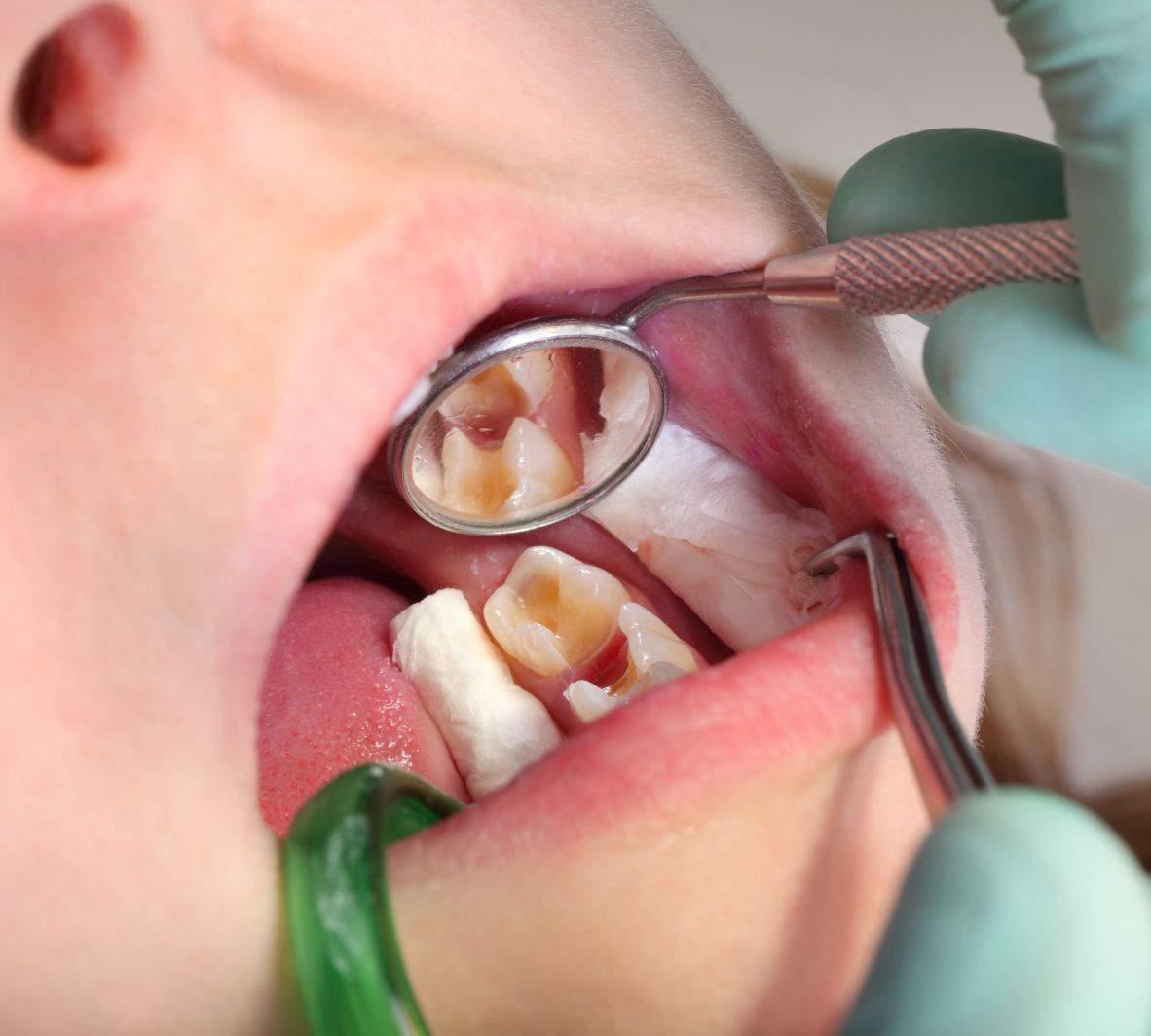
Structural Problems: Broken Tooth Below the Gumline or Non-Restorable Decay

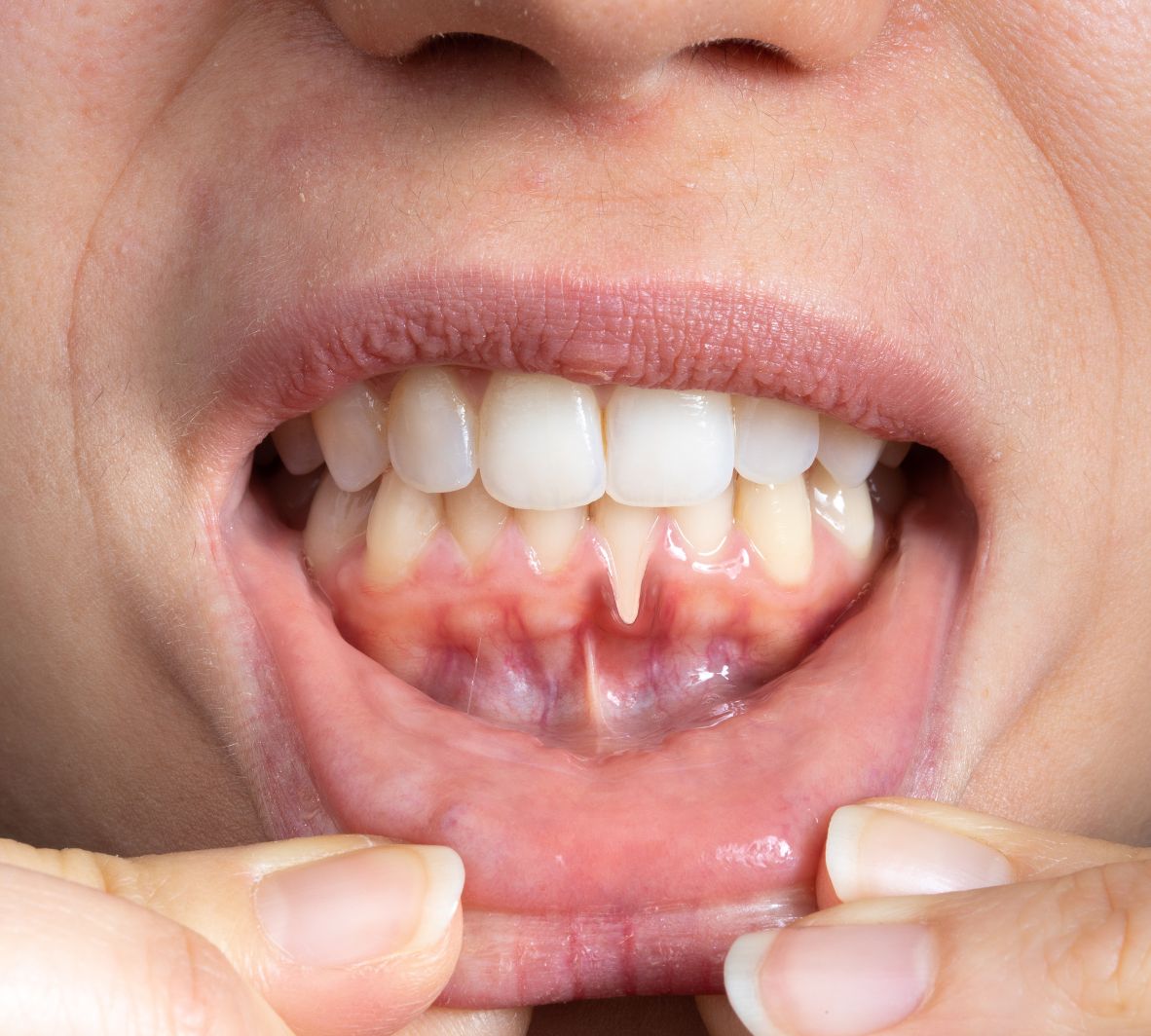
A tooth fractured below the gumline or damaged by extensive decay may not be considered predictably restorable based on clinical assessment. Surgery may be considered when predictable sealing, stability, or infection control cannot be achieved with fillings, crowns, or root canal treatment alone.

Oral Surgery

Impacted/Problem Wisdom Teeth: Repeated Inflammation or Damage Risk to Nearby Teeth

Wisdom teeth can cause repeated inflammation, decay, or pressure on adjacent teeth. Removal may be advised when impaction, limited cleaning access, or early damage creates an ongoing risk rather than a stable situation suitable for monitoring alone.
Inlay vs. Onlay – What’s the Difference?

What “Oral Surgery” Includes at a Dental Clinic

Oral surgery in a dental clinic addresses issues that cannot be treated with non-surgical methods. This includes simple extractions, which remove a tooth without affecting surrounding structures, and surgical extractions for teeth with complex roots or below the gumline.

Wisdom teeth are evaluated individually, and removal is only considered in cases of impaction, recurrent inflammation, or potential damage to adjacent teeth. Before proceeding, factors such as timing and recovery expectations are discussed to help patients make informed decisions.

Surgical options may involve removing an infected tooth or treating the surrounding area to prevent future infections and protect adjacent teeth and bone. You can check our dental emergency in Burnaby page for more details on urgent concerns.

What “Oral Surgery” Includes at a Dental Clinic

Tooth Extraction in Burnaby

When a tooth cannot be saved predictably, extraction may be recommended to manage infection and limit further damage. At Burnaby Dentist & Orthodontist, the reasoning and next steps are explained clearly, supporting healing and long-term planning for patients across Burnaby, including Metrotown, Brentwood, and Lougheed, with convenient access for those near major transit routes.

Oral Surgery

When a Tooth Can’t Be Saved (Even With Root Canal or Crown)

Extraction is considered when fracture, decay, or infection prevents a predictable seal or long-term structural stability.

Oral Surgery

Surgical Extraction: Roots, Breakage, or Position Challenges

Surgical extraction may be required when roots are curved, broken, or positioned below the gum or bone level.

Oral Surgery

After Extraction: Protecting the Site and Planning Replacement (If Needed)

After healing, replacement options may be reviewed to maintain bite function and bone support. Our dental implants in Burnaby page explains when implant planning is considered and how timing fits into long-term care.

At Burnaby Dentist and Orthodontist Clinic

Begin Your Smile Journey with Dr. Hadianfar

Oral Surgery

When Removal Is Necessary vs When Monitoring Is Enough

Wisdom teeth are evaluated individually to balance avoiding unnecessary surgery with preventing predictable infection, crowding, or damage to nearby teeth.

Clinical SituationRisk LevelCare ApproachFollow-Up Plan
RemovalRecurrent Pain, Infection, Damage RiskHigher Risk Over TimePlanned Surgical RemovalPost-Op Review And Healing Checks
MonitoringNo Symptoms, Healthy TissueLow, Stable RiskOngoing ObservationRoutine Exams And Imaging As Needed

What Surgery Helps Fix (and What It Doesn’t)

Antibiotics may reduce symptoms temporarily, but surgery may be required to address the infection source when medication alone does not provide a predictable resolution.

What Surgery Helps Fix (and What It Doesn’t)
Oral Surgery

Why Infections Come Back If the Source Isn’t Treated

Infections often return when the underlying cause remains untreated, allowing bacteria to persist inside bone, soft tissue, or the tooth structure.

Oral Surgery

When Drainage or Surgical Management May Be Considered

Surgical management may be considered when swelling, pressure, or abscess formation cannot be resolved safely with medication alone.

Oral Surgery

Follow-Up Plan: Preventing Recurrence Through Definitive Care

Follow-up focuses on eliminating the source and monitoring healing. Our comprehensive dental exams & consultations page explains how structured exams support long-term infection control.

Clear Planning Starts With an Appointment

An oral surgery appointment allows time to review imaging, discuss findings, and explain options calmly and clearly. You’ll receive practical guidance based on your situation, with no pressure, just straightforward information to help you decide your next step.

Bone Grafting and Socket Preservation After Extraction (When It’s Recommended)

After extraction, the bone can change shape as healing occurs. In some cases, site preservation is recommended to support future stability, protect nearby structures, and keep options open for tooth replacement without adding complexity later.

Oral Surgery

What the Bone Does After a Tooth Is Removed (Why Shape Can Change)

After a tooth is removed, the surrounding bone no longer receives stimulation and may gradually shrink. This natural change can affect gum contour, the support of neighbouring teeth, and future restorative options if preservation is not considered early.

Oral Surgery

When Preservation Matters Most (Future Implant/Bridge Planning Considerations)

Socket preservation matters most when future tooth replacement is likely. Maintaining bone volume may simplify future implant or bridge planning and support preservation of natural spacing and bite alignment over time.

Oral Surgery

Healing Expectations: What Changes in the Follow-Up Timeline

When preservation is performed, healing follows a slightly longer, staged timeline. Early healing focuses on stability, followed by gradual bone integration, with follow-up visits used to monitor progress and determine when replacement planning can begin.
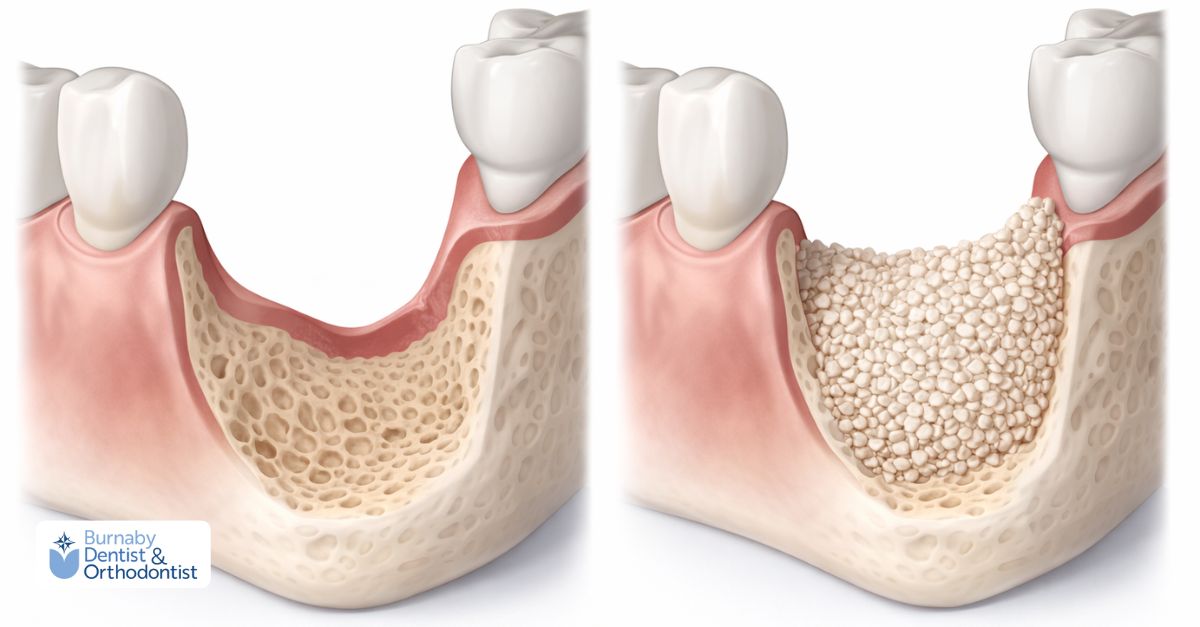
Common grafting techniques used in dentistry to rebuild lost jawbone and prepare the mouth for future dental treatments

What to Expect at Your Oral Surgery Consultation in Burnaby

At Burnaby Dentist & Orthodontist, the consultation focuses on clear planning. Your exam, imaging, and medical history are reviewed to assess complexity, explain options, outline next steps, and set realistic expectations before any treatment is scheduled.

Oral Surgery

Exam and Imaging: How We Confirm Difficulty and Risk

Clinical exam and imaging are used to evaluate tooth position, bone involvement, and complexity before confirming the surgical approach.

Oral Surgery

Medical History and Medications: What Changes Surgical Planning

Medical conditions and medications are reviewed carefully, as they can affect healing, bleeding risk, and procedural planning.

Oral Surgery

Clear Options: Best Path, Alternatives, and When Referral Is Safer

Findings are explained with clear options, including alternatives and referral recommendations when complexity or risk exceeds in-office care.

Comfort, Anesthesia, and Anxiety, “Will It Hurt?”

Comfort is managed with local anesthetic and a calm, paced approach. You may feel pressure, but not pain, during treatment. Anxiety is addressed through clear communication, breaks when needed, and realistic guidance about what sensations are normal during and after surgery.

Oral Surgery

Local Anesthetic: What You’ll Feel vs What You Won’t

Local anesthetic numbs the treatment area so pain is blocked. You may notice pressure or vibration, but sharp pain is not expected and is addressed immediately if it occurs during the procedure.

Oral Surgery

Anxiety Support: Pacing, Communication, and Comfort-First Approach

Anxiety is addressed through clear explanations, steady pacing, and regular check-ins. Treatment can be paused as needed, helping you stay informed and comfortable throughout the visit.

Oral Surgery

Pain After Surgery: What’s Normal, What’s Not, and How It’s Managed

Mild soreness and swelling are normal after surgery and usually improve gradually. Increasing pain, fever, or worsening swelling are reviewed promptly to adjust care if needed.

Dental Bonding in Burnaby

Replacing a Removed Tooth

Replacing a removed tooth is not always immediate, but planning begins early. Options are discussed based on healing, bone support, and long-term function, so timing and approach remain predictable rather than rushed.

Oral Surgery

When Replacement Is Recommended

Replacement may be advised to maintain bite balance, prevent shifting of nearby teeth, and support long-term bone stability after healing.

Oral Surgery

Common Options: Implant, Bridge, or Partial Denture

Options vary by anatomy, oral health, and goals. Each approach has different timelines, maintenance needs, and long-term considerations.

Oral Surgery

Timing: Healing First vs Same-Day Temporary Solutions

In many cases, healing is allowed before replacement planning. Temporary solutions may be considered when function or appearance needs short-term support.

CDCP

Important Information for CDCP Patients

Treatment under the Canadian Dental Care Plan is not fully covered. A co-payment will apply.

Oral Surgery

Recovery and Aftercare

Clear aftercare guidance supports healing and helps patients understand how to lower the risk of complications.

First 24–48 Hours: Bleeding, Swelling, Rest, and Food Choices

Light bleeding and swelling are expected early. Rest, gentle pressure, cold compresses, and soft foods support stable clot formation.

Cleaning Without Disrupting Healing: Rinsing and Brushing Rules

Cleaning instructions focus on protecting the healing site while maintaining overall oral hygiene. Broader brushing and hygiene guidance is outlined on our dental hygiene in Burnaby page.

Warning Signs: When to Call the Clinic Immediately

Increasing pain, spreading swelling, fever, or persistent bleeding are not expected and should be reported promptly for assessment.

Risks, Safety, and Common Myths About Oral Surgery

Oral surgery involves predictable risks, but careful planning, imaging review, and clear aftercare guidance are used to support safe healing and structured recovery. Understanding common myths about pain, antibiotics, and recovery supports informed decisions without unnecessary concern.

Common Risks and How We Reduce Them

Common risks include swelling, bleeding, or delayed healing. These are managed through careful assessment, imaging review, medical history screening, and clear post-operative instructions tailored to your procedure.

Dry Socket: What It Is, Who Is at Higher Risk, How to Lower Risk

Dry socket occurs when the healing clot is disrupted. Smoking, early rinsing, and trauma increase risk. Following aftercare instructions closely helps protect the site and support proper healing.

Myth vs Reality: Antibiotics, Pain, and “One-Visit Fixes”

Antibiotics alone do not cure most dental infections, pain is typically manageable, and surgery is rarely a single-step solution without follow-up care or long-term planning.

Clear Planning Starts With an Appointment

An oral surgery appointment allows time to review imaging, discuss findings, and explain options calmly and clearly. You’ll receive practical guidance based on your situation, with no pressure, just straightforward information to help you decide your next step.

 Cost, Insurance, and CDCP

Oral Surgery

Burnaby Dentist & Orthodontist accepts a variety of insurance plans, and our team can help review how your benefits may apply before treatment is planned.
Costs vary based on procedure complexity, such as simple versus surgical extractions, and whether one or multiple teeth are involved. Insurance considerations often include predetermination, coverage limits, and documentation requirements.
For CDCP, eligibility, covered service categories, and frequency limits depend on individual enrollment. Reviewing these details in advance helps reduce uncertainty and avoid unexpected costs.

CDCP

Pacific Blue Cross

Sun Life

Manulife

Green Shield

Canada Life

Insurance coverage depends on your individual plan. Predetermination requirements, documentation, and frequency limits can influence what is covered and when. Reviewing these details in advance helps reduce unexpected costs.

CDCP coverage for gum grafting varies by eligibility and procedure rules. For general program details and what patients should confirm before scheduling, you can review CDCP information for patients.

Why Choose Our Clinic for Oral Surgery?

Burnaby patients choose our clinic for clear planning, consistent follow-up, and coordinated care that supports both immediate treatment and long-term oral health.

Clear Planning: Imaging Review, Difficulty Assessment, and Options

Planning starts with imaging review and difficulty assessment to explain risks and options clearly. When gum health or infection history affects surgical decisions, you can check our scaling & root planing (deep cleaning) in Burnaby page for related background.

Long-Term Support: Periodontal Maintenance After Gum Grafting

Comfort + Follow-Up: Support That Continues After the Procedure

Support continues after surgery through follow-up visits, healing checks, and recovery guidance. Ongoing tissue monitoring and stability expectations are outlined further on our periodontal maintenance in Burnaby page.

Surgical Extractions in Burnaby

Long-Term Thinking: Protecting Adjacent Teeth and Planning What Comes Next

Surgical decisions account for long-term protection of adjacent teeth and bone. Planning focuses on stability, spacing, and preserving future treatment options without rushing replacement decisions.

When You Need a Surgical Extraction in Burnaby

FAQs

How do I know if I need oral surgery? Oral Surgery

Oral surgery may be recommended when infection, pain, or structural damage cannot be managed predictably with non-surgical treatment. An exam and imaging are required to confirm this.

Is oral surgery always urgent? Oral Surgery

Not always. Some conditions require timely treatment, while others can be monitored safely. Urgency depends on symptoms, infection risk, and potential impact on surrounding teeth or bone.

Will I feel pain during the procedure? Oral Surgery

A local anesthetic is used to block pain. You may feel pressure or movement, but sharp pain should not occur during treatment.

How long does recovery usually take? Oral Surgery

Initial healing typically occurs within a few days, while complete healing can take several weeks, depending on the procedure and individual healing response.

Are antibiotics enough to treat a dental infection? Oral Surgery

Antibiotics may reduce symptoms temporarily, but they often do not remove the source of infection. Definitive treatment is often needed to address the source and reduce the likelihood of recurrence.

What happens after a tooth is removed? Oral Surgery

After extraction, healing is monitored, and aftercare instructions are provided. If replacement is needed, timing and options are discussed once the site has stabilized.


Contact Us Today!

Contact Burnaby Dentist and Orthodontist About Oral Surgery in Burnaby

  • Straighten crooked and misaligned teeth
  • Conceal chips, cracks, and discoloured teeth
  • Whiten and brighten your smile
  • Take years off the look of your teeth
  • Boost your self-esteem!

Monday

9 AM – 5 PM

Tuesday

8 AM – 5 PM

Wednesday

9 AM – 6 PM

Thursday

9 AM – 5 PM

Friday

9 AM – 5 PM

Saturday

9 AM – 4 PM

Activated

Accessi by Marketing Planet

Content Controls

Readable FontMay break icons
Dyslexia FontMay break icons
Highlight Titles
Text Magnifier
Left Aligned
Center Aligned
Right Aligned

Design Controls

Dark Contrast
Invert Colors
Light Contrast
Monochrome
High Contrast
High Saturation
Low Saturation

Media and Other Controls

Mute Sounds
Hide Images
Reading Guide
Stop Animations
Reading Mask
Highlight Hover
Highlight Focus
Large Cursor