
Exposure of Impacted Teeth for Orthodontics in Burnaby
Some teeth, most often upper canine teeth, don’t come in on their own and remain trapped under the gum or bone.
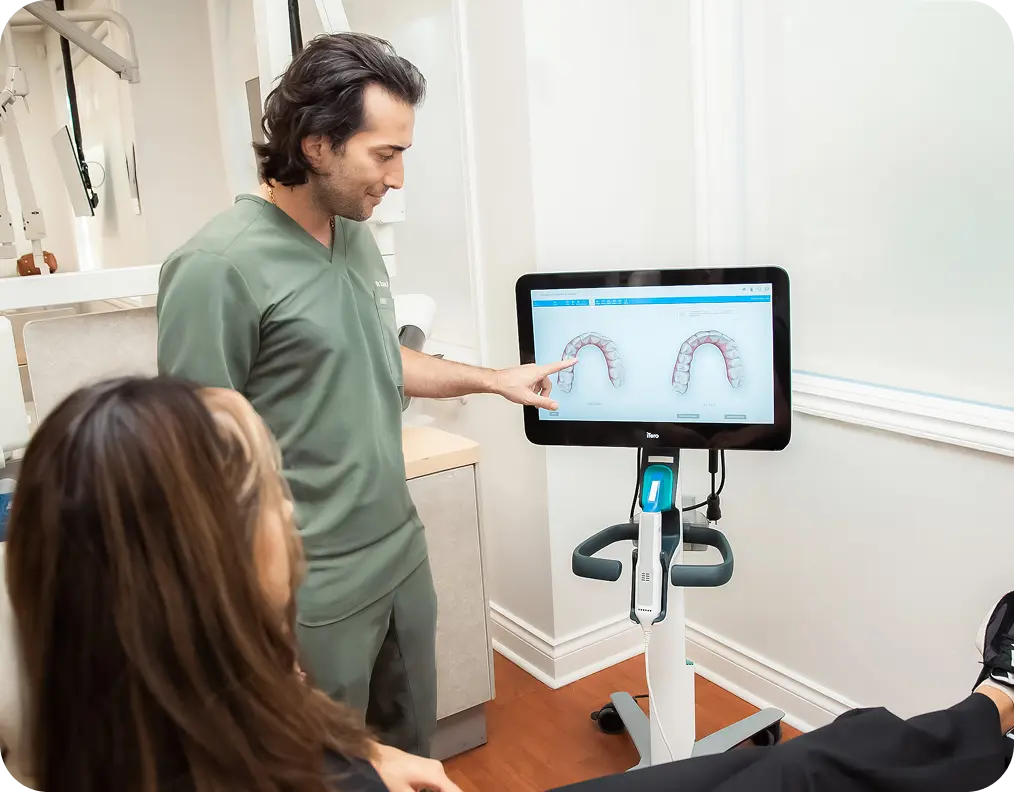
Exposure-and-bond is a routine orthodontic–surgical procedure that gently uncovers the tooth so it can be guided into position as part of orthodontic treatment. At Burnaby Dentist & Orthodontist, eligible cases are coordinated with Invisalign® treatment.

What our Patient Think About Us?
Posted on Google loveleen dhanoaTrustindex verifies that the original source of the review is Google. I was scheduled for full checkup and cleaning. Randeep was so sweet, polite and experienced. At every point of the appointment, she made sure that I knew what was happening and If I was in any pain. She made my experience very smooth and less scary. She did an amazing job on cleaning and explaining everything. Dr. Sasan explained clearly about what is needed or not about my dental insecurities. Front Staff was nice and polite. Highly recommended!Posted on Google James YipTrustindex verifies that the original source of the review is Google. Amazing staff and facilities here and had a great time doing regular check up and cleanings. Would love to be backPosted on Google fardad faridiTrustindex verifies that the original source of the review is Google. Thanks for your good servicePosted on Google Alyoshka MyshkoTrustindex verifies that the original source of the review is Google. Posted on Google Carlotta CrestanelloTrustindex verifies that the original source of the review is Google. The best experience!! I was so nervous for my wisdom tooth extraction and the whole staff was so supportive. Highly recommended, everyone should feel like this when they go to the dentist. I ended up having fun!!!Posted on Google Sunny Lee-GordonTrustindex verifies that the original source of the review is Google. Ghazal was informative and caring! Loved my cleaning session with her :) definitely will come back!Posted on Google Elan AsselstineTrustindex verifies that the original source of the review is Google. Have come here for several years and now come with my kids (7 and 4), great experience, very friendly.Posted on Google Andrew WuTrustindex verifies that the original source of the review is Google. Patient and kind with their service. Much needed when it comes to teeth cleaningPosted on Google Layla SongTrustindex verifies that the original source of the review is Google. The dentist was professional and gentle – the whole experience was smooth and comfortable. Highly recommend!Posted on Google Jas JaskaranTrustindex verifies that the original source of the review is Google. Great service, staff and doctor are friendly. They’re giving very open and transparent service so feel comfortable with all the procedures and treatments.
What Is an Impacted Tooth? (And Why Exposure Surgery Helps)
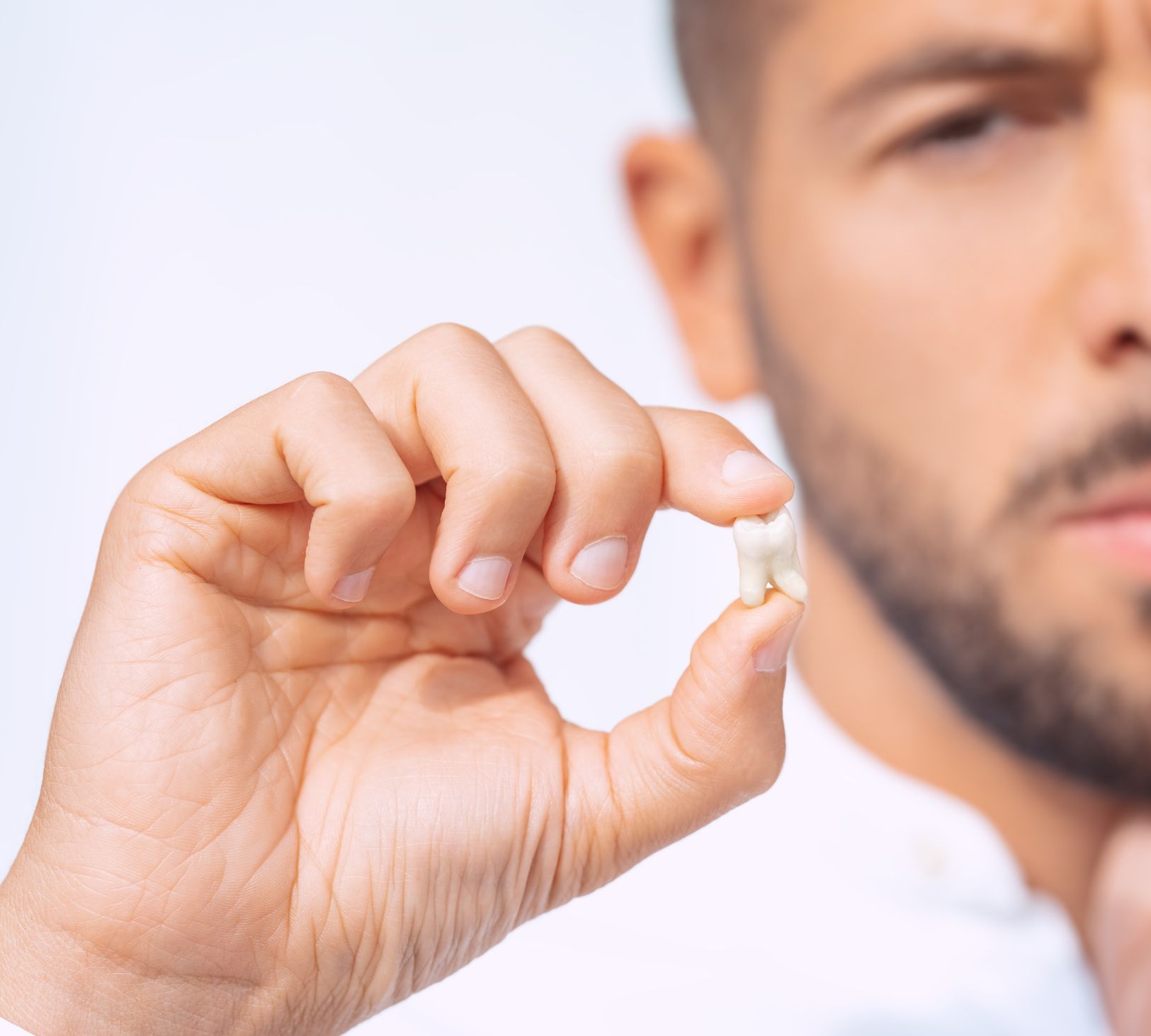
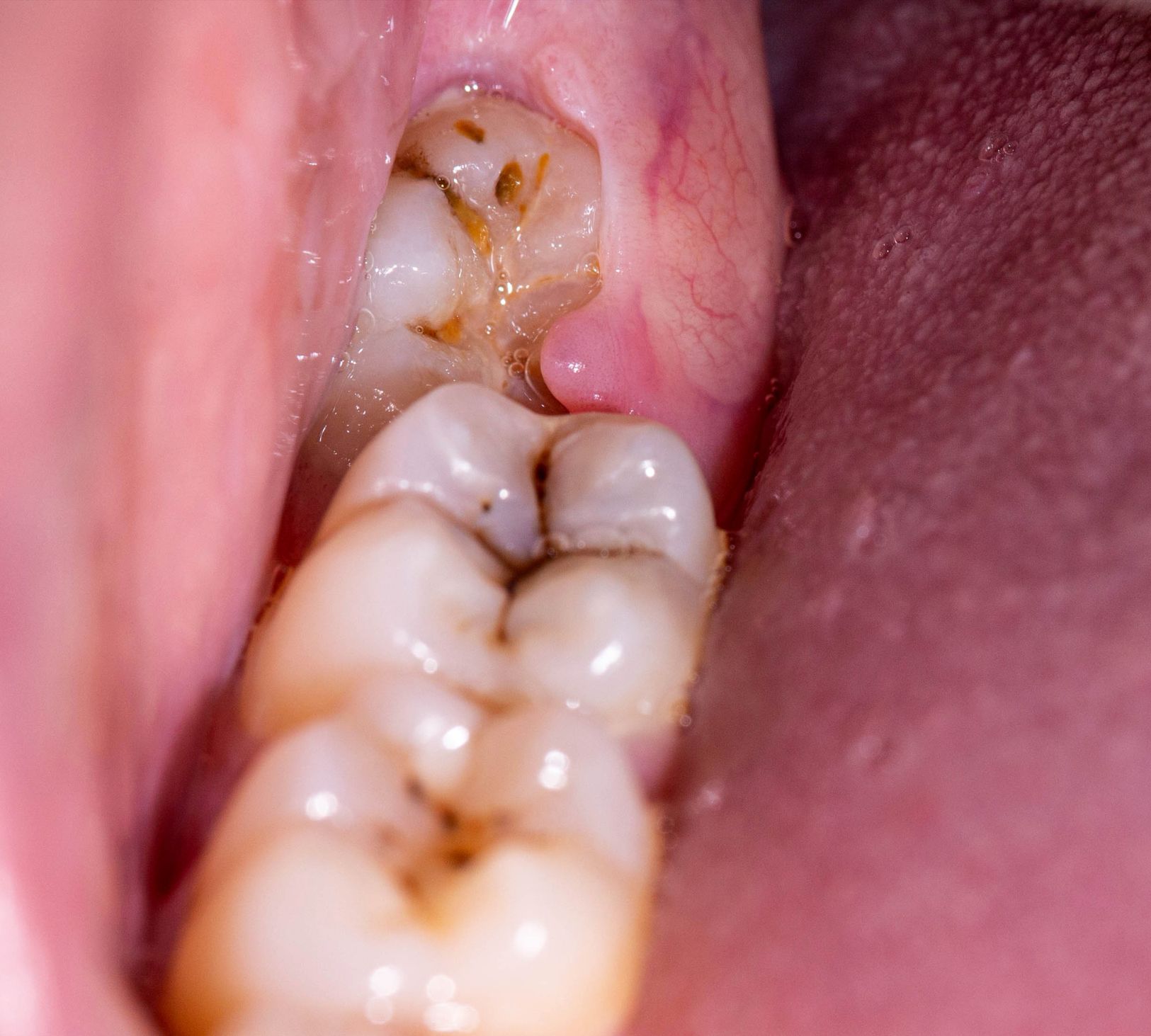
An impacted tooth is one that hasn’t erupted into the mouth as expected and remains trapped under the gum or bone. While this can sound alarming, it’s a common orthodontic finding and, in many cases, can often be treated successfully, depending on the case, with coordinated orthodontic and surgical care.

When a Tooth Gets “Stuck” Under the Gum
A tooth is considered impacted when it cannot come in normally on its own. This often happens due to crowding, an abnormal eruption path, or delayed development. The tooth is present but blocked, not missing or damaged.

Causes of Impacted Canines
Canine teeth play a key role in bite function, jaw guidance, and smile appearance. Because they erupt later and travel a longer path, they’re more likely to become impacted. Impacted canines most often result from delayed eruption, where the tooth does not emerge at the expected time. Genetic factors such as a smaller jaw, crowded teeth, or extra teeth can block the canine’s eruption path. Environmental factors, including trauma, lack of space, or orthodontic treatment without timely extractions, can also contribute. Poor oral hygiene or smoking may further affect the supporting bone, making normal eruption more difficult.

How Orthodontics + Surgery Work Together
Exposure surgery (also called expose and bond) is a common in-office procedure that uncovers an impacted tooth so it can be guided into place. The procedure creates access to the tooth and may involve attaching a small orthodontic button or chain. After exposure, orthodontic treatment is used to guide the tooth into position. At our clinic, this may be coordinated with Invisalign® treatment in appropriate cases.
How Do I Know If an Impacted Tooth Needs Exposure?
Here’s how orthodontists determine whether an impacted tooth needs surgical exposure or can be safely monitored.

X-Rays & 3D Imaging Confirm Tooth Position
Panoramic X-rays and 3D CBCT imaging are used to see exactly where the tooth is located. These images show the tooth’s angle, depth, and relationship to nearby teeth and bone. This information allows the orthodontist to plan treatment accurately and safely.

When Observation Is Fine vs When We Intervene
In some cases, a delayed tooth may erupt on its own with time and monitoring. Exposure is usually recommended when the tooth is unlikely to come in naturally, is positioned poorly, or could affect nearby teeth. The decision is based on imaging findings, age, and overall orthodontic goals.

Why Early Diagnosis (Teens) Improves Results
Bone is generally more responsive during the teen years, which may support efficient tooth movement. Early diagnosis often means shorter treatment time and a smoother eruption process. It can also reduce the risk of complications and the need for more complex procedures later.
At Burnaby Dentist and Orthodontist Clinic
Begin Your Smile Journey with Dr. Hadianfar

Exposure-and-Bond Procedure (Simple Step-by-Step)
Below is a clear, step-by-step look at what happens during an exposure-and-bond procedure. Let’s break it down so you know exactly what to expect and why each step matters.

Local Numbing and Comfort Options
The area is carefully numbed with local anesthesia to keep the procedure comfortable. The focus is on a calm, controlled experience for both teens and adults.

Small Opening Made to Expose the Tooth
A small, precise opening is created in the gum to uncover the impacted tooth. Tissue is handled conservatively to support healthy healing.

Orthodontic Button or Attachment Placed
A small orthodontic button may be bonded to the exposed tooth. This attachment works with Invisalign® clear aligners to guide the tooth’s movement gradually into proper position.

Healing and Tooth Movement Over Time
The gum tissue heals as gentle orthodontic forces slowly guide the tooth into position. Movement happens gradually to protect the tooth and surrounding bone.

If you’re unsure whether exposure is recommended, a consultation allows time to review imaging, explain findings, and outline next steps clearly.
Recovery: What To Expect After Exposure Surgery
Here’s what to expect in the days and weeks following the procedure, and how healing is supported as orthodontic treatment begins.

Mild Tenderness, Swelling, and Care Instructions
It’s normal to experience mild tenderness, swelling, and some light bleeding in the first 24–72 hours. These symptoms should gradually improve with rest, cold packs, and prescribed or recommended pain relief. Ongoing or worsening pain, heavy bleeding, or signs of infection are reasons to contact the clinic.

Eating & Oral Hygiene Tips
Soft foods and cool or room-temperature liquids are recommended initially. Gentle brushing should continue while avoiding the surgical area, along with regular warm salt-water rinses to keep the site clean and support healing.

When Normal Activities Resume
Most patients return to school or work within a day or two. Strenuous exercise and sports should be limited for the first few days and resumed gradually if no throbbing or bleeding occurs.

Follow-Up With Your Orthodontist
Healing is monitored closely before orthodontic forces are applied. Your orthodontist will begin or adjust gentle traction once the area has healed sufficiently, ensuring the tooth is guided in a controlled way
Is Exposure of an Impacted Tooth Safe? (Risks & Prevention)
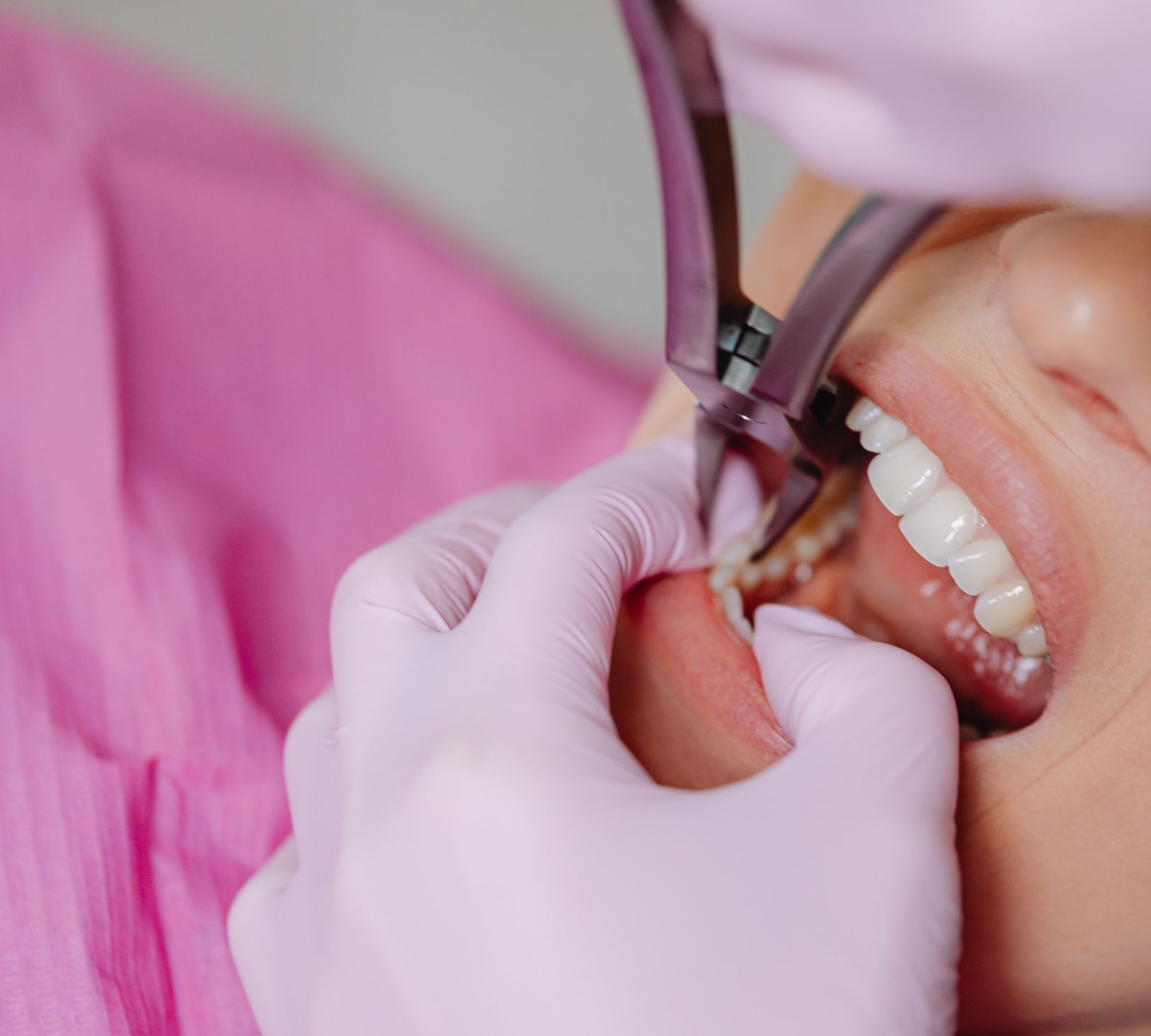
Exposure-and-bond procedures are widely used in orthodontic care and are considered safe when properly planned and monitored.
Like any dental procedure, there are some risks, but these are typically minor and managed through careful technique, follow-up, and coordination between orthodontic and surgical care.
Gum Irritation or Minor Discomfort
Temporary gum irritation, tenderness, or mild swelling is common after exposure surgery. These effects are expected, usually short-lived, and improve as the area heals and the tooth begins to move.
Rare Infection Risk
Infection is uncommon and minimized through sterile procedures and clear post-operative care instructions. If symptoms such as increasing pain, swelling, or discharge occur, early evaluation allows us to intervene promptly and prevent complications.
What We Monitor During Healing
Throughout healing and orthodontic treatment, we closely monitor gum health, the direction of tooth movement, and how the tooth responds to applied forces. This ongoing supervision helps ensure the tooth moves safely into position with the goal of supporting alignment when treatment progresses as planned.
How Long Does It Take for the Tooth to Move Into Place?
Tooth movement after exposure happens gradually and varies from patient to patient. The timeline depends on the tooth’s position, age, and how the surrounding bone responds to orthodontic forces.


Typical Movement Timeline
Initial movement may begin within a few weeks after healing, once gentle traction is applied. Full alignment into the dental arch usually takes several months and is coordinated as part of the orthodontic treatment plan, which may include Invisalign® in appropriate cases.

Teen vs Adult Healing Differences
Teens generally experience faster tooth movement because their bone is less dense and more responsive. Adults can still achieve successful results, though movement may take longer and requires closer monitoring.

Why Patience Matters for Stable Results
Slow, controlled movement protects the tooth, gums, and surrounding bone. Rushing the process can increase the risk of complications, while steady progress supports long-term stability and healthy alignment.
CDCP
Important Information for CDCP Patients
Treatment under the Canadian Dental Care Plan is not fully covered. A co-payment will apply.

Cost and Insurance (What Affects the Price?)

The cost of exposure-and-bond treatment can vary based on your specific situation and treatment plan. We work with most insurance providers, including Pacific Blue Cross, Sun Life, Manulife, Green Shield, Canada Life, ClaimSecure, GroupSource, Empire Life, RBC Insurance, and CDCP (with patient co-pay), and we direct bill whenever your plan allows.
Some cases involve separate orthodontic and surgical fees, reflecting the coordination between exposure surgery and Invisalign® treatment. Pricing also depends on factors like the tooth’s position, the imaging required, and the complexity of the procedure.
To make care accessible, we offer tailored in-house payment plans and partner with iFinance (Dentalcard) for additional financing options.
CDCP
Pacific Blue Cross
Sun Life
Manulife
Green Shield
Canada Life
Why Patients Choose Burnaby Dentist & Orthodontist for Sinus Lift Procedures
Choosing where to have an impacted tooth treated matters. Here’s why patients and families across Burnaby trust us for exposure procedures as part of their orthodontic care.
Orthodontist and Surgical Team Working Together
We take a fully coordinated approach, with orthodontic and surgical care planned together from the start. Each step is aligned to ensure the exposed tooth can be guided smoothly into position.
This collaboration helps reduce delays, supports careful planning and coordinated treatment.

Modern Imaging and Careful Planning
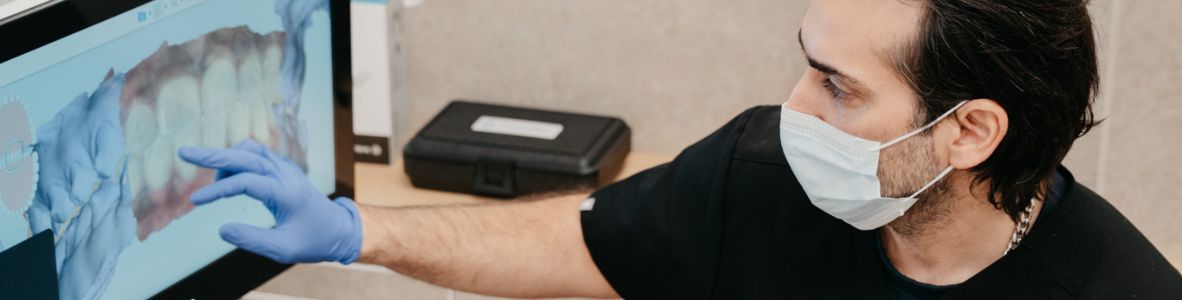
Advanced imaging allows us to see the exact position, depth, and orientation of impacted teeth before treatment begins.
Careful planning based on this information helps minimize risk and supports precise, controlled tooth movement.

A Supportive and Patient-Focused Approach
We understand that exposure procedures can feel intimidating, especially for teens and parents. Our team focuses on comfort, clear explanations, and a calm clinical environment. Adults are equally supported with thoughtful care and realistic guidance throughout treatment.

Clear Follow-Up and Communication
After the procedure, we clearly outline what happens next and when orthodontic movement will begin. Patients know who to contact if questions or concerns arise. Ongoing follow-up ensures healing is progressing properly and treatment stays on track.

FAQs
What does it mean when a tooth is impacted?

An impacted tooth is one that hasn’t erupted into the mouth because it’s blocked by gum, bone, or other teeth. The tooth is present but unable to come in on its own.
Which teeth are most commonly impacted?

Upper canine teeth are the most commonly impacted, followed by premolars and wisdom teeth. Canines are especially important for bite function and smile alignment.
Does every impacted tooth need exposure surgery?

No. Some impacted teeth can be safely monitored over time. Exposure is recommended when imaging shows the tooth is unlikely to erupt naturally or may affect nearby teeth.
Is exposure surgery safe for teens?

Yes. In fact, teens often respond more efficiently due to differences in bone development.
Can adults have exposure surgery too?

Yes. Adults can still achieve successful outcomes, though treatment may take longer and requires careful monitoring.
Is exposure surgery covered by insurance?

Many dental insurance plans provide coverage for oral surgery. Coverage varies, and pre-authorization may be required.

Contact Us Today!
Contact Burnaby Dentist and Orthodontist About Impacted Tooth Exposure in Burnaby
- Straighten crooked and misaligned teeth
- Conceal chips, cracks, and discoloured teeth
- Whiten and brighten your smile
- Take years off the look of your teeth
- Boost your self-esteem!
Monday
9 AM – 5 PM
Tuesday
8 AM – 5 PM
Wednesday
9 AM – 6 PM
Thursday
9 AM – 5 PM
Friday
9 AM – 5 PM
Saturday
9 AM – 4 PM