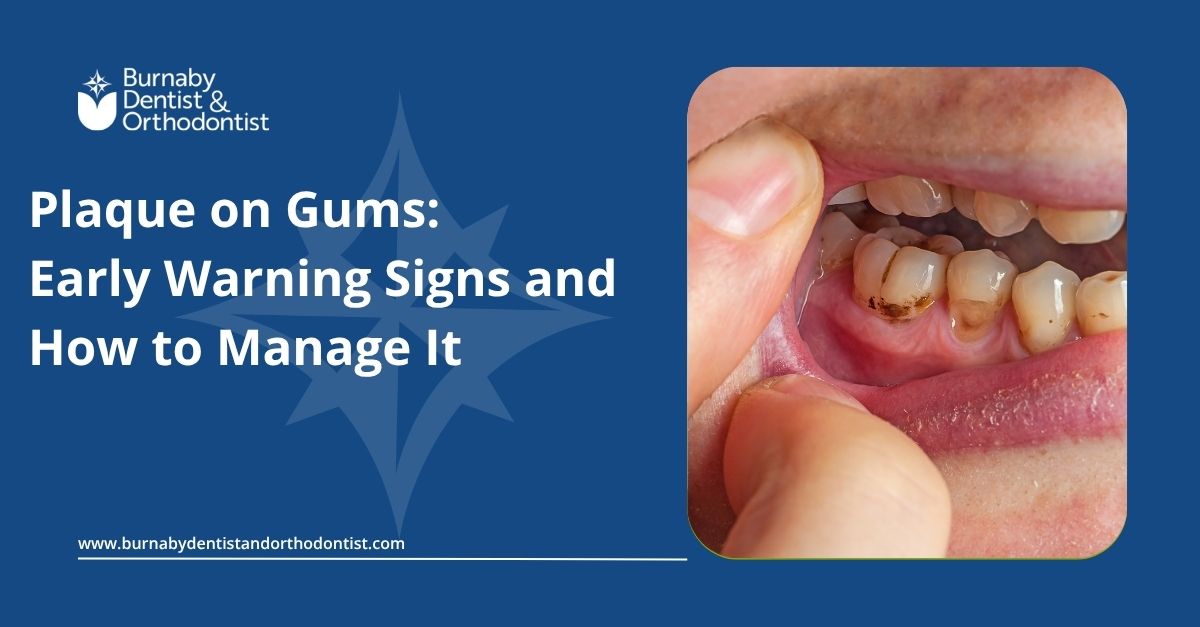
Bleeding when brushing, a sticky film along the gumline, or mild gum sensitivity are often early signs of changes linked to plaque on the gums. This buildup is a soft bacterial layer, also known as oral biofilm, that can naturally form in the mouth but may become more noticeable when it remains along the gumline.
While small amounts of biofilm are common, ongoing accumulation in harder to clean areas may contribute to gum irritation in some individuals over time. Early changes are often subtle, which can make it difficult to distinguish between routine plaque, hardened tartar, or early gum inflammation such as gingivitis.
Recognizing what is happening at the gumline can help make sense of these changes and support more informed decisions about daily care and when a dental assessment may be helpful.
At a Glance:
Plaque on gums is a natural bacterial biofilm that can lead to irritation if it builds up along the gumline. Early signs may include bleeding, redness, or bad breath. While brushing and flossing can help manage plaque, hardened buildup requires professional cleaning.
At Burnaby Dentist & Orthodontist, regular exams and preventive care can help identify and manage these changes early to support gum and oral health.
Plaque on Gums: What It Is, Why It’s Dangerous, and What to Do First
Plaque on the gums is a soft, sticky layer of bacteria that forms along the gumline. In clinical terms, it is known as oral biofilm, a naturally occurring buildup that develops throughout the day as bacteria mix with saliva and food particles.
Why It Can Become a Concern
When plaque is not regularly disrupted, it can accumulate near or under the gumline. In some individuals, this may contribute to irritation of the surrounding gum tissue, leading to early signs such as redness, swelling, or bleeding during brushing.
If this process continues over time, it may be associated with conditions like gingivitis and, in more advanced cases, periodontal disease.
The progression and severity can vary depending on individual factors and oral hygiene habits.
What to Do First
If you’re noticing early signs at the gumline, the first step is usually improving daily plaque control and monitoring for ongoing symptoms.
- Gently brush along the gumline twice daily using a soft-bristled toothbrush
- Clean between teeth daily with floss or interdental tools
- Avoid aggressive scrubbing or using sharp tools on the gums
- Monitor for ongoing symptoms such as bleeding or swelling
- Consider a dental evaluation if symptoms persist or worsen
Is Plaque on Gums Serious or Normal? When Biofilm Becomes a Health Risk
A thin layer of plaque forms on teeth and along the gumline every day, and in many cases this is a normal part of the oral environment. With regular brushing and interdental cleaning, this biofilm is usually disrupted before it causes noticeable issues.
Concerns may arise when plaque is allowed to remain along the gumline for extended periods. In some individuals, this can lead to a more active biofilm that interacts with gum tissues.
It is not always easy to distinguish between routine plaque and buildup that may be affecting gum health. Factors such as brushing technique, frequency of cleaning between teeth, and individual response to bacteria can all influence how the gums react.
Plaque may be more likely to become a concern when:
- Bleeding occurs regularly during brushing or flossing
- Gums appear consistently red or swollen
- There is ongoing bad breath that does not improve with routine care
- A sticky or filmy sensation persists near the gumline
While these signs do not confirm the presence of gum disease, they may indicate that the biofilm is no longer being effectively managed at home. A dental assessment can help determine whether the gums are within a healthy range or showing early signs of inflammation.

Begin Your Smile Journey With Dr. Sasan Hadianfar
How to Tell If You Have Plaque on Your Gums (Early Signs Most People Miss)
Early plaque buildup along the gumline is not always obvious. In many cases, it develops gradually and may only become noticeable once the gums begin to react. Paying attention to small visual changes and subtle symptoms can help you catch early signs.
Visual & Physical Clues
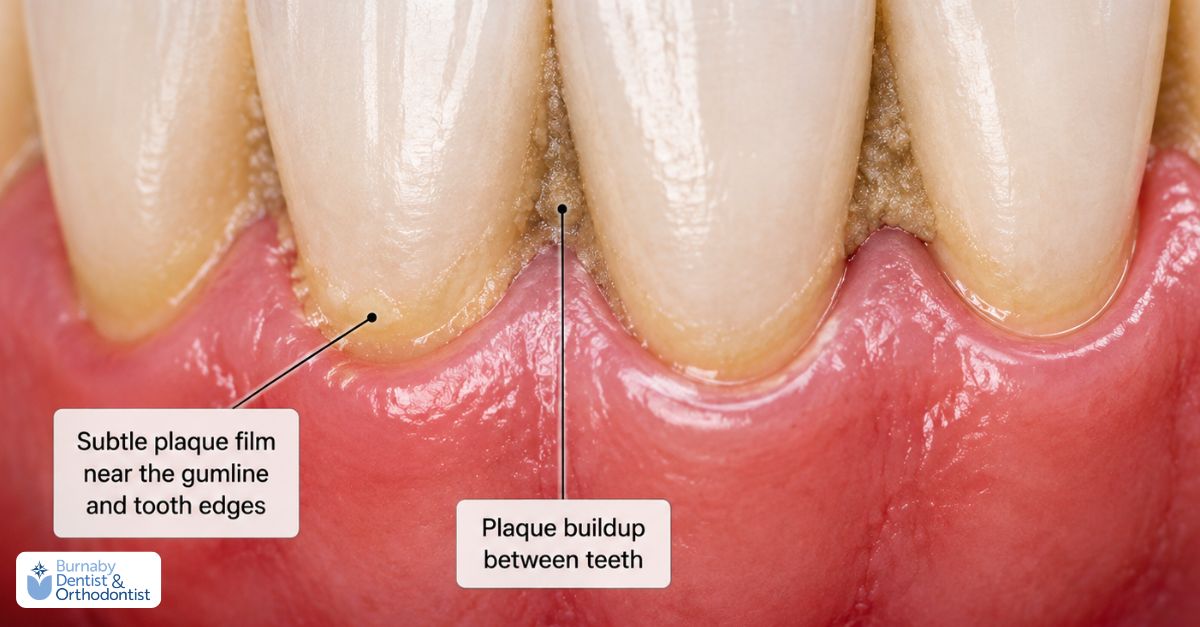
Plaque typically collects where the teeth meet the gums. You may notice:
- A pale yellow or off-white film near the gumline
- A dull or less smooth tooth surface
- A slightly “fuzzy” feeling when running your tongue along the teeth
- Buildup in harder to reach areas, such as between teeth
Symptom-Based Warning Signs
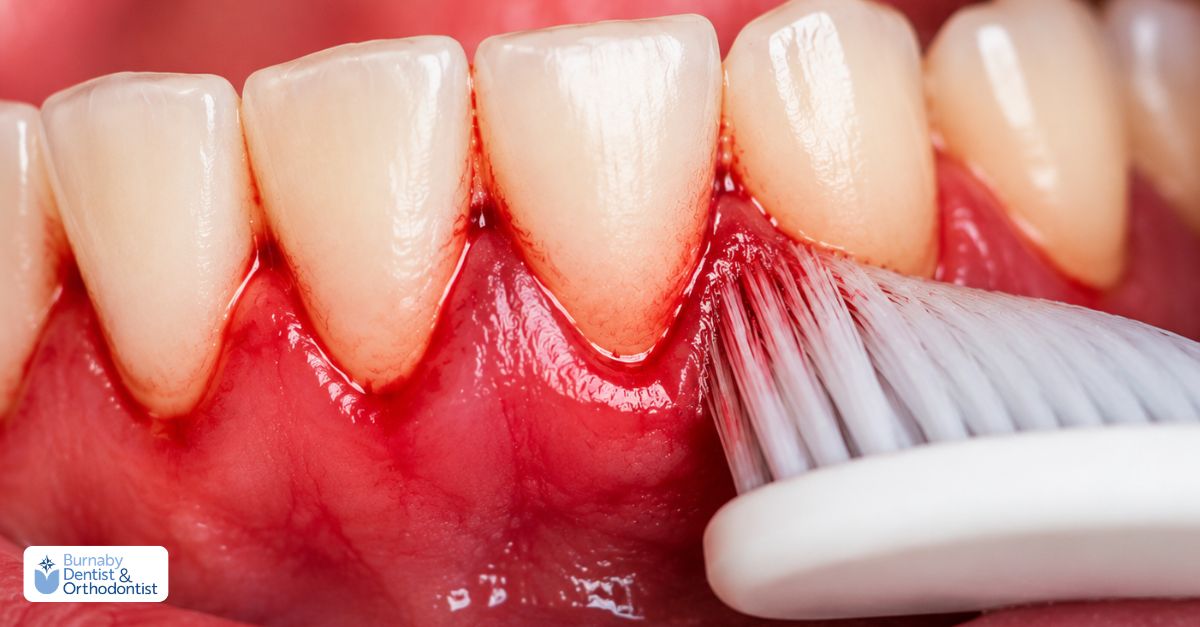
As plaque remains near the gums, some people may experience:
- Bleeding during brushing or flossing
- Mild swelling along the gum edges
- Tenderness when cleaning the gums
- Ongoing bad breath (halitosis)
Why Plaque Builds Up on Gums Instead of Just Teeth
Plaque does not form only on the flat surfaces of teeth. The area where the teeth meet the gums creates conditions that can make buildup more likely, especially if it is not cleaned thoroughly on a regular basis.
The Role of the Gumline Environment
The gumline forms a small, natural crevice around each tooth. This space can trap food particles and bacteria more easily than exposed tooth surfaces. Because it is slightly sheltered, plaque in this area may be less likely to be removed by casual brushing alone.
Saliva, Bacteria, and Biofilm Adhesion
Plaque begins to form when naturally occurring bacteria in the mouth interact with foods that contain sugars or starches, such as bread, pasta, fruit, milk, or soft drinks.
These bacteria can break down carbohydrates and release acids. When brushing is delayed after eating or drinking, this combination of bacteria, acids, and food particles can contribute to the formation of a sticky, colorless film along the teeth and gumline.
Saliva also plays a role in this process. It contains proteins that can help this film adhere to oral surfaces, allowing the biofilm to attach to both teeth and gums.
Brushing Mistakes That Push Plaque Toward the Gums
In some cases, daily habits may unintentionally contribute to plaque staying near the gumline. This can include:
- Brushing only the flat surfaces of the teeth and missing the gumline
- Using a brushing angle that does not reach under the gum margin
- Brushing too quickly or inconsistently
- Avoiding flossing or cleaning between teeth
Small adjustments in technique may help improve how effectively plaque is removed from these areas.
Plaque on Gums Is Not “Dirt”: Understanding Oral Biofilm Behavior
Referring to plaque as “dirt” can be misleading. It is a living, organized biofilm made up of bacteria that attach to surfaces in the mouth and interact with each other. This structure influences how it behaves and why it can be more difficult to manage than it appears.
What Makes Biofilm Hard to Remove
One of the more challenging aspects of oral biofilm is its resilience. As it matures, it can become less responsive to antimicrobial agents and some mouth rinses.
This is partly because the bacterial community within the biofilm can interact and adapt, creating a more stable structure that is harder to disrupt.
Biofilm can also begin to reform relatively quickly after it has been removed, including after professional cleanings. For this reason, consistent daily oral hygiene plays an important role in managing how much biofilm accumulates along the gumline over time.
Why Rinsing Alone Doesn’t Work
Mouth rinses can reduce bacteria in the mouth, but they do not reliably remove biofilm once it is attached to teeth and gums. Because biofilm is structured and adherent, it usually needs mechanical disruption to be managed effectively.
More consistent control is typically seen when rinsing is combined with brushing, daily interdental cleaning, regular dental visits, and reducing frequent sugar intake.
How Biofilm Protects Harmful Bacteria
Within a biofilm, bacteria exist in a shared environment that can offer a degree of protection. This structure may make it easier for certain bacteria to persist near the gumline, even when exposed to saliva or oral care products.
What Happens If Plaque on Gums Is Left Untreated?
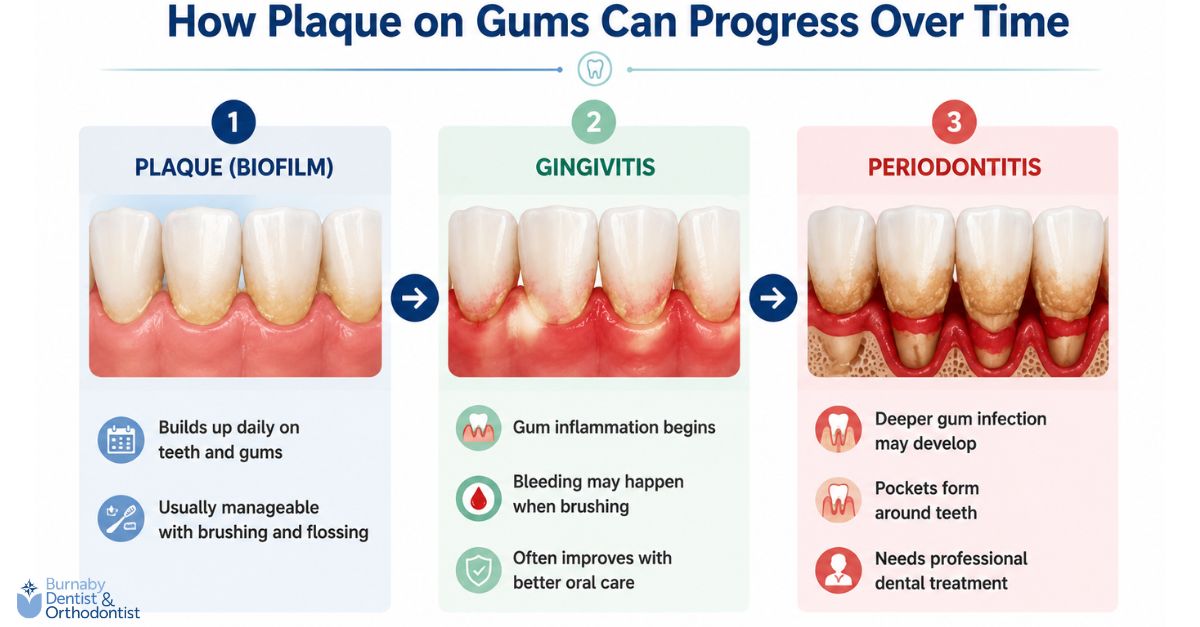
When plaque remains along the gumline over time, it may begin to affect the surrounding tissues. The progression can vary between individuals, but it often follows a general pattern if not managed.
Plaque → Gingivitis (Reversible Stage)
In the earlier stage, plaque buildup may contribute to gingivitis, which is characterized by gum inflammation. Common signs can include redness, swelling, and bleeding during brushing or flossing.
At this stage, the changes are often considered manageable with improved home care and professional support.
Gingivitis → Periodontitis (More Advanced Changes)
If inflammation persists, it may progress to periodontitis, where deeper structures supporting the teeth can become involved.
This stage may include the formation of pockets between the teeth and gums, where bacteria can continue to accumulate. Management typically becomes more complex and may require ongoing professional care.
Bone Loss, Recession, and Tooth Stability
In more advanced cases, untreated periodontal disease may be associated with changes such as gum recession or gradual loss of supporting bone around the teeth.
Over time, this can affect how stable the teeth feel. The extent and progression can differ widely, which is why early assessment and periodontal care are important.
Plaque vs Tartar vs Gingivitis: What’s the Difference at the Gumline?
These terms are often used interchangeably, which can make gum concerns harder to understand. While they are related, they describe different stages or conditions at the gumline.
Plaque (Biofilm)
A soft, sticky layer of bacteria that forms on teeth and along the gumline throughout the day. It is usually colorless and can often be managed with consistent brushing and interdental cleaning.
Tartar (Calculus)
Tartar is hardened plaque that forms when soft plaque mineralizes over time. It can develop above or below the gumline and often appears as a rough yellow or brown deposit.
Unlike soft plaque, tartar cannot be removed with brushing or flossing alone and usually requires professional scaling.
Gingivitis
A response of the gum tissue to plaque buildup. It is commonly associated with redness, swelling, and bleeding during brushing or flossing. Gingivitis describes inflammation rather than the buildup itself.
In simple terms, plaque is the starting point, tartar is hardened plaque, and gingivitis is how the gums may respond to that buildup.
How to Remove Plaque on Gums Safely (What Works — and What Doesn’t)
Managing plaque at the gumline involves a combination of consistent home care and professional support when needed. Not all buildup can be addressed the same way, and using the wrong approach may do more harm than good.
What You Can Remove at Home
Soft plaque can often be managed with daily oral hygiene habits, including:
- Brushing twice daily with a soft-bristled toothbrush, angling toward the gumline
- Using fluoride toothpaste to clean all tooth surfaces thoroughly
- Cleaning between teeth daily with floss or interdental brushes
- Maintaining consistent routines, especially after meals or before bed
These steps help disrupt biofilm before it has a chance to harden or accumulate further.
What Only a Dentist Can Remove
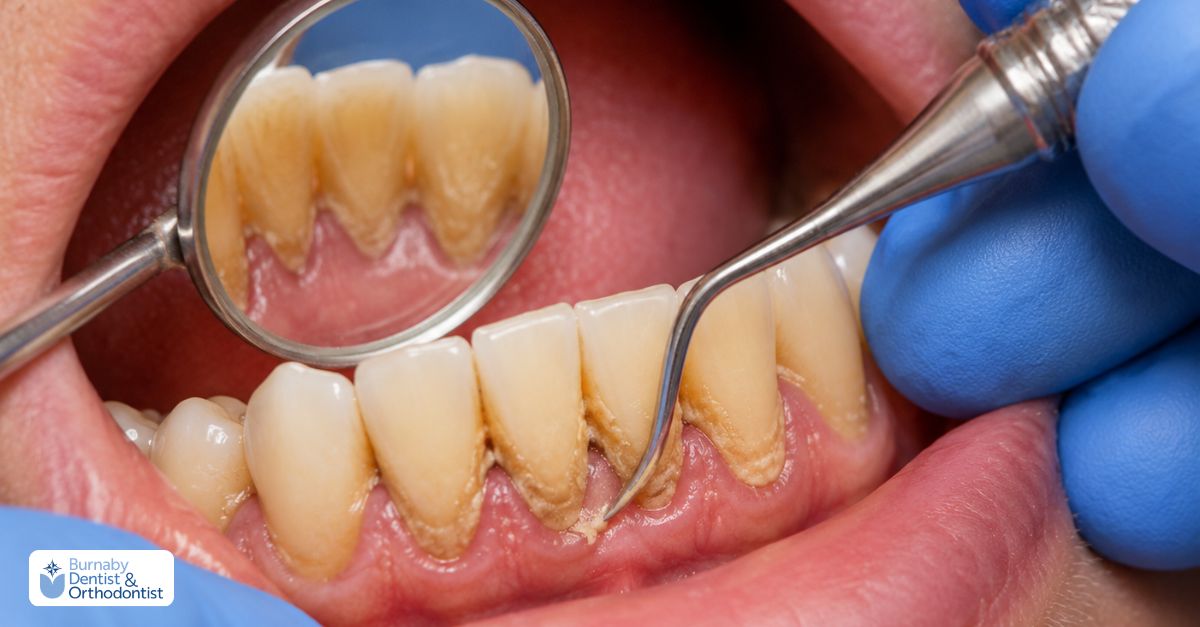
When plaque is left undisturbed, it can harden into tartar (calculus). This type of buildup:
- Cannot be removed with brushing or flossing
- May extend below the gumline
- Often requires specialized instruments for safe removal
Dental professionals use scaling techniques during cleanings to remove tartar and assess gum health.
Why Scraping or DIY Tools Make It Worse
At-home scraping tools or improvised methods may seem helpful, but they can increase the risk of:
- Gum irritation or injury
- Damage to enamel surfaces
- Pushing bacteria further below the gumline
Without proper training and visibility, it is difficult to remove buildup safely or completely. A professional evaluation is usually the more reliable way to address persistent plaque or tartar concerns.
When Plaque on Gums Requires Professional Dental Treatment
Home care is important for managing plaque, but it may not always be enough to address buildup at the gumline. In some cases, professional care can help assess and manage areas that are difficult to reach or slow to improve.
Signs Home Care Is No Longer Enough
A dental evaluation is recommended if you notice:
- Bleeding that continues despite regular brushing and flossing
- Ongoing gum redness or swelling
- Hard or rough buildup near the gumline
- Persistent bad breath
How Long Is Too Long to Wait
If symptoms persist for more than a week or two despite consistent oral hygiene, a professional assessment may be helpful. Some changes at the gumline can develop gradually and may not resolve without targeted care.
If you’re noticing ongoing gum changes or are unsure whether plaque buildup has progressed, our team at Burnaby Dentist & Orthodontist can assess your gum health and provide personalized guidance based on clinical findings. Professional cleanings, gum evaluations, and preventive care plans are available to help support your gum health at every stage.
How Dentists Remove Plaque and Biofilm from the Gumline
When plaque hardens into tartar or collects in areas that are difficult to clean at home, professional care may be needed. Dental cleanings and scaling help remove buildup from tooth surfaces and around the gumline while also allowing the dental team to assess gum health.
Professional Scaling Explained
Scaling involves removing plaque and tartar from tooth surfaces and along the gumline using professional dental instruments. This helps disrupt biofilm and remove hardened deposits that cannot be brushed or flossed away at home.
Gum Measurements and Risk Assessment
During a gum assessment, pocket depths, bleeding points, recession, and buildup patterns may be reviewed. These findings help determine whether the gums are showing early inflammation or signs that require more focused periodontal care.
Preventing Re-Attachment of Biofilm
After professional cleaning, plaque can begin forming again within hours. Long-term control depends on daily brushing, interdental cleaning, regular hygiene visits, and personalized instruction based on where buildup tends to return.
How Burnaby Dentist & Orthodontist Approaches Plaque and Gum Health
At Burnaby Dentist & Orthodontist, we assess plaque and gum health as part of a broader focus on supporting long-term oral stability. Since plaque buildup and gum response can vary from person to person, we tailor care based on individual risk factors, current gum condition, and changes observed over time.
Early Detection Philosophy
Early identification of gum changes is an important part of our approach. We use comprehensive exams, gum measurements, and dental X-rays when clinically appropriate to assess oral health and identify changes that may not be visible during a standard visual exam.
Oral cancer screenings and ongoing gum health monitoring are also included as part of preventive care, helping us identify changes early and support timely intervention when appropriate.
Patient-Specific Hygiene Planning
We provide personalized oral hygiene recommendations based on each patient’s needs. This may include guidance on brushing technique, flossing or interdental cleaning methods, and practical at-home routines to help support healthier gums between visits.
Because plaque accumulation and gum response can differ based on oral hygiene habits, gum condition, and individual risk factors, we adjust care plans accordingly. This often includes tailored instruction and regular professional cleanings (prophylaxis) as needed.
Long-Term Gum Disease Prevention
Preventive dental care remains a key focus of our approach. Regular cleanings and ongoing monitoring help manage plaque and tartar buildup over time and support overall gum health.
How to Prevent Plaque from Returning to Your Gums
Keeping plaque under control is largely about consistency rather than intensity. Small, regular habits below can help reduce buildup along the gumline.
Brushing Techniques That Protect the Gumline
Brushing twice daily with a soft-bristled toothbrush can help disrupt plaque before it hardens. A gentle angle toward the gumline is often recommended to help clean where the tooth meets the gum.
Flossing vs Interdental Brushes
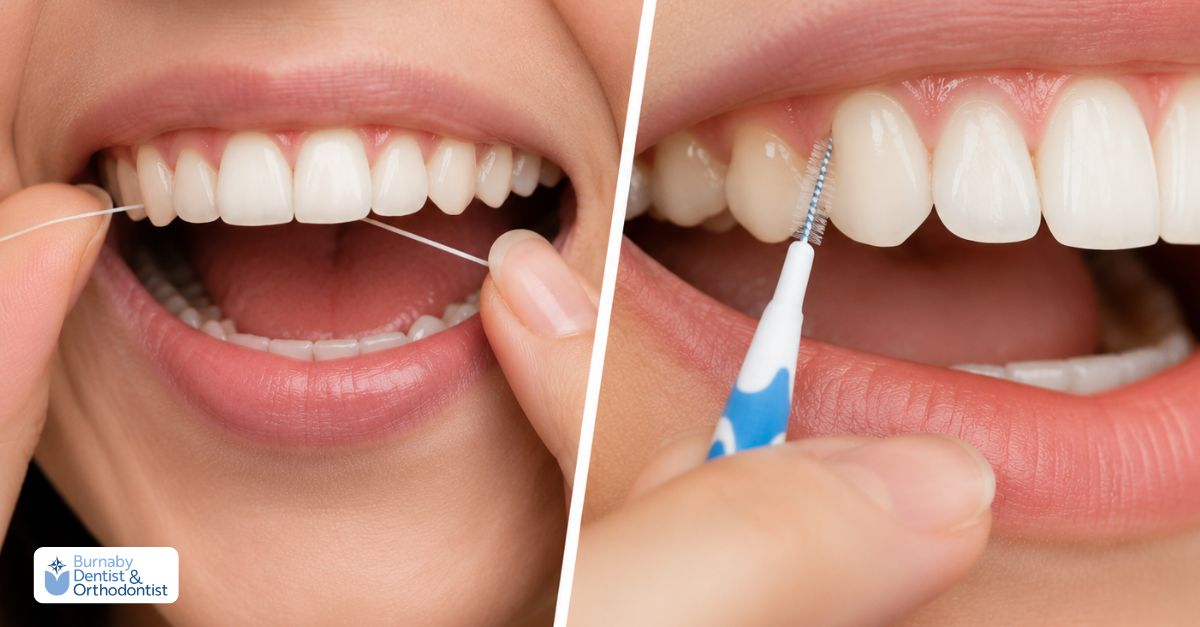
Both floss and interdental brushes can help clean between teeth, where plaque commonly accumulates. Floss is often useful for tighter spaces, while interdental brushes may be more effective for slightly larger gaps or around dental work. The best option can vary depending on individual spacing and gum health.
Frequency of Professional Cleanings
Regular dental cleanings help remove hardened plaque (tartar) that cannot be addressed at home. The ideal frequency varies from person to person. For many patients, routine visits every six months may be recommended, though some may benefit from more frequent care based on individual needs.
The Bottom Line: Plaque on Gums Is Treatable — If You Act Early
Plaque along the gumline is a common concern, and it is often manageable with consistent home care and timely dental visits.
Early signs like bleeding or mild gum sensitivity do not always indicate a serious problem, but they can suggest that the gums may need closer attention.
When identified early, plaque-related gum changes are often easier to manage through improved oral hygiene and preventive care. If symptoms persist, a dental assessment can help determine what is happening and guide appropriate next steps.
For patients in Burnaby and surrounding areas, Burnaby Dentist & Orthodontist provides gum health evaluations, professional cleanings, and preventive dental care.
Contact us to have your gum health assessed and receive personalized guidance on managing plaque and supporting long-term gum health.
📍 3999 Kingsway, Burnaby, BC V5H 1Y8
📞 +1 (604) 437-7723
📧 info@burnabydentistandorthodontist.com
Mon: 09:00 – 17:00
Tue: 08:00 – 17:00
Wed: 09:00 – 18:00
Thu – Fri: 09:00 – 17:00
Sat: 09:00 – 16:00
Sunday: Closed
Why do my gums bleed when I brush?

Bleeding gums are often linked to inflammation caused by plaque buildup. While it can be an early sign of gingival irritation, it may also be influenced by brushing technique or oral hygiene habits.
Can plaque on gums go away with brushing alone?
Soft plaque can often be managed with consistent brushing and flossing. However, once it hardens into tartar, it usually requires professional cleaning to remove.
What is the difference between plaque and tartar?
Plaque is a soft bacterial film that forms daily. Tartar is hardened plaque that has mineralized over time and cannot be removed with brushing or flossing alone.
Does mouthwash remove plaque on gums?
Mouthwash can help reduce bacteria in the mouth, but it does not reliably remove plaque that is already attached to the teeth and gumline. Mechanical cleaning is still essential.
What happens if plaque on gums is not removed?
If plaque is not removed, it may contribute to gum inflammation such as gingivitis. In some cases, this can progress to more advanced gum disease if left unmanaged.
How quickly does plaque form?
Plaque can begin forming within hours after eating or drinking, especially when oral hygiene is not performed regularly.
Can plaque on gums cause bad breath?
Yes, bacteria in plaque can produce odours that contribute to persistent bad breath, especially when buildup is present along the gumline.