

If you’ve recently had gum graft surgery in Burnaby or you’re preparing for one, what you eat in the days that follow can make all the difference.
A gentle, nutrient-rich diet helps your gums heal faster, reduces discomfort, and protects the graft as it integrates. The challenge? Knowing what’s safe, what to avoid, and when you can return to your regular meals. At Burnaby Dentist & Orthodontist, we guide every patient through a recovery plan designed to make healing easier, one soft bite at a time.
If you’re looking for supportive care for yourself or your family during treatment, our clinic as a family dental centre in burnaby is a perfect choice.
At a Glance:
After gum graft surgery, focus on soft, cool, and nutrient-rich foods to protect your graft and speed up recovery. Smooth soups, mashed vegetables, yogurt, eggs, and protein shakes are ideal for the first two weeks.
Avoid anything hot, hard, sticky, spicy, or acidic; these can irritate your gums or dislodge the graft. Keep meals lukewarm, chew on the opposite side, and follow your dentist’s hygiene instructions carefully.
You’re ready to return to normal eating once your gums feel stable and your dentist confirms full healing.
Why Your Diet Matters After Gum Graft Surgery

What you eat after gum graft surgery greatly influences how smoothly your gums heal, just as it does during tooth extraction recovery.
In the first few weeks, the surgical area is delicate, and even small actions like chewing hard foods or sipping through a straw can interfere with healing. A well-planned diet helps protect the tissue, minimize inflammation, and provide the nutrients needed to restore strong, resilient gums.
After gum grafting, your mouth goes through several overlapping phases of healing: inflammation control, tissue regeneration, and reattachment. During this period, soft, nutrient-dense foods supply essential vitamins and proteins to help tissue repair while minimizing irritation. Think of your diet as part of your recovery treatment, not just something to “get through.”
At Burnaby Dentist & Orthodontist, we emphasize dietary guidance as part of every gum graft plan. Our team provides personalized food recommendations based on your procedure, sensitivity level, and healing pace. By following these instructions, you protect your graft, stay comfortable, and give your gums the best chance at long-term success.
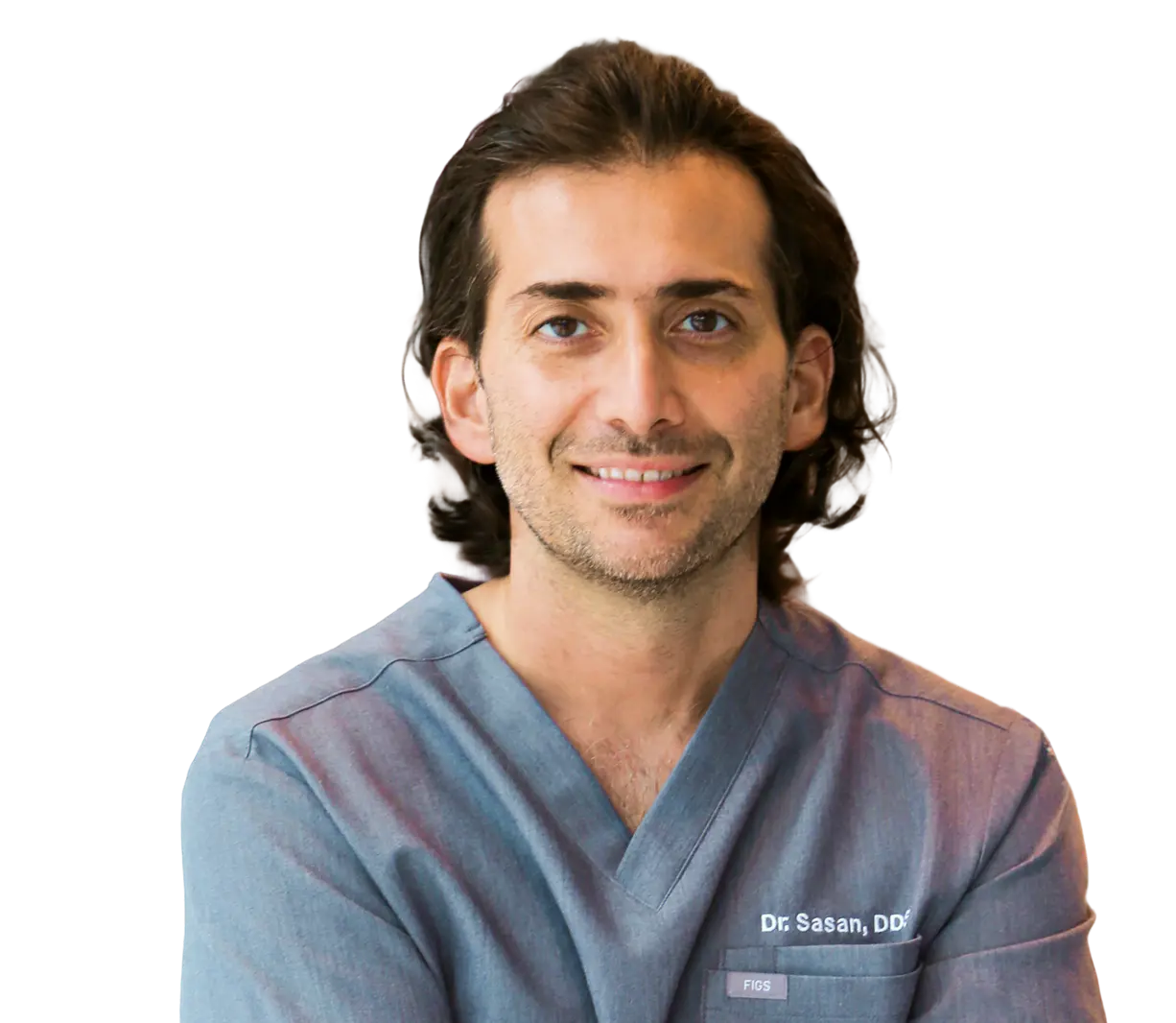
Begin Your Smile Journey With Dr. Sasan Hadianfar
Gum Graft Recovery Timeline: What to Eat Day by Day
Your diet after gum graft surgery should adapt to each stage of healing. What’s safe to eat on day one isn’t the same as what your gums can handle two weeks later.
| Healing Phase | Time Frame | Diet Focus | Recommended Foods |
| Phase 1: Cold Liquids Only | First 48 Hours | Hydration and Soothing | Smoothies (Fruit + Yogurt), Milkshakes, Yogurt, Cooled Broths |
| Phase 2: Soft Foods and Gentle Chewing | Days 3–14 | Gentle Nourishment | Scrambled Eggs, Mashed Potatoes, Oatmeal, Soft Fruits (Banana, Avocado), Yogurt |
| Phase 3: Transition Back to Regular Meals | After 14 Days | Gradual Return to Solids | Soft Proteins (Fish, Tofu), Tender Vegetables (Carrots, Spinach, Squash) |
First 48 Hours – Cold Liquids Only
Start with cool, soothing liquids to stay hydrated and avoid irritation.
✔ Smoothies (made with fruit, yogurt, and milk or plant-based alternatives): Easy to sip and packed with vitamins (no straws allowed).
✔ Yogurt, pudding, or milkshakes: Rich in protein and calcium with a soft texture.
✔ Broths and cooled soups: Light, hydrating, and great as a base for blended vegetables.
Days 3–14 – Soft Foods and Gentle Chewing
Once the initial swelling subsides, you can slowly introduce soft foods. Focus on creamy textures and low-chew options like scrambled eggs, mashed potatoes, yogurt, oatmeal, and smoothies with soft fruits (bananas, avocado).
Chew on the opposite side of the surgical site and rinse gently with saltwater after eating to prevent debris buildup.
If you had a connective tissue or free gingival graft, healing may take longer, so continue the soft diet for up to two weeks.
Always follow your dentist’s instructions before advancing to solid foods.
After 14 Days – Transitioning Back to Regular Meals
Around the two-week mark, your gums usually begin to stabilize, allowing you to reintroduce soft proteins like fish or tofu and tender vegetables such as cooked carrots, spinach, or squash.
Continue avoiding hard, crunchy, or sticky foods until your dentist confirms your gums have fully healed during a follow‑up visit. This is one example of why you may need a dental checkup after gum graft surgery.
As sensitivity fades, you can gradually return to your normal diet, but taking it slow prevents irritation and supports lasting recovery.
Best Soft Foods to Eat After Gum Graft Surgery
Eating well after a gum graft doesn’t have to mean sacrificing nutrition. The key is choosing foods that are gentle in texture yet rich in vitamins and minerals that support tissue repair. A balanced soft-food diet helps you stay energized, manage inflammation, and accelerate gum healing without irritation.
Protein and Vitamin-Rich Options
Proteins are the building blocks of new tissue, while vitamins, especially A, C, and K, support cell repair and immune function.
Go for soft, nourishing options such as:
- Scrambled Eggs or Omelets
- Greek Yogurt or Cottage Cheese
- Soft-Cooked Fish Like Salmon or Cod
- Blended Lentil or Bean Soups
- Smooth Tofu or Hummus
Each of these choices delivers protein and micronutrients essential for collagen formation and gum regeneration.
Smoothie and Soup Ideas (Without Using Straws)
Smoothies and soups are excellent for the first few days post-surgery. Choose lukewarm or cool blends to avoid irritating the graft. Examples include:
- Banana, Avocado, and Oat Smoothie with Almond Milk
- Blended Butternut Squash Soup or Cream of Mushroom Soup
- Greek Yogurt and Berry Blend with Chia or Flaxseed for Added Nutrients
Vegetarian and Plant-Based Options
If you follow a plant-based diet, you can still maintain a healing-friendly meal plan. Try:
- Mashed Sweet Potatoes or Pumpkin Puree
- Oatmeal with Mashed Banana
- Soft Lentil Stew or Pureed Vegetable Soup
- Silken Tofu with a Drizzle of Olive Oil
These foods deliver iron, fibre, and antioxidants, all vital for post-surgical recovery.
Foods and Habits to Avoid After Gum Grafting (and Why)
The first few weeks after gum graft surgery are all about protecting the graft and supporting its healing. Certain foods and habits can disrupt this progress, leading to irritation, delayed recovery, or even graft failure. Knowing what to avoid is just as important as knowing what to eat.

Hard and Crunchy Foods
Avoid anything that requires strong biting or chewing, such as nuts, chips, hard bread, and raw vegetables. These can scrape or irritate the healing area, especially if food particles get trapped along the graft line. Stick with soft, smooth foods until your dentist confirms that the tissue has stabilized.
Hot, Spicy, or Acidic Foods
Temperature and acidity both affect sensitivity. Hot soups, spicy sauces, citrus juices, and vinegary dressings can cause discomfort and inflammation at the surgical site. For at least two weeks, keep foods at room temperature and choose mild seasonings to prevent irritation.
Sticky or Chewy Foods
Items like caramel, gummy candies, or dense bread can adhere to your gums or stitches, increasing the risk of pulling on the graft. Even soft but sticky foods like peanut butter should be consumed carefully or avoided entirely during early healing.
Using Straws or Smoking
Both actions create suction, which can loosen the graft or disrupt sutures. Smoking also restricts blood flow and oxygen, slowing down tissue repair and increasing the risk of infection. Avoid all suction-related habits for a minimum of 2–3 weeks, or as directed by your dentist.
Skipping Oral Hygiene
While brushing directly over the graft is discouraged, avoiding oral hygiene altogether is risky. You should gently rinse with saltwater solution after meals.
Healing depends on consistency; every cautious choice supports a smoother recovery and a stronger, more resilient gum line.
Can I drink coffee after gum graft surgery?
You can, but timing matters. Avoid hot coffee for the first few days, as heat can irritate the surgical area. Opt for room-temperature or cool coffee until your gums have begun to heal.
Is soup safe to eat?
Yes soups are an excellent post-surgery meal choice as long as they’re not too hot or chunky. Choose smooth, lukewarm soups, such as pureed vegetables or bone broth, to avoid irritating the graft.
Begin Your Smile Journey With Dr. Sasan Hadianfar
How to Eat Safely After Gum Graft Surgery

The first few weeks after your gum graft are about protection, not perfection. Even if your mouth feels fine, the grafted tissue is still integrating. How you eat during this time is just as important as what you eat.
Take small bites, chew on the opposite side of the graft, and let your food cool to room temperature before eating. Using utensils instead of biting directly into foods (like sandwiches or apples) can also help minimize tension on the healing area.
How to Clean Your Mouth After Eating
Post-meal hygiene needs to be gentle but consistent. Rinse your mouth with a mild saltwater solution or an antimicrobial rinse prescribed by your dentist. Swish lightly, never forcefully, to avoid disrupting healing tissue.
If debris gets trapped around the area, use a soft dental sponge or gauze pad to gently wipe it away. After one to two weeks, your dentist will let you know when it’s safe to resume brushing around the graft. For now, think of the healing site as delicate new skin. Clean it carefully, keep it protected, and avoid anything abrasive.
Vitamins and Supplements That Support Gum Graft Healing
Nutrition isn’t just about avoiding the wrong foods; it’s also about giving your body what it needs to rebuild tissue efficiently. Specific vitamins and supplements can play a measurable role in how quickly and smoothly your gums recover after graft surgery.

Key Nutrients That Promote Healing
Vitamin C supports collagen production and strengthens connective tissue, helping the graft integrate successfully. Vitamin A aids in cell repair and keeps your gums resilient, while zinc and iron support wound healing and immune defence. If your diet is limited post-surgery, a balanced multivitamin can help fill in nutritional gaps until you’re back to full meals.
Collagen Peptides and Omega-3 Fatty Acids
Collagen peptides are especially helpful during gum graft recovery. They provide amino acids that directly support new tissue formation and reinforce the graft’s stability. Many patients mix collagen powder into smoothies or soft foods to make it easy to consume without chewing.
Omega-3 fatty acids found in fish oil, chia seeds, or flaxseed can help reduce inflammation and support gum health at a cellular level. When used consistently, they may also improve blood flow and tissue regeneration.
Always confirm any supplement use with your dentist or physician, especially if you take prescription medication or have chronic health conditions.
Signs of Healthy vs Delayed Healing
Healing after a gum graft doesn’t happen overnight; it’s a gradual process that unfolds over several weeks. Knowing what’s normal and what’s not helps you track your progress confidently and avoid complications before they develop.
Normal Healing Signs
In the first few days, mild swelling, tenderness, and slight bleeding are expected. These should steadily improve within a week.
As healing progresses, you may notice:
- A light pink or slightly whitish appearance over the graft (a protective tissue layer)
- Reduced sensitivity or discomfort after one to two weeks
- Firm, stable tissue where the graft was placed
- No unusual odour, discharge, or persistent pain
By weeks three to four, the gum should begin to blend in colour and texture with the surrounding tissue, indicating healthy integration.
When to Contact Your Dentist
If healing slows or changes unexpectedly, it’s best to reach out sooner rather than later. Warning signs that may indicate delayed or compromised healing include:
- Increasing pain or swelling after the first few days
- Persistent bleeding or pus around the graft site
- A loose or receding graft
- Fever, bad taste, or foul odour from the area
These symptoms can point to infection or irritation that needs prompt professional care. Even if you’re unsure, a quick call or follow-up appointment can ensure your recovery stays on track.
When and How to Resume a Normal Diet After Gum Grafting

Here’s a quick way to gauge your readiness:
You’re ready if:
- Your graft site feels stable, with no tenderness or swelling.
- Chewing on the opposite side feels completely comfortable.
- Your gums look pink and blend naturally with the surrounding tissue.
- You’ve had your follow-up appointment, and your dentist has cleared you to resume normal eating.
Avoid if:
- You still feel pulling, soreness, or sensitivity near the graft.
- Foods irritate the area or cause minor bleeding.
- The graft looks pale, shiny, or uneven compared to nearby tissue.
- You haven’t yet received professional confirmation that healing is complete.
This careful approach protects your gums and ensures the graft heals properly for lasting strength.
Expert Gum Graft and Post-Surgery Support in Burnaby

At Burnaby Dentist & Orthodontist, we understand that gum graft recovery is more than a healing process; it’s a partnership.
Every patient’s journey is carefully planned from consultation to post-surgery follow-up to ensure long-term stability, comfort, and confidence in your smile.
Our periodontic and restorative teams work closely to monitor every stage of healing. Using advanced digital tools such as
Diagnocat AI imaging and NIRI technology built into our iTero scanners, we assess tissue integration and identify any concerns early. This allows for precise adjustments and a faster return to normal function.
We also emphasize comfort-focused care. From customized home-care guidance to scheduled follow-ups, our goal is to help you recover safely and maintain your results. Whether your graft was performed for recession, aesthetics, or functional support, we tailor every step to your unique condition and long-term gum health.
Our commitment includes:
- Thorough pre- and post-operative planning for predictable outcomes
- Oral sedation options for a relaxed surgical experience (no nitrous oxide offered)
- Access to preventive dental services in Burnaby and ongoing periodontal maintenance programs
- Guidance on nutrition and supplements to reinforce recovery
Healthy gums are the foundation of every confident smile. With expert care, grafted tissue can remain strong and natural-looking for years.
Conclusion
Healing after a gum graft takes time and care. At Burnaby Dentist & Orthodontist, we ensure a smooth recovery by closely monitoring your progress. From your first follow-up to your final check-in, we provide guidance on diet, hygiene, and recovery milestones.
We use advanced diagnostic tools like Diagnocat and NIRI technology, along with our extensive periodontal experience, to promote predictable graft healing and maintain a strong smile. Whether you are preparing for a procedure or have just completed one, our team is dedicated to ensuring your comfort, health, and confidence throughout the process.
If you’re searching for a dentist near Metrotown Mall or a Dentist Near Brentwood who offers advanced gum care and personalized treatment planning, our experienced team is here to help.
Book your consultation today to receive personalized plan and ongoing support from Burnaby’s specialists in gum health and restorative dentistry.