

TMJ / TMD Treatment (Nightguards & Bite Splints) in Burnaby
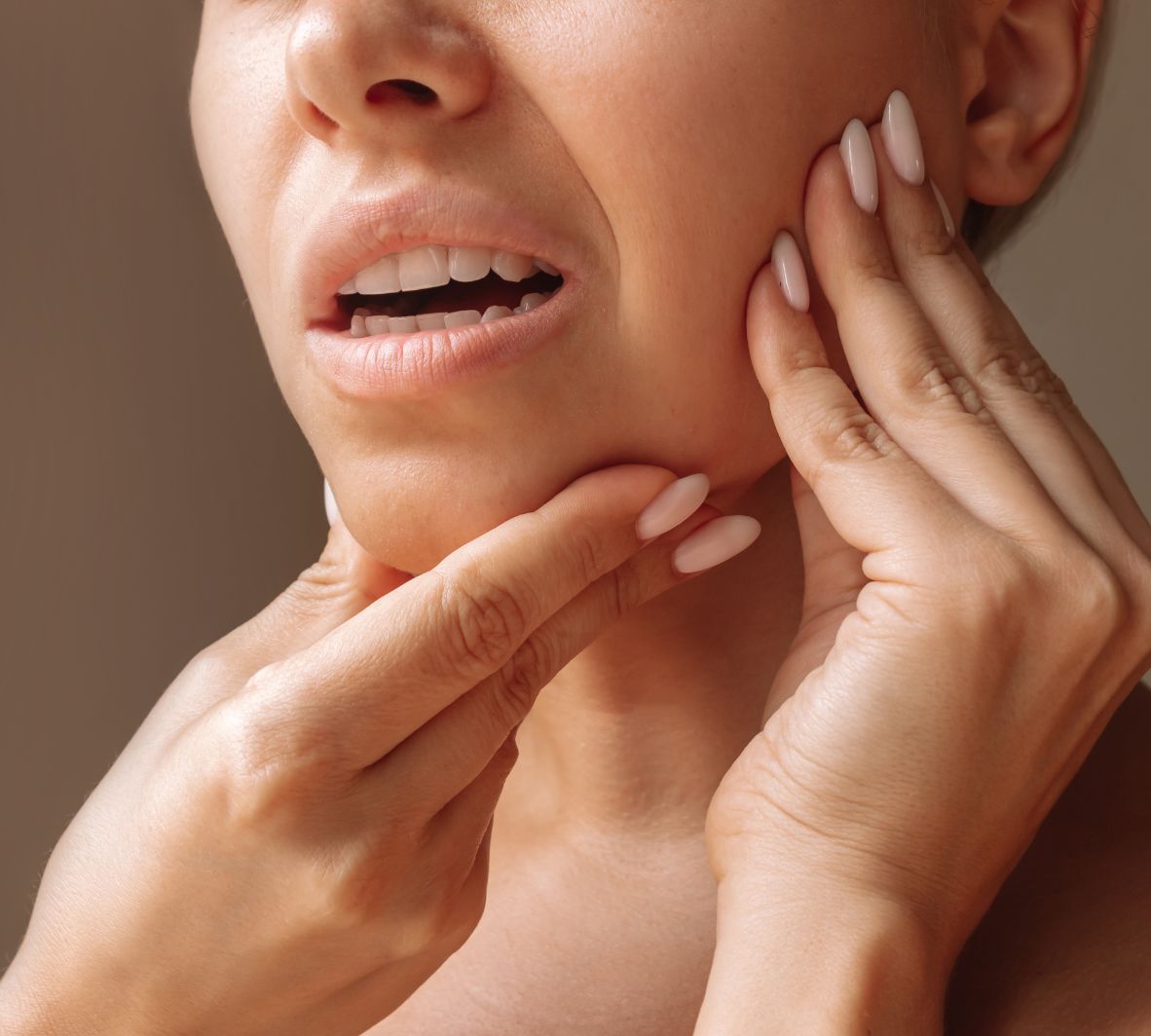
Jaw pain, clicking, or facial tension can be frustrating and often hard to pinpoint. These symptoms are commonly linked to TMJ / TMD (temporomandibular joint disorders), a condition affecting the joints and muscles that control jaw movement. This is a common condition and, in many cases, manageable with conservative care.
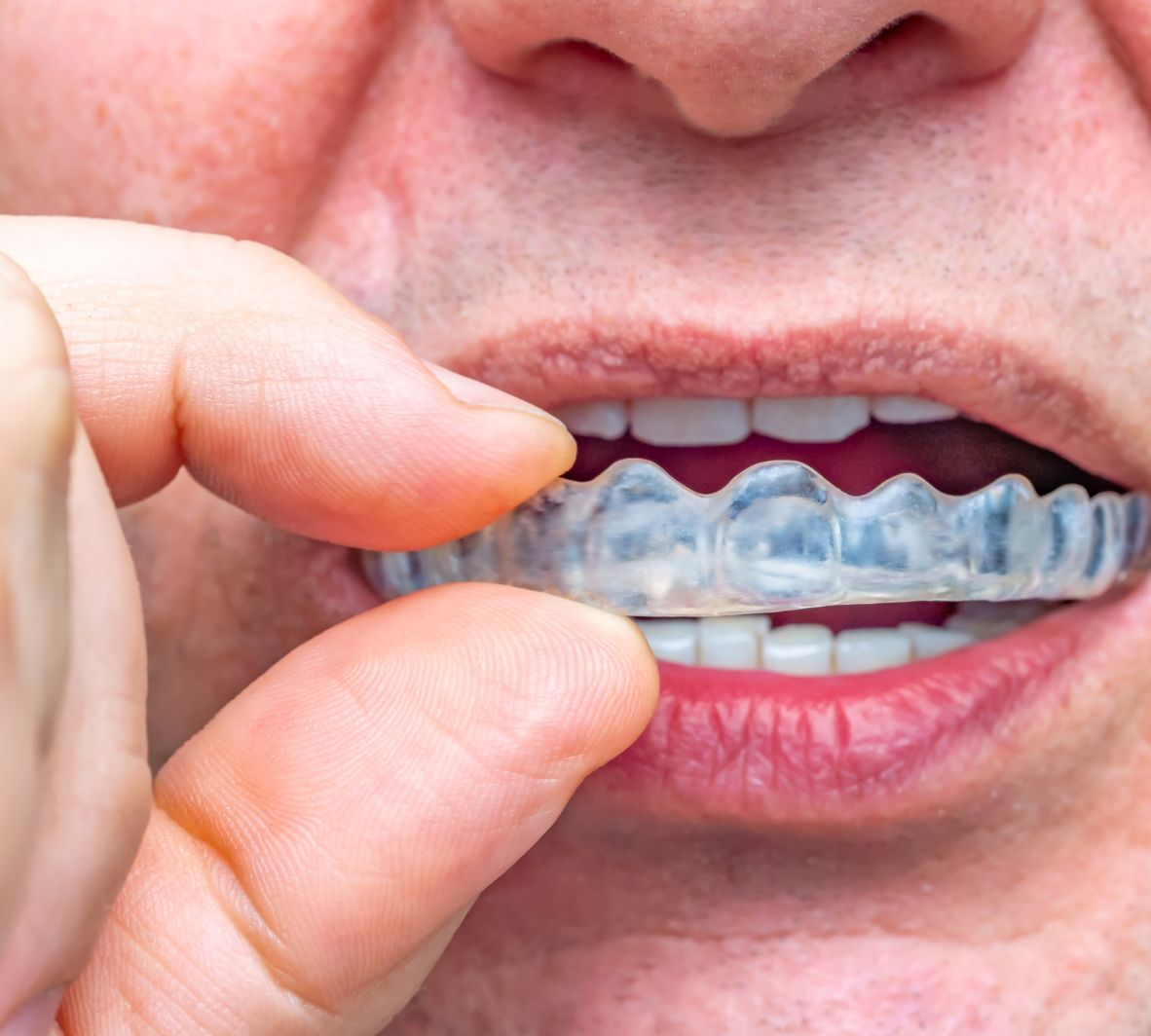
At Burnaby Dentist & Orthodontist, we take a conservative, non-invasive approach to TMJ/TMD care. Custom nightguards and bite splints are often the first step, helping reduce pressure on the jaw, help protect teeth from the effects of grinding, and support more comfortable jaw function without surgery.

What our Patient Think About Us?
Posted on Google loveleen dhanoaTrustindex verifies that the original source of the review is Google. I was scheduled for full checkup and cleaning. Randeep was so sweet, polite and experienced. At every point of the appointment, she made sure that I knew what was happening and If I was in any pain. She made my experience very smooth and less scary. She did an amazing job on cleaning and explaining everything. Dr. Sasan explained clearly about what is needed or not about my dental insecurities. Front Staff was nice and polite. Highly recommended!Posted on Google James YipTrustindex verifies that the original source of the review is Google. Amazing staff and facilities here and had a great time doing regular check up and cleanings. Would love to be backPosted on Google fardad faridiTrustindex verifies that the original source of the review is Google. Thanks for your good servicePosted on Google Alyoshka MyshkoTrustindex verifies that the original source of the review is Google. Posted on Google Carlotta CrestanelloTrustindex verifies that the original source of the review is Google. The best experience!! I was so nervous for my wisdom tooth extraction and the whole staff was so supportive. Highly recommended, everyone should feel like this when they go to the dentist. I ended up having fun!!!Posted on Google Sunny Lee-GordonTrustindex verifies that the original source of the review is Google. Ghazal was informative and caring! Loved my cleaning session with her :) definitely will come back!Posted on Google Elan AsselstineTrustindex verifies that the original source of the review is Google. Have come here for several years and now come with my kids (7 and 4), great experience, very friendly.Posted on Google Andrew WuTrustindex verifies that the original source of the review is Google. Patient and kind with their service. Much needed when it comes to teeth cleaningPosted on Google Layla SongTrustindex verifies that the original source of the review is Google. The dentist was professional and gentle – the whole experience was smooth and comfortable. Highly recommend!Posted on Google Jas JaskaranTrustindex verifies that the original source of the review is Google. Great service, staff and doctor are friendly. They’re giving very open and transparent service so feel comfortable with all the procedures and treatments.
What Is TMJ / TMD?
TMJ / TMD refers to problems affecting the jaw joint and the muscles that control how your jaw moves. These conditions can lead to pain, stiffness, clicking, or difficulty opening and closing your mouth. Having a clear explanation of how this works can make it easier to recognize symptoms and feel more confident about treatment options.

Understanding the Jaw Joint
The temporomandibular joint (TMJ) connects your lower jaw to your skull and allows you to speak, chew, and yawn smoothly. It works together with muscles, ligaments, and a small cartilage disc that cushions movement and keeps the joint stable. When everything is balanced, these parts move comfortably and without strain.

TMJ vs TMD (Why the Terms Are Used Interchangeably)
TMJ refers to the actual jaw joint, while TMD stands for temporomandibular disorders, which affect the joint and surrounding muscles. In everyday conversation, people often use “TMJ” to describe symptoms like pain or clicking, even though TMD is the more accurate term. Because of this, both terms are commonly used interchangeably in dental care.

Why Jaw Problems Can Affect Teeth & Headaches
When the jaw joint is not functioning properly, the surrounding muscles can become tense and overworked. This added strain often leads to teeth grinding or clenching, which can wear down enamel and increase sensitivity. The tension can also spread to nearby areas, causing headaches, facial pain, or discomfort that feels difficult to pinpoint.
Common Symptoms of TMJ / TMD
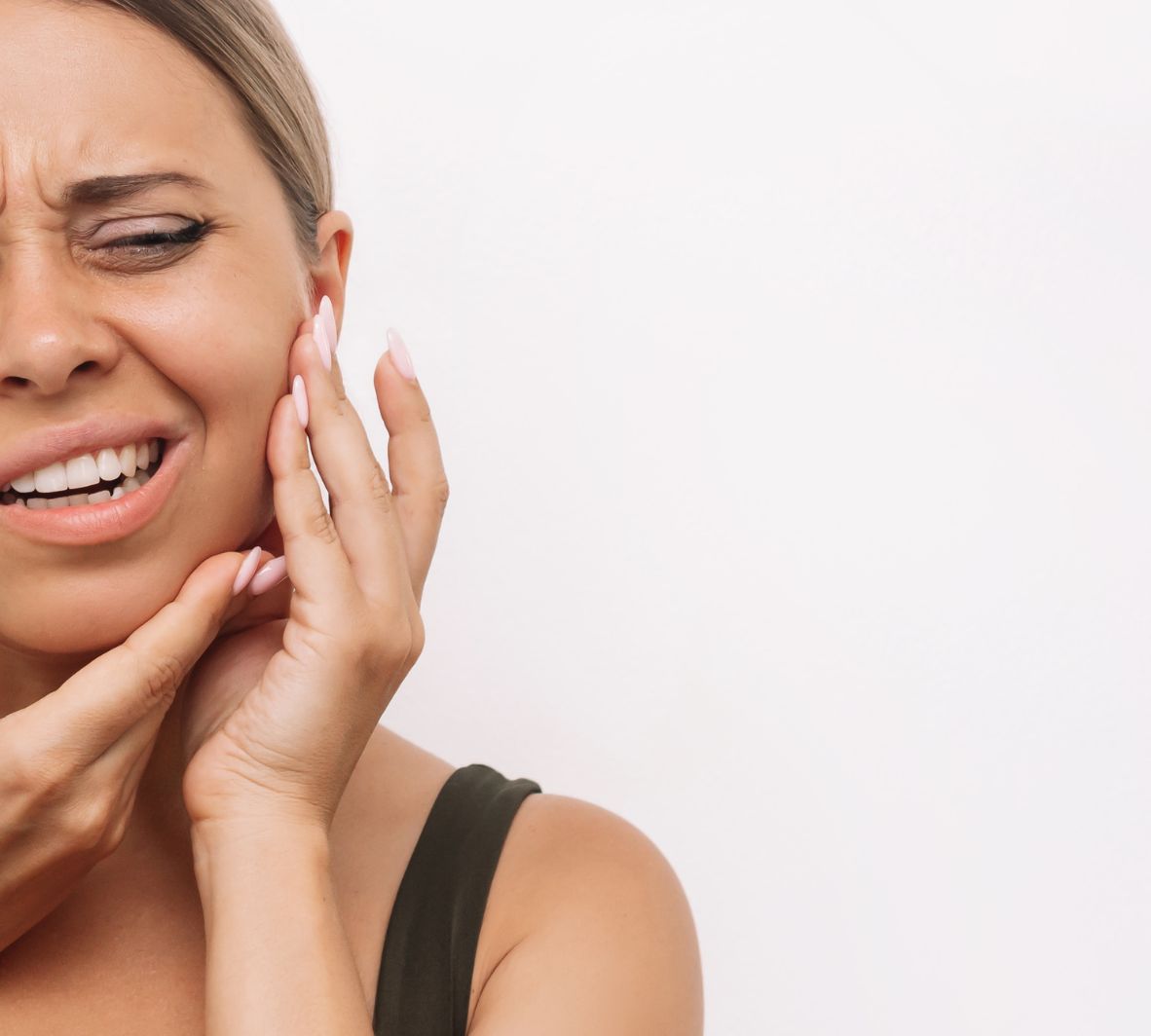
TMJ / TMD symptoms can vary from mild to more noticeable, and many people experience them without realizing the cause. The important thing to know is that these symptoms are common and, in most cases, can be effectively managed with the right care. Here are some of the most common signs to look out for:
Jaw Pain or Tightness
You may feel soreness, stiffness, or fatigue in your jaw, especially in the morning or after long periods of talking, and this discomfort can come and go or gradually become more noticeable over time.
Clicking, Popping, or Locking
Some people notice clicking or popping sounds when opening or closing their mouth, and in more advanced cases, the jaw may feel stuck or temporarily lock in place.
Headaches or Facial Pain
Tension in the jaw muscles can spread to the temples, cheeks, and sides of the head, often leading to recurring headaches or a dull, aching facial pain.
Pain When Chewing or Opening Wide
Eating, yawning, or opening your mouth wide may feel uncomfortable or strained, making everyday activities feel more difficult or tiring for your jaw.
Teeth Grinding or Clenching
Clenching or grinding, especially during sleep, places extra pressure on the jaw joint, which over time can lead to worn teeth, sensitivity, and increased muscle tension.
At Burnaby Dentist and Orthodontist Clinic
Begin Your Smile Journey with Dr. Hadianfar

What Causes TMJ / TMD?
TMJ / TMD can develop for a variety of reasons, and in many cases, it’s not caused by just one single factor. Let’s see some of the most common contributing factors:

Teeth Grinding or Clenching (Bruxism)
Grinding or clenching your teeth, especially during sleep, places constant pressure on the jaw joint and surrounding muscles. Over time, this strain can lead to soreness, stiffness, and increased wear on your teeth.

Bite Imbalance
When your upper and lower teeth don’t come together evenly, it can place uneven stress on the jaw joint. This imbalance may cause certain muscles to work harder, leading to discomfort and tension over time.

Stress & Muscle Tension
Stress can cause people to unconsciously tighten their jaw muscles or clench their teeth throughout the day. This ongoing tension can fatigue the muscles and contribute to pain, tightness, and headaches.

Jaw Injury or Trauma
A direct injury to the jaw, such as from an accident or impact, can affect how the joint moves and functions. Even past injuries may lead to lingering symptoms or changes in jaw alignment.

Postural or Habit-Related Strain
Everyday habits like poor posture, nail biting, chewing gum frequently, or resting your chin on your hand can strain the jaw over time. These small, repeated movements can gradually affect how the joint and muscles function.

How TMJ / TMD Is Diagnosed
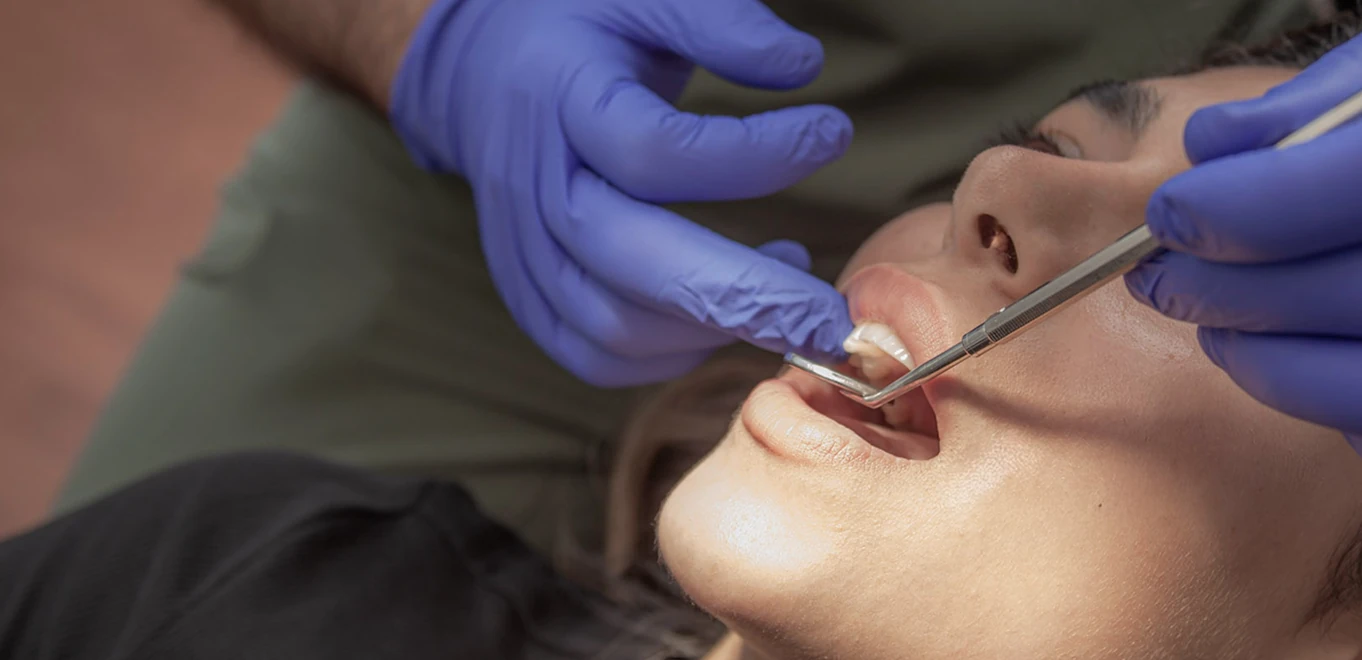
At Burnaby Dentist & Orthodontist, we break down how TMJ / TMD is diagnosed, from jaw and bite evaluation to identifying habits and ruling out other causes. Here’s what to expect.

Jaw & Bite Evaluation
We start by examining how your jaw moves and how your teeth come together. This helps us identify areas of strain, uneven bite pressure, or misalignment that may be contributing to jaw pain.

Muscle & Joint Assessment
Next, we assess the muscles and joints around your jaw, checking for tightness, tenderness, or unusual movement. This step helps us pinpoint which muscles are overworked and how the joint itself is functioning.

Identifying Contributing Habits
We review daily habits such as teeth grinding, clenching, or chewing patterns that may be adding stress to your jaw. Understanding these behaviors allows us to suggest strategies and appliances to reduce strain effectively.

Ruling Out Other Causes of Pain
Finally, we make sure other dental or medical conditions aren’t causing your symptoms. In some cases, jaw pain can be linked to infections or other oral health issues, which we address through our dental pain management services before recommending TMJ treatment.
How Nightguards & Bite Splints Help
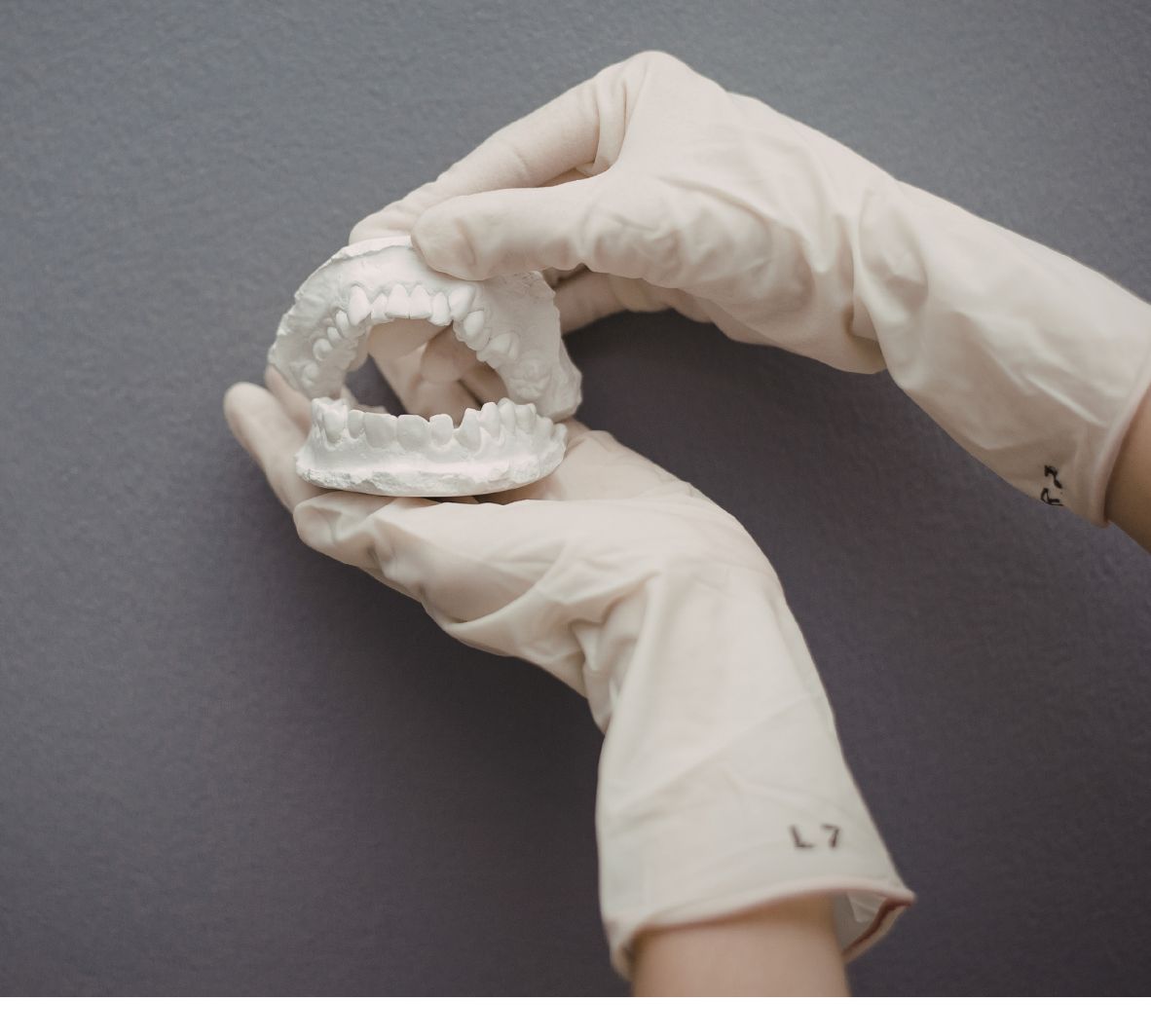
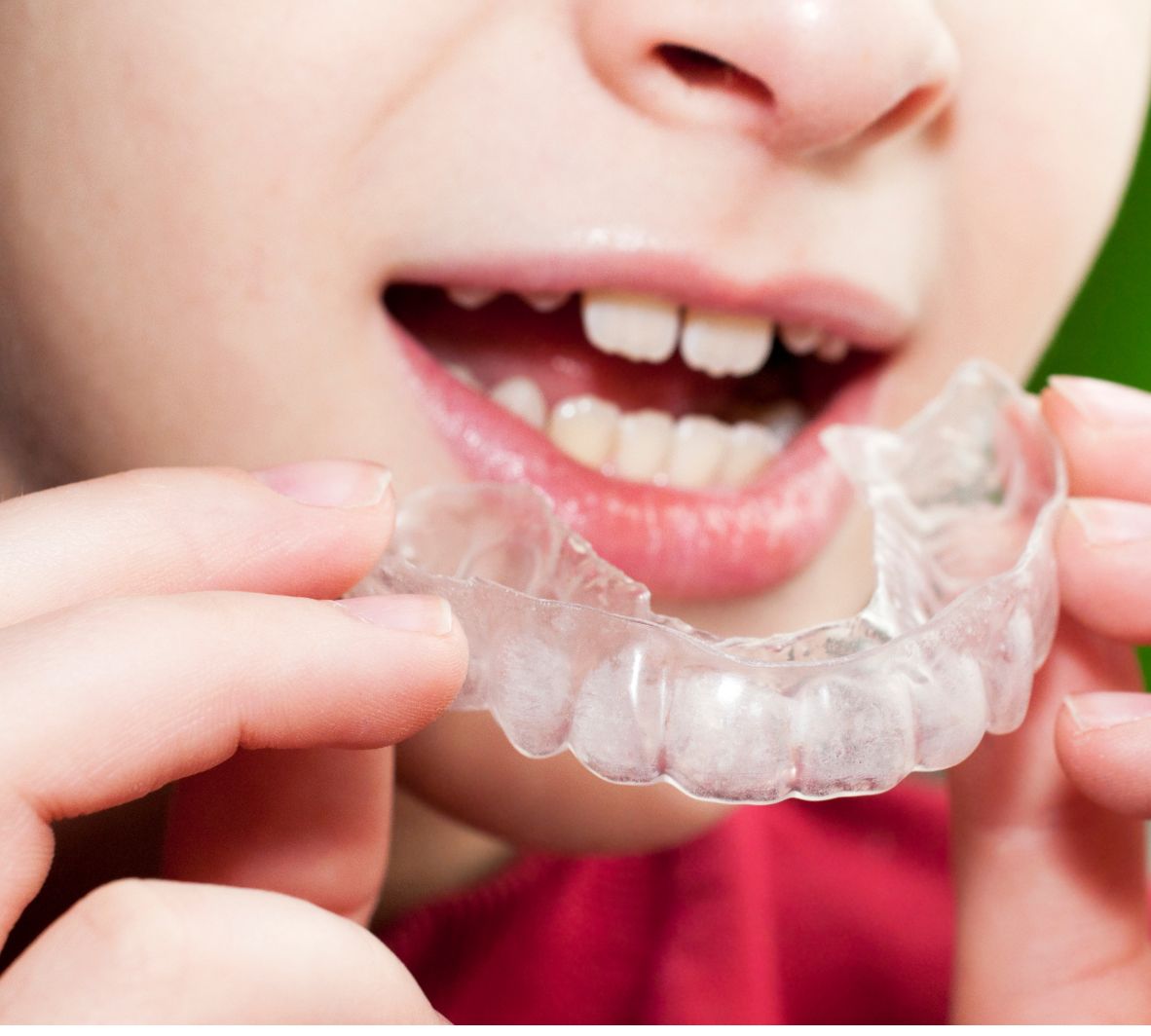
At Burnaby Dentist & Orthodontist, we use custom nightguards and bite splints as a conservative, non-surgical approach to TMJ / TMD care. These appliances are designed to help reduce jaw strain, protect your teeth, and support healthier jaw function and overall comfort.
Reducing Pressure on the Jaw Joint
Nightguards and bite splints help distribute bite forces evenly, reducing stress on the temporomandibular joint. This relief can ease pain, stiffness, and tension in the jaw.
Preventing Tooth Wear & Damage
By creating a protective barrier between your teeth, these appliances help protect teeth from the effects of grinding and clenching, reducing enamel wear and damage over time.
Relaxing Overworked Jaw Muscles
These devices allow jaw muscles to relax by minimizing constant clenching or tension. This can reduce soreness and improve overall comfort throughout the day and night.
Supporting Proper Jaw Position
Nightguards and bite splints may help reduce strain on the jaw and support a more comfortable resting position, encouraging smoother, more comfortable movement of the joint.
Book Yoiur Appointment!
Experience symptom relief with a custom nightguard or bite splint designed for your jaw. Schedule a consultation with Burnaby Dentist & Orthodontist to see which option is right for you.
What Is the Process Like?
At Burnaby Dentist & Orthodontist, TMJ / TMD treatment is straightforward and comfortable. Keep reading to see each step, from impressions to ongoing adjustments, and what you can expect along the way.


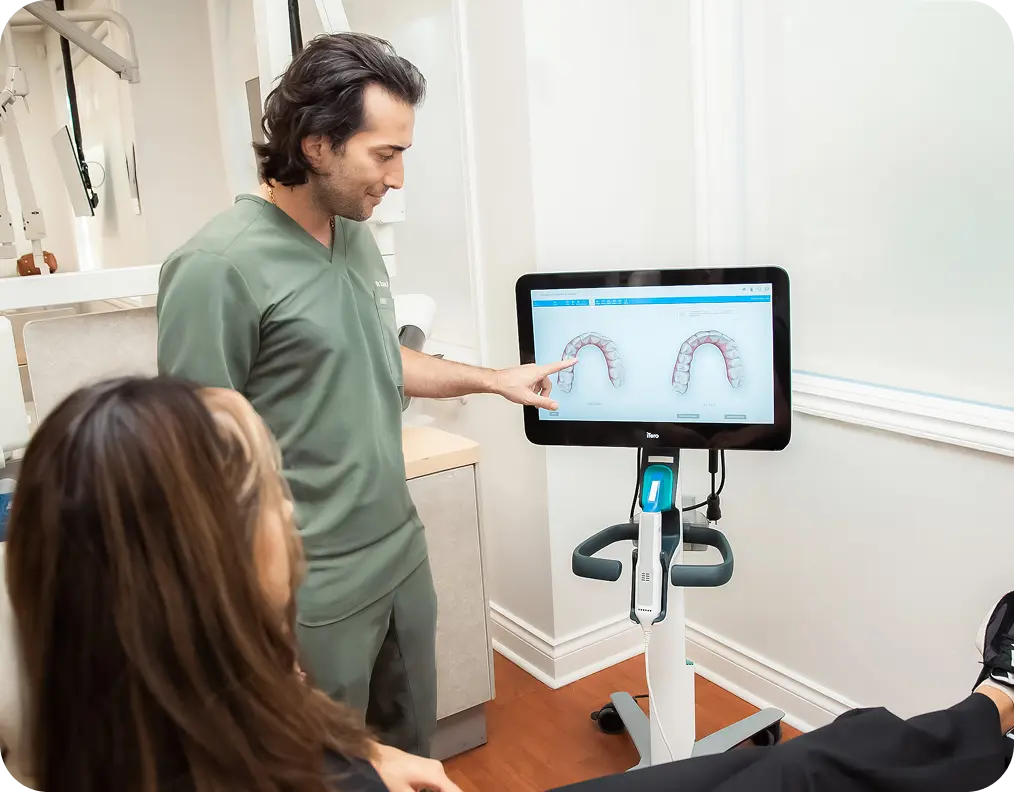
Comfortable Digital Impressions
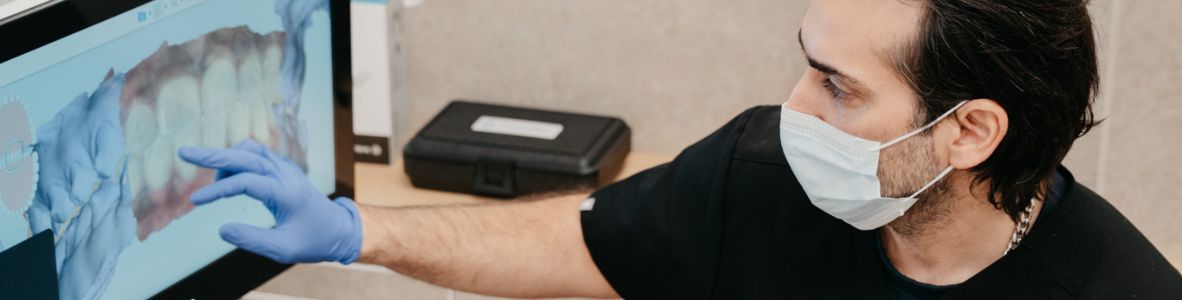
We begin by capturing your bite using digital scanning. This method is quick, precise, and completely comfortable, creating the foundation for a perfectly fitted appliance.

Custom Appliance Fabrication
Your nightguard or bite splint is carefully crafted to match your unique jaw and teeth structure. This supports optimal comfort, proper fit, and may help reduce symptoms related to TMJ / TMD.

Fitting & Adjustments
Once your appliance is ready, we ensure it fits perfectly and make any minor adjustments needed for comfort and function. This step helps support comfort and proper function.

Ongoing Monitoring
We follow up regularly to monitor your progress, address any changes in your jaw or bite, and make adjustments as needed. This helps with long-term comfort and continued support for your jaw health.
How Long Does TMJ Treatment Take?
The timeline for TMJ / TMD treatment can vary depending on the severity of your symptoms and your individual needs. While some patients notice improvement quickly, achieving symptom relief often involves a combination of appliance use, follow-ups, and habit adjustments.
Symptom Relief Timeline
Some patients notice changes within a few weeks, while others may require longer-term management depending on the cause and severity. More significant improvements, such as decreased headaches or smoother jaw movement, typically develop over several months.
Wearing Schedule
The frequency and duration of wearing your nightguard or bite splint depend on your diagnosis and lifestyle. Some patients wear their appliance only at night, while others may benefit from daytime use to manage muscle strain.
Follow-Up & Adjustments
Regular follow-ups allow us to monitor your progress and make any necessary adjustments to ensure the appliance remains comfortable and effective. These visits help support comfortable jaw function and reduce the risk of new strain.
Long-Term Management vs Short-Term Relief
TMJ / TMD treatment provides both immediate comfort and long-term protection for your jaw and teeth. While short-term relief can occur quickly, ongoing care supports lasting improvements and reduces the risk of recurring symptoms.
When you choose our clinic, you’re choosing a team that treats more than your teeth, we treat you as a whole person. Our goal is to help you feel comfortable during treatment, confident in your results, and empowered to enjoy life with a healthy, functional smile.
Start eating, speaking, and smiling with confidence again. Book your free consultation today.
Is TMJ / TMD Treatment Safe?
TMJ / TMD treatment at Burnaby Dentist & Orthodontist focuses on conservative, non-invasive approaches such as nightguards and bite splints. Our approach prioritizes your comfort while addressing the underlying causes of jaw pain without resorting to unnecessary procedures.

Non-Invasive, Conservative Approach
We use non-surgical solutions like custom nightguards and bite splints to relieve strain and discomfort safely.

Avoiding Unnecessary Procedures
Every recommendation is carefully tailored to what’s truly needed, avoiding treatments that aren’t essential.

Protecting Jaw Health Long-Term
Our approach not only eases pain but also helps reduce the risk of future strain, teeth wear, and recurring symptoms.
Can TMJ Symptoms Go Away on Their Own?
Some mild jaw stiffness or clicking may improve on its own, but if you have ongoing pain, frequent headaches, or persistent tension, professional evaluation is recommended to reduce the risk of ongoing or worsening symptoms.

Temporary vs Ongoing Symptoms
Occasional jaw tightness or brief episodes of clicking can sometimes resolve without treatment. Persistent or worsening symptoms, especially those that interfere with eating or daily activities, indicate that the condition is more than a temporary issue.

When Professional Care Is Recommended
If you notice recurring pain, difficulty opening your mouth, frequent headaches, or teeth grinding, it’s important to seek evaluation from a qualified dental professional. Early intervention can help reduce further strain and protect your teeth and jaw.

Risks of Ignoring Persistent Jaw Pain
Leaving TMJ / TMD untreated can lead to chronic jaw pain, increased muscle tension, worn or damaged teeth, and even long-term changes in bite alignment. Addressing symptoms promptly helps preserve jaw function and overall oral health.
CDCP
Important Information for CDCP Patients
Treatment under the Canadian Dental Care Plan is not fully covered. A co-payment will apply.

Why Burnaby Patients Trust Us for TMJ / TMD Care
At Burnaby Dentist & Orthodontist, we provide clear, comfort-focused TMJ / TMD care centred on symptom management and jaw function. Here’s how our approach supports patients across Burnaby at every step:
Conservative, Evidence-Based Approach
We prioritize non-invasive treatments that are supported by clinical evidence, focusing on relieving symptoms without unnecessary procedures. Our goal is to address the root cause while protecting your long-term jaw health.

Custom-Fit Appliances
Every nightguard and bite splint is custom-made to match your unique bite and jaw structure. This supports better comfort, improved fit and consistent protection during use, compared to generic options.

Clear Explanations & Honest Expectations
We take the time to explain your symptoms, diagnosis, and treatment options in a simple, straightforward way. You’ll know what to expect at each stage, including timelines, results, and any necessary follow-up care.

Focus on Comfort & Function
Our treatments are designed to support more comfortable jaw function in daily activities in everyday life. We aim to reduce pain, restore comfortable movement, and help you return to normal activities without ongoing discomfort.

FAQs
What is a bite splint?

A bite splint is designed to help reduce strain on the jaw and support a more comfortable jaw position.
What’s the difference between a nightguard and a bite splint?

Nightguards mainly help protect teeth from the effects of grinding, while bite splints focus more on reducing jaw strain and supporting a more comfortable jaw position.
Will a nightguard help with jaw pain?

Yes, in many cases it can reduce strain on the jaw and relieve pain caused by clenching or grinding.
Do I need to wear a nightguard every night?

Most patients are advised to wear it nightly, though your dentist will recommend a schedule based on your needs.
Will I need surgery for TMJ / TMD?

Many cases are managed with non-surgical options like nightguards or bite splints, depending on the cause and severity.

Contact Us Today!
Contact Burnaby Dentist and Orthodontist About TMJ / TMD Treatmen in Burnaby
- Straighten crooked and misaligned teeth
- Conceal chips, cracks, and discoloured teeth
- Whiten and brighten your smile
- Take years off the look of your teeth
- Boost your self-esteem!
Monday
9 AM – 5 PM
Tuesday
8 AM – 5 PM
Wednesday
9 AM – 6 PM
Thursday
9 AM – 5 PM
Friday
9 AM – 5 PM
Saturday
9 AM – 4 PM