


Email

info@burnabydentistandorthodontist.com

Call

+1 (604) 437-7723

Address

3999 Kingsway-Burnaby, BC V5H 1Y8

Pulpotomy vs Pulpectomy in Burnaby

Pulpotomy and pulpectomy are common pediatric treatments used to remove infection from inside a baby tooth and help reduce discomfort. Both procedures aim to preserve the baby tooth when clinically appropriate and help reduce the risk of further infection.

Pulpotomy vs Pulpectomy

What our Patient Think About Us?

Why Would a Child Need Nerve Treatment in a Baby Tooth?

Baby teeth have nerves and blood supply just like adult teeth. When decay or injury reaches the inner pulp, it can cause inflammation or infection that requires treatment. Addressing the problem early may help manage discomfort and limit progression of infection.

Let’s look at the most common reasons this type of treatment may be recommended.

Pulpotomy vs Pulpectomy

Deep Cavities That Reach the Nerve

Tooth decay often begins as a small cavity but can gradually spread deeper into the tooth over time. When bacteria reach the pulp, which is the inner nerve tissue, inflammation or infection can develop. At this stage, removing the infected portion of the pulp may help manage discomfort while preserving the baby tooth when clinically appropriate.

Pulpotomy vs Pulpectomy

Tooth Infection or Abscess

An untreated cavity or dental injury can sometimes lead to an infection inside the tooth. In some cases, an abscess may develop near the root, causing swelling, tenderness, or a small bump on the gums. When infection reaches this stage, pulp therapy may be recommended to help manage the infection and preserve the tooth when possible.

Pulpotomy vs Pulpectomy

Pain, Swelling, or Sensitivity in Children

Children with pulp inflammation may complain of tooth pain, especially while chewing or eating hot or cold foods. Some may experience swelling around the gums or face near the affected tooth. Ongoing discomfort is often a sign that the inner nerve tissue needs professional evaluation.

Pulpotomy vs Pulpectomy

Protecting Space for Adult Teeth

Baby teeth play a critical role in holding space for the permanent teeth developing underneath. Losing a baby tooth too early can cause nearby teeth to shift, increasing the risk of crowding later on. Treating infection helps maintain proper spacing and supports healthy long-term bite development.
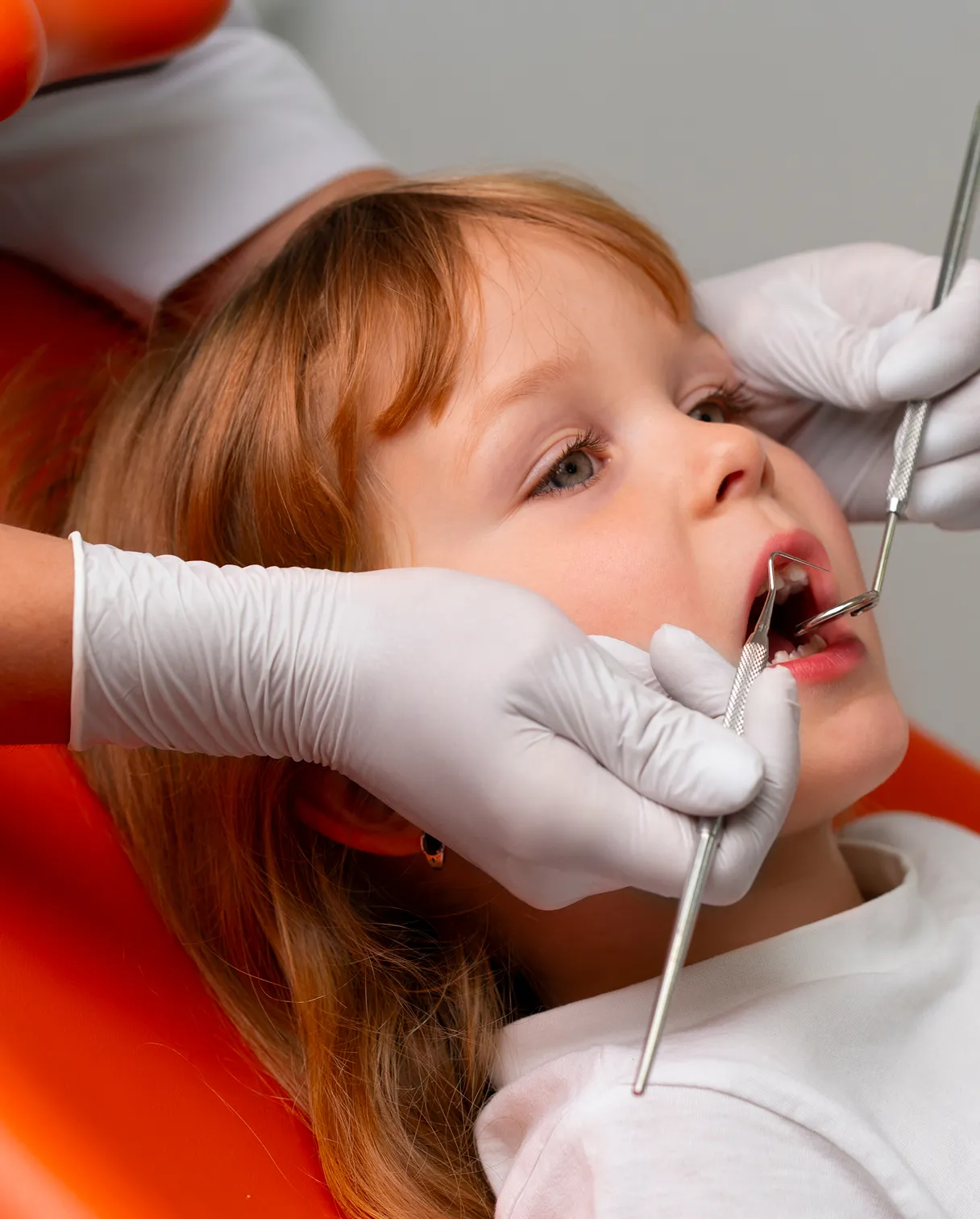

Pulpotomy vs Pulpectomy

What Is a Pulpotomy?

A pulpotomy is typically the first and more conservative treatment option when infection inside a baby tooth is caught early. The goal is to remove the affected portion of the pulp while preserving as much healthy tooth structure as possible.

Pulpotomy vs Pulpectomy

When a Pulpotomy Is Recommended

Pulpotomy vs Pulpectomy

What Part of the Nerve Is Removed

Pulpotomy vs Pulpectomy

Why It Works for Early-Stage Infections

Pulpotomy vs Pulpectomy

How It Helps Save the Baby Tooth

What Is a Pulpectomy?

A pulpectomy is used when infection inside a baby tooth has progressed beyond the crown and into the root canals. This treatment involves removing infected pulp tissue as part of managing infection within the tooth.

Pulpotomy vs Pulpectomy

When a Pulpectomy Is Needed

Pulpotomy vs Pulpectomy

Treating More Advanced Infections

Pulpotomy vs Pulpectomy

Cleaning the Entire Root Canal System

Pulpotomy vs Pulpectomy

Preventing Spread of Infection

At Burnaby Dentist and Orthodontist Clinic

Begin Your Smile Journey with Dr. Hadianfar

Pulpotomy vs Pulpectomy

Pulpotomy vs Pulpectomy [What’s the Difference?]

The differences between these two treatments are outlined in the table below. After a thorough dental exam and X-rays, the dentist determines how far the infection has progressed and which option is clinically appropriate based on the extent of infection.

CategoryLevel of Infection TreatedAmount of Nerve Tissue RemovedTreatment ComplexityWhy Your Child's Dentist Chooses It
PulpotomyUsed for Mild to Moderate Infection Limited to the Pulp Inside the Crown of the Tooth.Removes Only the Infected Pulp Tissue in the Crown While Preserving Healthy Pulp Inside the Roots.Typically a Shorter, More Conservative Procedure Focused on Preserving as Much Healthy Structure as Possible.Recommended When Infection Has not Reached the Roots and the Tooth Can Be Treated Conservatively.
PulpectomyUsed for More Advanced Infection That Has Spread Into the Root Canals or Caused an Abscess.Removes Pulp Tissue from Both the Crown and Root Canals to Help Address Deeper Infection Within the Tooth.A More Involved Procedure That Requires Cleaning and Filling the Entire Root Canal System.Recommended When X-Rays Show Deeper Infection That Requires Complete Removal of Infected Pulp Tissue.

Is This the Same as a Root Canal?

Many parents wonder whether a pulpotomy or pulpectomy is simply a root canal for kids. While the goal is similar, treatment for baby teeth is adapted to account for differences in anatomy and normal dental development in children.

Pulpotomy vs Pulpectomy

Similar Goal, Different Approach

Both pulpotomies and pulpectomies aim to remove infected pulp tissue and preserve the tooth when possible. A pulpectomy is often compared to a root canal because it involves cleaning and filling the root canals of a baby tooth. However, pediatric pulp therapy uses child-specific techniques and materials designed for developing teeth.

Pulpotomy vs Pulpectomy

Why Baby Teeth Are Treated Differently

Baby teeth have thinner enamel and different root structures compared to adult teeth, which affects how infection spreads and how treatment is performed. They are also meant to fall out naturally, so treatment considers their temporary role.

Pulpotomy vs Pulpectomy

Child-Specific Techniques & Materials

Pediatric dental procedures use smaller instruments designed for children’s teeth and comfort. In pulpectomies, special resorbable filling materials are used so the treated roots can naturally dissolve as the permanent tooth develops underneath.

What Happens During the Procedure?

Here’s what you and your child can expect during a pulpotomy or pulpectomy appointment. We follow age-appropriate communication techniques and standard pediatric comfort protocols to help create a supportive and age-appropriate treatment experience.

Pulpotomy vs Pulpectomy

Gentle Numbing & Comfort-First Care

We begin by carefully numbing the area with local anesthesia to help maintain your child's comfort during the procedure. We explain each step in simple, reassuring language so your child feels safe and supported.

Pulpotomy vs Pulpectomy

Child-Friendly Step-by-Step Process

We gently remove any decay, access the affected pulp tissue, and clean the inside of the tooth. After disinfecting the area, we seal it to help protect the tooth and support ongoing management of infection.

Pulpotomy vs Pulpectomy

Placement of a Protective Crown (If Needed)

In many cases, we place a stainless steel crown to restore strength and durability to the treated baby tooth. This helps protect it from breaking and allows normal chewing function.

Pulpotomy vs Pulpectomy

How Long the Appointment Takes

Most pulpotomy or pulpectomy appointments are completed in about 30 to 60 minutes, depending on the case. We guide parents through what to expect before, during, and after the visit.

Concerned About an Infected Baby Tooth?

If your child has tooth pain, swelling, sensitivity, or has been told they may need pulp therapy, our team can assess the tooth and explain the most appropriate treatment options in a calm, child-focused environment.

Is Pulpotomy or Pulpectomy Safe for Children?

Pulpotomy and pulpectomy procedures are well-established pediatric treatments commonly used in pediatric dentistry to manage infection in baby teeth. When recommended after a clinical examination and diagnosis, these treatments may help address infection while supporting the preservation of the affected tooth when clinically appropriate.

Pulpotomy vs Pulpectomy

Why These Treatments Are Common in Pediatric Dentistry

Pulpotomies and pulpectomies are considered a standard of care in pediatric dentistry and are widely practiced to treat infected baby teeth. They are supported by clinical guidelines and used routinely to help manage discomfort while preserving natural teeth whenever possible.

Pulpotomy vs Pulpectomy

Materials Commonly Used in Pediatric Dental Treatment

The materials used during pulpotomy and pulpectomy procedures are selected for use in pediatric dental treatment. In baby teeth, certain filling materials are chosen for compatibility with natural root development and are intended to support the normal eruption process of permanent teeth.

Pulpotomy vs Pulpectomy

Preventing Pain, Infection & Tooth Loss

Early treatment may reduce the risk of infection spreading to surrounding tissues, bone, or developing adult teeth. Addressing the problem promptly may help reduce the risk of severe pain, swelling, and premature tooth loss that could affect long-term oral development.

What Happens If an Infected Baby Tooth Is Not Treated?

Below is an overview of the potential consequences of leaving an infected baby tooth untreated, including how the infection can progress and impact surrounding teeth. Early treatment often helps prevent more complex dental problems later on.

Pulpotomy vs Pulpectomy

Worsening Pain & Infection

When infection inside a baby tooth is not treated, bacteria can continue spreading deeper into the roots and surrounding tissues. What begins as mild discomfort can progress into persistent pain and more significant inflammation.

Pulpotomy vs Pulpectomy

Risk to Adult Teeth Development

Baby teeth sit directly above developing permanent teeth, so untreated infection can potentially affect the underlying tooth bud. In some cases, this may interfere with proper enamel formation or healthy eruption patterns.

Pulpotomy vs Pulpectomy

Swelling or Dental Emergencies

As infection progresses, it may lead to swelling of the gums, face, or jaw, and sometimes the formation of an abscess. In these situations, prompt care through a dental emergency is important.

Pulpotomy vs Pulpectomy

Why Waiting Can Make Treatment More Complex

Delaying treatment often allows infection to advance, which can require more extensive procedures than originally needed. Addressing the issue early typically leads to simpler care and may reduce the need for more extensive treatment.

Pulpotomy vs Pulpectomy

Can the Tooth Just Be Removed Instead?

While extraction may seem like a simple solution, removing a baby tooth too early can affect your child’s oral development. Whenever possible, preserving the natural tooth is usually the preferred approach.

Pulpotomy vs Pulpectomy

Why Saving Baby Teeth Matters

Pulpotomy vs Pulpectomy

Space Maintenance & Bite Development

Pulpotomy vs Pulpectomy

When Extraction Is the Only Option

Aftercare & Recovery After Pulpotomy or Pulpectomy in Children

Most children recover quickly after a pulpotomy or pulpectomy. Aftercare is usually simple, and we provide clear instructions so parents understand how to support their child at home.

Pulpotomy vs Pulpectomy

Mild Soreness & What’s Normal

It is normal for your child to experience mild soreness or temporary sensitivity for a few days after treatment. This discomfort is typically manageable and gradually improves as the area heals and inflammation settles.

Pulpotomy vs Pulpectomy

Eating & Brushing After Treatment

We usually recommend soft foods for the first day while the numbness wears off and the tooth adjusts. Gentle brushing should continue as normal, helping maintain oral health and supporting results from regular comprehensive dental exams.

Pulpotomy vs Pulpectomy

When to Call the Dentist

Contact our office if your child experiences persistent pain lasting more than a few days, increasing swelling, fever, or difficulty chewing. These symptoms are uncommon but should be evaluated promptly to ensure proper healing.

Pulpotomy vs Pulpectomy

CDCP

Important Information for CDCP Patients

Treatment under the Canadian Dental Care Plan is not fully covered. A co-payment will apply.

Pulpotomy vs Pulpectomy

Why Burnaby Parents Choose Us for Pediatric Nerve Treatment

Families from Metrotown, Brentwood, Edmonds, Deer Lake, and surrounding Burnaby communities visit our clinic for child-focused dental care and guidance when dental infections affect baby teeth.

Gentle, Child-Centered Dental Team

Our dental team provides pediatric dental services and manages a range of common childhood dental conditions. During pediatric procedures, we use age-appropriate communication and standard clinical techniques suited to children’s needs. Our approach is structured to support a positive and appropriate dental experience for young patients.

Pulpotomy vs Pulpectomy

Clear Explanations for Parents

We believe parents deserve clear, transparent explanations before any treatment begins. After a thorough exam and X-rays, we explain the diagnosis, review available options, and recommend care based on your child’s specific needs so you can make informed decisions with confidence.

Pulpotomy vs Pulpectomy

Focus on Comfort, Prevention & Long-Term Oral Health

Our priority is to manage discomfort appropriately while preserving healthy tooth structure whenever possible. Through comprehensive pediatric dentistry, we focus on prevention, education, and long-term planning to support healthy development and growing smiles.

Pulpotomy vs Pulpectomy

FAQs

What is the difference between a pulpotomy and a pulpectomy? Pulpotomy vs Pulpectomy

A pulpotomy removes infected pulp tissue from the crown portion of a baby tooth, while a pulpectomy removes all pulp tissue from both the crown and roots when infection is more advanced.

Will my child feel pain during the procedure? Pulpotomy vs Pulpectomy

We use local anesthesia to help numb the area, and many children tolerate the appointment well with local anesthesia and supportive care.

How do dentists decide between a pulpotomy and pulpectomy? Pulpotomy vs Pulpectomy

The decision is based on a clinical exam and X-rays that determine how far the infection has spread inside the tooth.

What happens if we don't treat an infected baby tooth? Pulpotomy vs Pulpectomy

Untreated infection can worsen, cause pain or swelling, and potentially affect the developing permanent tooth underneath.

Will my child need a crown after treatment? Pulpotomy vs Pulpectomy

In many cases, a stainless steel crown is placed to protect and strengthen the treated tooth.

Is recovery difficult after a pulpotomy or pulpectomy? Pulpotomy vs Pulpectomy

Recovery is typically quick, with only mild soreness for a few days that improves naturally.

What should my child eat after the procedure? Pulpotomy vs Pulpectomy

Soft foods are recommended for the first day, especially while numbness wears off, before returning to a normal diet.


Contact Us Today!

Contact Burnaby Dentist and Orthodontist About Pulpotomy vs Pulpectomy in Burnaby

  • Straighten crooked and misaligned teeth
  • Conceal chips, cracks, and discoloured teeth
  • Whiten and brighten your smile
  • Take years off the look of your teeth
  • Boost your self-esteem!

Monday

9 AM – 5 PM

Tuesday

8 AM – 5 PM

Wednesday

9 AM – 6 PM

Thursday

9 AM – 5 PM

Friday

9 AM – 5 PM

Saturday

9 AM – 4 PM

Monday 09:00 - 17:00
Tuesday 08:00 - 17:00
Wednesday 09:00 - 18:00
Thursday 09:00 - 17:00
Friday 09:00 - 17:00
Saturday 09:00 - 16:00
Sunday Closed
Activated

Accessi by Marketing Planet

Content Controls

Readable FontMay break icons
Dyslexia FontMay break icons
Highlight Titles
Text Magnifier
Left Aligned
Center Aligned
Right Aligned

Design Controls

Dark Contrast
Invert Colors
Light Contrast
Monochrome
High Contrast
High Saturation
Low Saturation

Media and Other Controls

Mute Sounds
Hide Images
Reading Guide
Stop Animations
Reading Mask
Highlight Hover
Highlight Focus
Large Cursor