
Baby Root Canals in Burnaby
A baby root canal is a common pediatric pulp therapy used to treat infection inside a baby tooth. This treatment helps relieve discomfort while preserving the tooth’s role in chewing, speech development, and maintaining proper space for adult teeth.

What our Patient Think About Us?
Posted on Google loveleen dhanoaTrustindex verifies that the original source of the review is Google. I was scheduled for full checkup and cleaning. Randeep was so sweet, polite and experienced. At every point of the appointment, she made sure that I knew what was happening and If I was in any pain. She made my experience very smooth and less scary. She did an amazing job on cleaning and explaining everything. Dr. Sasan explained clearly about what is needed or not about my dental insecurities. Front Staff was nice and polite. Highly recommended!Posted on Google James YipTrustindex verifies that the original source of the review is Google. Amazing staff and facilities here and had a great time doing regular check up and cleanings. Would love to be backPosted on Google fardad faridiTrustindex verifies that the original source of the review is Google. Thanks for your good servicePosted on Google Alyoshka MyshkoTrustindex verifies that the original source of the review is Google. Posted on Google Carlotta CrestanelloTrustindex verifies that the original source of the review is Google. The best experience!! I was so nervous for my wisdom tooth extraction and the whole staff was so supportive. Highly recommended, everyone should feel like this when they go to the dentist. I ended up having fun!!!Posted on Google Sunny Lee-GordonTrustindex verifies that the original source of the review is Google. Ghazal was informative and caring! Loved my cleaning session with her :) definitely will come back!Posted on Google Elan AsselstineTrustindex verifies that the original source of the review is Google. Have come here for several years and now come with my kids (7 and 4), great experience, very friendly.Posted on Google Andrew WuTrustindex verifies that the original source of the review is Google. Patient and kind with their service. Much needed when it comes to teeth cleaningPosted on Google Layla SongTrustindex verifies that the original source of the review is Google. The dentist was professional and gentle – the whole experience was smooth and comfortable. Highly recommend!Posted on Google Jas JaskaranTrustindex verifies that the original source of the review is Google. Great service, staff and doctor are friendly. They’re giving very open and transparent service so feel comfortable with all the procedures and treatments.
What Is a Baby Root Canal?
A baby root canal, also known as a pediatric pulpotomy, is a treatment used when infection reaches the nerve of a baby tooth. This treatment removes infected tissue while preserving the tooth’s structure and function until it naturally falls out.

A Treatment for Infected or Irritated Nerves in Baby Teeth
When decay or injury reaches the inner pulp of a baby tooth, this treatment removes infected tissue to reduce discomfort and prevent further spread within the tooth structure.

How Pulp Therapy Helps Save the Tooth
As part of pediatric dentistry in Burnaby, pulp therapy focuses on removing damaged nerve tissue while preserving the tooth's outer structure, allowing it to function normally until it naturally falls out.

Why Keeping a Baby Tooth Matters
Saving a baby tooth helps support proper chewing, speech development, and spacing for adult teeth, reducing the risk of future alignment issues or more complex dental care later.
Why Would a Child Need a Baby Root Canal?
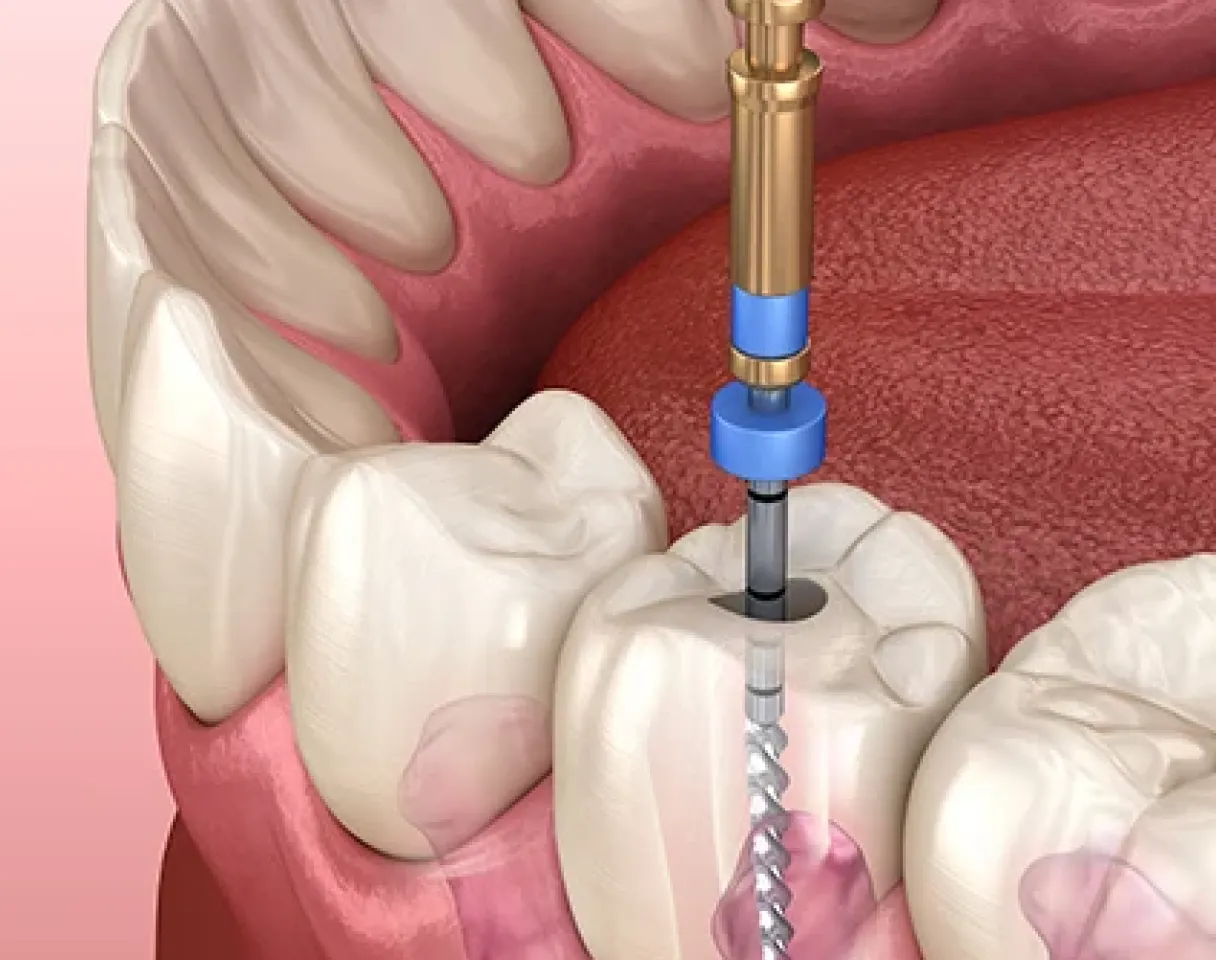
A baby root canal may be needed when deep decay, injury, or infection reaches the nerve of a baby tooth. In these cases, pulp therapy may help relieve discomfort, address infection, and preserve the tooth’s role in healthy development.

Deep Cavities Reaching the Nerve
- Untreated decay found during child dental exams can reach the nerve and require pulp treatment.

Dental Trauma or Injury
- Falls, sports injuries, or accidents can damage the nerve inside a baby tooth, even without visible cracks.

Pain, Swelling, or Sensitivity
- Persistent tooth pain, swelling, or sensitivity often indicates infection affecting the inner pulp of a baby tooth.
At Burnaby Dentist and Orthodontist Clinic
Begin Your Smile Journey with Dr. Hadianfar

What Are the Signs Your Child May Need This Treatment?
Signs that a child may need pulp therapy include ongoing tooth pain, sensitivity to hot or cold, swelling around the gums, or discomfort while chewing. Changes in tooth colour or unexplained irritation can also indicate a deeper infection affecting the nerve.

Tooth Pain (Especially at Night or When Eating)
Occasional tooth pain can happen, but persistent discomfort, especially at night or while chewing, may signal a deeper infection. Pulp therapy is sometimes recommended to relieve pain and help preserve the affected baby tooth.

Swelling or Gum Tenderness
Swelling or tenderness near a baby tooth can worry parents, but it's a common sign of infection. A dentist can assess the area and recommend gentle treatment to prevent further irritation.

Sensitivity to Hot or Cold
Brief sensitivity isn't unusual, but lingering reactions to hot or cold may indicate nerve involvement. In these cases, pediatric pulp treatment helps stabilize the tooth and restore comfort for everyday eating and drinking.

Darkening or Discolouration of the Tooth
A tooth that appears darker or grey can suggest internal damage after decay or injury. A dental examination can help determine the cause and whether treatment may be needed.

What Happens During a Baby Root Canal Appointment?
At Burnaby Dentist & Orthodontist, baby root canal appointments in Burnaby are planned carefully to treat infection gently, protect the baby tooth, and keep children as comfortable as possible throughout care.


Gentle Numbing & Comfort Support
Local numbing is applied carefully, with reassurance and pacing to help children stay relaxed and comfortable throughout the appointment.

Removing the Infected Nerve Tissue
Infected pulp tissue is gently removed to eliminate bacteria, relieve symptoms, and stop further spread within the baby tooth structure safely.

Cleaning & Protecting the Tooth
The tooth is cleaned, disinfected, and sealed to protect the remaining structure and support normal function until natural tooth loss occurs in childhood.

Final Restoration (Often a Crown to Protect the Tooth)
In many cases, a crown may be placed after pulp treatment to help protect the remaining tooth structure. The type of restoration depends on the tooth involved, the extent of damage, and the child's individual treatment needs.
Preserving Baby Teeth Through Early Treatment
If your child shows signs of infection or ongoing tooth discomfort, a dental assessment can help determine whether pulp treatment may be appropriate. Our team provides child-focused care with an emphasis on comfort, preservation, and long-term oral health.
Is a Baby Root Canal Safe for Kids?
Baby root canal treatment is considered safe when performed by a dentist using appropriate pediatric techniques. The procedure uses controlled techniques to remove infection, relieve discomfort, and protect surrounding teeth while supporting healthy oral development during childhood.
Kid-Focused Materials & Techniques
Materials and techniques used in baby root canal treatment are selected specifically for children. They are designed to be gentle, durable, and appropriate for developing teeth, supporting healing while preserving the natural structure of the baby tooth.
Pain Control & Comfort Are Priorities
Comfort is a key priority throughout treatment. Careful numbing, a calm pace, and clear reassurance help reduce anxiety and discomfort, allowing children to feel safe and supported during each step of the appointment.
Ongoing Follow-Up to Monitor Healing
After treatment, follow-up visits help monitor healing, tooth stability, and normal development until the tooth naturally falls out.
Will My Child Feel Pain During or After the Procedure?
The area is carefully numbed before treatment to help keep your child comfortable. Children may feel mild soreness afterward. This is typically temporary.

Numbing Prevents Pain During Treatment
Local numbing is used to block sensation in the treated area, helping children remain comfortable throughout the procedure. The dental team monitors comfort closely and adjusts as needed to ensure a calm, pain-controlled experience. The dentist performs the pulpotomy and seals the tooth following clinical assessment.

Mild Tenderness Is Normal Afterward
Some children may experience mild tenderness once the numbing wears off. This is a normal part of healing and usually resolves within a short time without interfering with eating or daily activities.

Simple Care Instructions Help With Recovery
Parents receive clear aftercare instructions to support healing, such as food guidance and oral hygiene tips. Following these steps helps reduce irritation and promotes smooth recovery after treatment.


What If We Don’t Treat the Tooth?
If an infected baby tooth isn’t treated, the infection may progress and affect surrounding tissue. This may cause increased pain, swelling, early tooth loss, and problems with chewing, speech development, or proper spacing for permanent teeth.

Spreading Infection
- Without treatment, infection may gradually affect nearby tissue and make future care more involved.

Tooth Loss & Space Problems
- Early loss of a baby tooth can affect spacing, sometimes leading to crowding or alignment issues as adult teeth erupt.

Pain & Chewing Difficulty
- Ongoing discomfort may interfere with chewing and eating, affecting daily comfort and normal oral function for children.
How Long Do Baby Root Canals Last?
Baby root canals aim to help keep the treated tooth healthy and functional until it naturally falls out and is replaced by a permanent tooth.


Designed to Last Until the Tooth Falls Out Naturally
Treatment aims to preserve the baby tooth for its normal lifespan, supporting chewing, spacing, and oral development until natural tooth loss occurs.

Importance of Good Oral Care
Consistent brushing, flossing, and healthy eating habits help maintain the treated tooth and surrounding gums, supporting long-term stability and comfort.

Regular Dental Checkups Help Monitor the Tooth
Routine dental checkups allow the dentist to monitor healing, tooth stability, and development as your child grows.
Baby Root Canals vs Adult Root Canals: What's the Difference?
Baby root canals and adult root canals serve different purposes. Pediatric pulp therapy focuses on preserving a baby tooth during development, while adult root canal treatment aims to preserve a permanent tooth for long-term function.
| Treatment Type | Treatment Complexity | Primary Focus | Tooth Lifespan Goal | Clinical Decision |
|---|---|---|---|---|
| Baby Root Canals | Protect Growth & Development | Preserve Tooth Until Natural Loss | Preserve Tooth Until Natural Loss | Always Considered Carefully |
| Adult Root Canals | Permanent Tooth Preservation | Long-Term Tooth Retention | Long-Term Tooth Retention | Common Adult Treatment Approach |
CDCP
Important Information for CDCP Patients
Treatment under the Canadian Dental Care Plan is not fully covered. A co-payment will apply.

Which Children Benefit Most From This Treatment?
This treatment is most helpful when preserving a baby tooth, which supports comfort, function, and healthy development. Dentists consider the tooth’s stage, infection severity, and the child’s overall oral growth before recommending care.

Late-Stage Baby Teeth With Deep Cavities
- Baby teeth with advanced decay may benefit when saving the tooth supports normal function.
Teeth Needed for Chewing & Space Maintenance
- Teeth essential for chewing and spacing help guide proper eruption of permanent teeth.
Kids at Risk of Premature Tooth Loss
- Children at risk of early tooth loss benefit from preserving structure and stability.
Caring for Your Child After a Baby Root Canal
After a baby root canal, gentle aftercare helps support healing and keeps your child comfortable. Most children return to normal routines quickly, with a few simple precautions to protect the treated tooth and promote a smooth recovery.

Soft Foods for a Short Period
Offering soft foods for a short time helps avoid pressure on the treated tooth while healing begins. This reduces irritation and allows your child to eat comfortably as tenderness gradually settles.

Good Brushing & Flossing
Continue regular brushing and flossing to keep the area clean and support healing. Gentle, consistent oral hygiene helps prevent bacteria buildup and protects both the treated tooth and the surrounding gums.

Let Us Know If Pain Persists
Mild soreness is normal, but ongoing discomfort should be checked. If pain or swelling continues, contact the dental team so we can assess healing and provide reassurance or additional care if needed.

Why Families in Burnaby Choose Our Clinic for Pediatric Dental Care
Families from Metrotown, Brentwood, Edmonds, Deer Lake, and surrounding Burnaby communities visit our clinic for child-focused dental care and preventive support. Our approach combines preventive guidance with clinically appropriate care for children at each stage of development.
Gentle, Child-Focused Dentistry
At Burnaby Dentist & Orthodontist, pediatric care is delivered with patient, age-appropriate techniques and calm pacing. We adapt the visit to each child’s needs to support comfort and a positive experience during treatment.

Clear Parent Communication
We provide clear explanations of findings, treatment options, and next steps. Parents can ask questions and receive practical guidance to support informed decisions about their child’s care.

Prevention-First Approach With Compassion
Our pediatric care emphasizes prevention whenever possible, including routine monitoring and home-care guidance. This supports healthy habits over time and helps reduce the need for more extensive treatment when clinically appropriate.

FAQs
Is a baby root canal different from an adult root canal?

Baby root canals are simpler and focus on removing infection while preserving the baby tooth until it naturally falls out.
Will my child be comfortable during the procedure?

The area is carefully numbed, and comfort is closely monitored. Most children tolerate the procedure well. Mild discomfort may occur and is typically temporary.
How long does a baby root canal appointment take?

Appointments are typically completed in one visit, though timing can vary depending on the tooth and level of infection.
Does my child always need a crown afterward?

In many cases, a crown is recommended to protect the treated baby tooth and help it last until natural tooth loss.
What happens if we delay treatment?

Delaying treatment can allow infection to progress, potentially leading to pain, swelling, or early tooth loss.
How do we care for the tooth after treatment?

Good brushing, flossing, and follow-up dental visits help keep the treated tooth healthy until it's replaced by a permanent tooth.

Contact Us Today!
Contact Burnaby Dentist and Orthodontist About Baby Root Canals in Burnaby
- Straighten crooked and misaligned teeth
- Conceal chips, cracks, and discoloured teeth
- Whiten and brighten your smile
- Take years off the look of your teeth
- Boost your self-esteem!
Monday
9 AM – 5 PM
Tuesday
8 AM – 5 PM
Wednesday
9 AM – 6 PM
Thursday
9 AM – 5 PM
Friday
9 AM – 5 PM
Saturday
9 AM – 4 PM