

If you’ve been told that you’re too old for dental implants in Burnaby, it’s time to rethink that advice.
Age isn’t the issue; planning is. Thanks to today’s advanced diagnostics and precise techniques, healthy adults in their 60s, 70s, and beyond can safely receive implants that look, feel, and function like natural teeth.
At Burnaby Dentist & Orthodontist, we work with seniors across Burnaby and Vancouver to replace missing teeth with long-term solutions that prioritize comfort, health, and independence.
We plan with 3D scans and coordinate with your medical team so every step is safe, precise, and senior-friendly.
At a Glance:
Dental implants are safe and predictable for seniors, even those in their 70s, 80s, and beyond. Age isn’t the limiting factor; bone quality, overall health, and planning are what matter.
With digital scans, guided placement, and senior-focused treatment design, implants offer long-term stability, natural chewing function, and renewed confidence. If you’ve worn dentures for years or worry about bone loss, modern options such as narrow implants or grafting can still make implants possible.

Why Age Isn’t a Dealbreaker for Dental Implants
For years, dental implants were seen as something best suited for younger patients. But in 2026, that assumption simply doesn’t hold up.
There’s no age cap on implants. Many patients in their 60s, 70s, and even 80s are excellent candidates. What matters most is your overall health, bone condition, and goals—not the number on your birth certificate.
At Burnaby Dentist & Orthodontist, we regularly help older adults who’ve been told they’re “too old” for implants, when in fact, they’re ideal candidates.
Quick Candidacy Checklist
If most of these apply to you, age won’t stand in the way of treatment:
- Good bone quality or willingness to consider grafting
- Stable medical conditions and medications monitored by your physician
- Solid oral hygiene habits and commitment to post-op care
- Non-smoker or willing to reduce smoking to support healing
Modern imaging, refined techniques, and individualized planning mean more seniors qualify for implants today than ever, especially with the advanced dental technology in Burnaby now used to guide treatment safely.
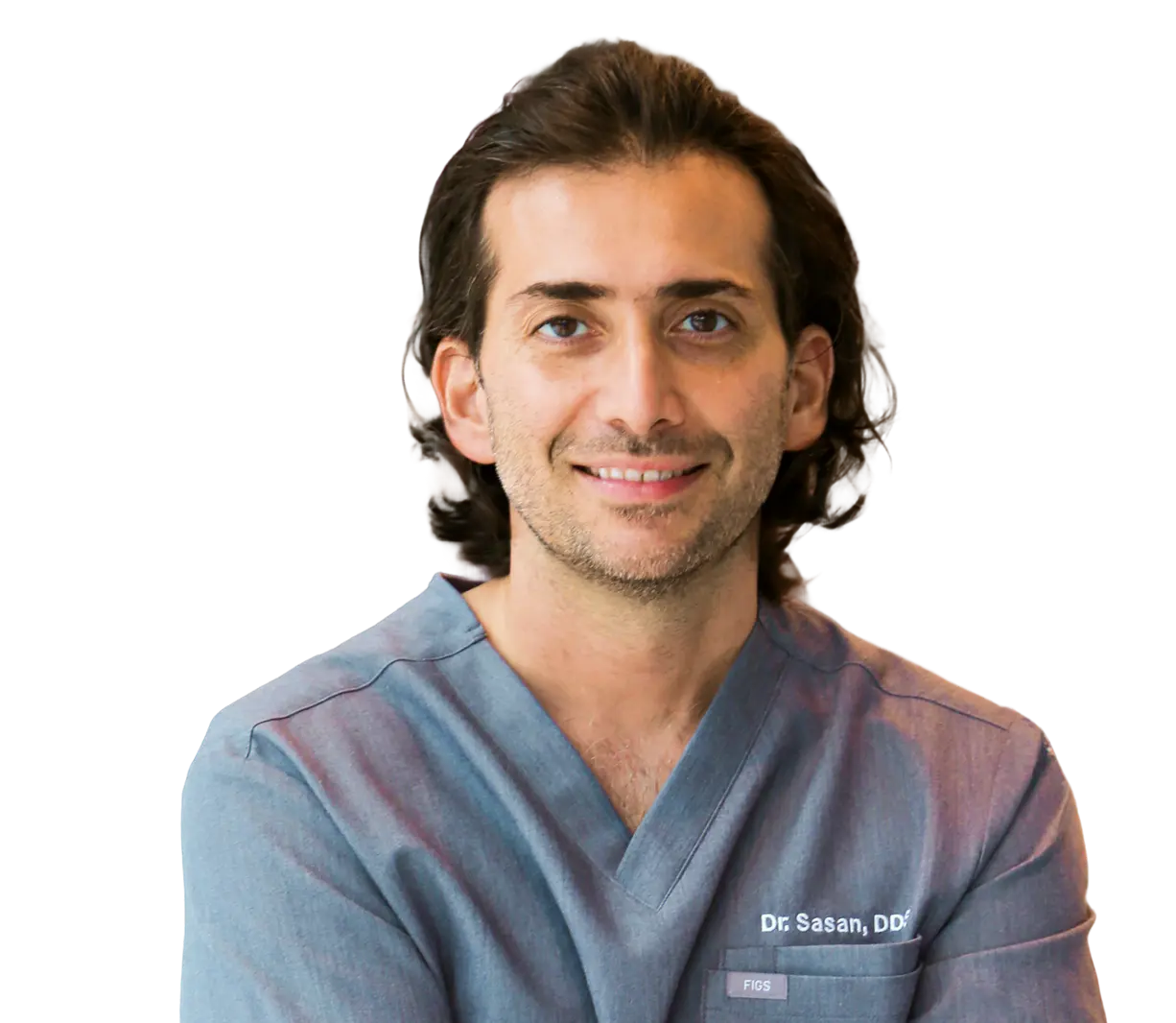
Begin Your Smile Journey With Dr. Sasan Hadianfar
What Really Determines Implant Eligibility—It’s Not Age
Forget the myth that there’s an age limit on dental implants. Many adults in their 60s, 70s, even 80s, make excellent candidates. At our Burnaby clinic, we focus on biology, not your birth certificate.
Here’s what actually matters:
Bone Health
Volume and density matter more than age. If bone is limited, we plan grafting or use narrow implants. Both are common and effective.
Medical Conditions
Heart disease, diabetes, and osteoporosis are not automatic disqualifiers. We assess your medical history, medications, and healing capacity with your physician if needed.
Oral Hygiene Habits
Success depends on hygiene and post-op care. Many of our older patients excel here because they’re consistent and proactive.
Healing Potential
Aging doesn’t stop healing. It just requires thoughtful timing. With modern planning, most older adults recover predictably and comfortably.
If you’re healthy enough for minor outpatient procedures, and you’re motivated to protect your oral health, you’re likely a good candidate.


What Modern Implants Actually Involve
Modern implant care is far more predictable than it used to be. With today’s digital tools and refined surgical techniques, treatment is safer, quicker, and better suited for adults of all ages.
At our clinic, dental implants in Burnaby begin with a 3D digital scan that maps your bone levels, nerve pathways, and ideal implant position. This scan allows us to design a guided placement plan—a precise, minimally invasive approach that improves comfort and healing.
Once the implant is placed, a short healing period allows the bone to integrate. After that, we design a custom crown, bridge, or full-arch restoration to match your bite, facial symmetry, and natural tooth shade.
A typical timeline looks like this: Digital scan → guided placement → healing → final restoration.
Digital Planning Replaces Guesswork
We begin with a 3D digital scan of your teeth and jaw. This scan tells us exactly where bone is strongest, how to avoid nerves and sinuses, and where your implant will fit best. It’s fast, accurate, and far more comfortable than traditional impressions.
Guided Implant Placement
Your scan is used to create a customized surgical guide, like GPS for your implant. This ensures precise placement down to the millimetre, minimizing discomfort and improving healing outcomes.
Smaller, Smarter Implants
You don’t need large amounts of bone for modern implants. We now use narrow or short implants designed specifically for patients with age-related bone loss or limited jaw space. That means less invasive procedures with highly successful results.
Faster Healing, Fewer Appointments
Today’s implants feature special surface coatings that encourage the bone to fuse more quickly and securely. That can reduce healing time and get you to your final restoration sooner with fewer visits.
Personalized Tooth Replacement
Once your implant heals, we design a crown, bridge, or full-arch restoration tailored to your bite, appearance, and lifestyle. The result feels natural and looks like your own teeth, because it’s designed to function just like them.
This isn’t one-size-fits-all dentistry. It’s digital, precise, and designed for your age, health, and smile goals.
If Bone Is Limited
Bone loss is common, especially for seniors or long-term denture wearers—but it rarely rules out implants. Understanding whether you need bone grafting simply helps us plan predictable solutions such as:
- Narrow or short implants for reduced ridge thickness
- Ridge preservation at the time of extraction to maintain bone
- Targeted bone grafting when additional support is needed
Thanks to modern imaging and planning, most older adults still qualify for implants, even with moderate bone loss.
Implants vs. Dentures: What Actually Works Long-Term?
Dentures have served as a long-standing replacement option. Still, they can’t match the stability, comfort, or long-term bone preservation that modern implants offer. Many seniors who compare dental implants vs. dental bridges and dentures ultimately choose implants for their durability and everyday ease of use.
Unlike dentures, implants are anchored into the jawbone, allowing you to chew, speak, and smile without worrying about movement or adhesives. Dentures rest on the gums, which can lead to slipping, soreness, and accelerated bone loss over time.
| Dentures vs. Implants in 2025 | ||
| Feature | Dentures | Implants (2025 Tech) |
| Stability | May Slip or Shift | Anchored to Jawbone |
| Eating Comfort | Limited, Cautious Bite | Feels Natural, Secure |
| Bone Health | Accelerated Bone Loss | Preserved Jawbone |
| Lifespan | 7–10 years | Implant Is Permanent; Crown May Need Replacement After 15–20 years |
| Maintenance | Remove and Soak Nightly | Brush and Floss Normally |
| Looks & Feel | Often Bulky or Loose | Custom-Fit, Natural Look |
Dental implants continue to be one of the most stable and functional options for seniors, who want natural chewing strength, a secure fit, and predictable long-term results.
Function and Stability
Implants act like your natural tooth roots. They stay in place while eating, laughing, or speaking. No slipping.
Dentures rest on the gums and rely on suction or adhesive, which can lead to discomfort and embarrassment during meals or social events.
Bone Preservation
When teeth are lost, the jawbone gradually shrinks. Dentures can’t stop this. Implants do. They stimulate the jaw during chewing, helping preserve facial structure and oral health.
For older adults, this means fewer changes in facial shape over time and better long-term support for your smile.
Hygiene and Care
Dentures require soaking, cleaning tablets, and careful handling. Implants are simpler. You brush, floss, and maintain them like natural teeth. That makes hygiene easier and more familiar for most seniors.
Longevity and Value
While dentures have a lower upfront cost, they often require relines, repairs, and replacements over time. Implants require a higher initial investment, but they’re designed to last decades, making them a more cost-effective and stable solution in the long run.

Why Seniors Trust Us with Their Implant Journey
If you’re exploring dental implants later in life, you’re not just looking for a product. You’re looking for the right plan, the right provider, and peace of mind that your care team understands the needs of older adults.
At Burnaby Dentist & Orthodontist, our dental services are tailored for seniors, combining advanced technology with compassionate care. We’ve helped hundreds of patients in their 60s, 70s, and beyond restore their smiles with long-lasting implants. Here’s what sets our approach apart:
✅ Precision-Driven from Day One: We start with digital scans and 3D imaging to map your bone volume, nerve positioning, and implant placement with millimetre-level accuracy. There’s no guesswork. Just data-informed planning built around safety, healing, and longevity.
✅ Personalized for Seniors: Older patients often need a different approach than younger ones. We consider your medical history, medications, healing profile, and oral hygiene capacity when designing your treatment plan. You’ll never get a one-size-fits-all solution here.
✅ Restorations That Feel Like You: We don’t stop at placing the implant. We carefully design your crown, bridge, or full-arch restoration to match your bite, facial structure, and natural tooth shade—so your final result looks and feels like it belongs.
✅ Long-Term Support: We see this as a partnership—not a procedure. After placement, we monitor your implant health, bone levels, and hygiene during routine visits. If adjustments are ever needed, we’re here with real support, not a waiting list.
Medications & Safety
Your health and safety come first. We coordinate with your physician when needed and review key considerations before planning any implant procedure, including:
- Diabetes control and its impact on healing
- Anticoagulant medications, with timing discussed safely
- Osteoporosis treatments (e.g., bisphosphonates) and bone response
- Heart or blood pressure medications relevant to surgery planning
This helps ensure predictable healing and the safest approach for your overall health.
Recovery & Follow-Ups
Healing after an implant is predictable when each stage is monitored properly. Here’s what seniors can expect:
First 48 Hours
Swelling and tenderness peak early, then begin to settle. Soft foods and rest are recommended during this period.
Around 2 Weeks
Gum tissue heals and most patients return to normal eating patterns. A follow-up visit allows us to check sutures and review hygiene.
Several Months (Case-Dependent)
The implant gradually fuses with your jawbone, creating the stable foundation needed for your crown, bridge, or denture. We monitor this stage with clinical checks and imaging as needed.
This timeline helps ensure your implant remains healthy and stable long-term, with adjustments made based on your individual healing pace.
Conclusion: It’s Not About Age. It’s About the Right Plan.
Being told you’re “too old” for implants is frustrating—and usually incorrect.
The truth is, age alone isn’t what makes or breaks candidacy. With today’s diagnostic tools, surgical precision, and senior-focused planning, adults in their 60s, 70s, and even 80s can safely receive dental implants that improve their comfort, chewing function, and long-term health.
At Burnaby Dentist & Orthodontist, we evaluate the factors that actually matter—bone quality, health profile, and healing potential. During your assessment, we also review reasons to get routine dental checkup appointments, since consistent monitoring helps protect your implant for decades to come.
Let’s start with a scan. We’ll assess your bone health, walk you through your choices, and help you decide what makes the most sense for your smile.
Book your consultation today. The right time isn’t behind you—it’s now.