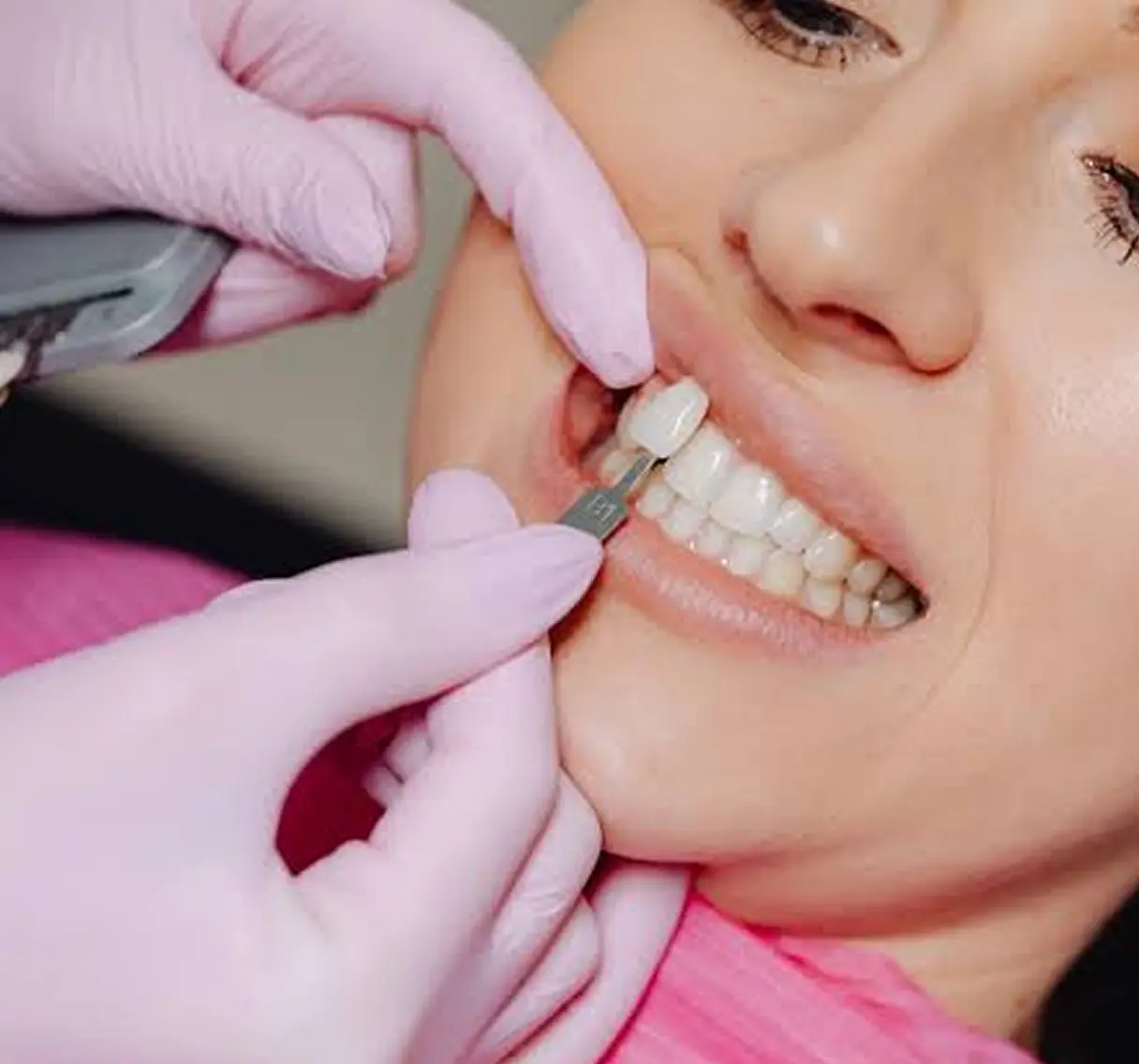
Chipped Tooth Repair in Burnaby
Chipped, cracked, or broken teeth can affect comfort, appearance, and long-term tooth strength. Early evaluation and conservative treatment can help prevent further damage while restoring normal function and a natural-looking smile.

What our Patient Think About Us?
Posted on Google
loveleen dhanoaTrustindex verifies that the original source of the review is Google.
I was scheduled for full checkup and cleaning. Randeep was so sweet, polite and experienced. At every point of the appointment, she made sure that I knew what was happening and If I was in any pain. She made my experience very smooth and less scary. She did an amazing job on cleaning and explaining everything. Dr. Sasan explained clearly about what is needed or not about my dental insecurities. Front Staff was nice and polite. Highly recommended!Posted on Google
James YipTrustindex verifies that the original source of the review is Google.
Amazing staff and facilities here and had a great time doing regular check up and cleanings. Would love to be backPosted on Google
fardad faridiTrustindex verifies that the original source of the review is Google.
Thanks for your good servicePosted on Google
Alyoshka MyshkoTrustindex verifies that the original source of the review is Google.
Posted on Google
Carlotta CrestanelloTrustindex verifies that the original source of the review is Google.
The best experience!! I was so nervous for my wisdom tooth extraction and the whole staff was so supportive. Highly recommended, everyone should feel like this when they go to the dentist. I ended up having fun!!!Posted on Google
Sunny Lee-GordonTrustindex verifies that the original source of the review is Google.
Ghazal was informative and caring! Loved my cleaning session with her :) definitely will come back!Posted on Google
Elan AsselstineTrustindex verifies that the original source of the review is Google.
Have come here for several years and now come with my kids (7 and 4), great experience, very friendly.Posted on Google
Andrew WuTrustindex verifies that the original source of the review is Google.
Patient and kind with their service. Much needed when it comes to teeth cleaningPosted on Google
Layla SongTrustindex verifies that the original source of the review is Google.
The dentist was professional and gentle – the whole experience was smooth and comfortable. Highly recommend!Posted on Google
Jas JaskaranTrustindex verifies that the original source of the review is Google.
Great service, staff and doctor are friendly. They’re giving very open and transparent service so feel comfortable with all the procedures and treatments.
What Is a Chipped or Broken Tooth?
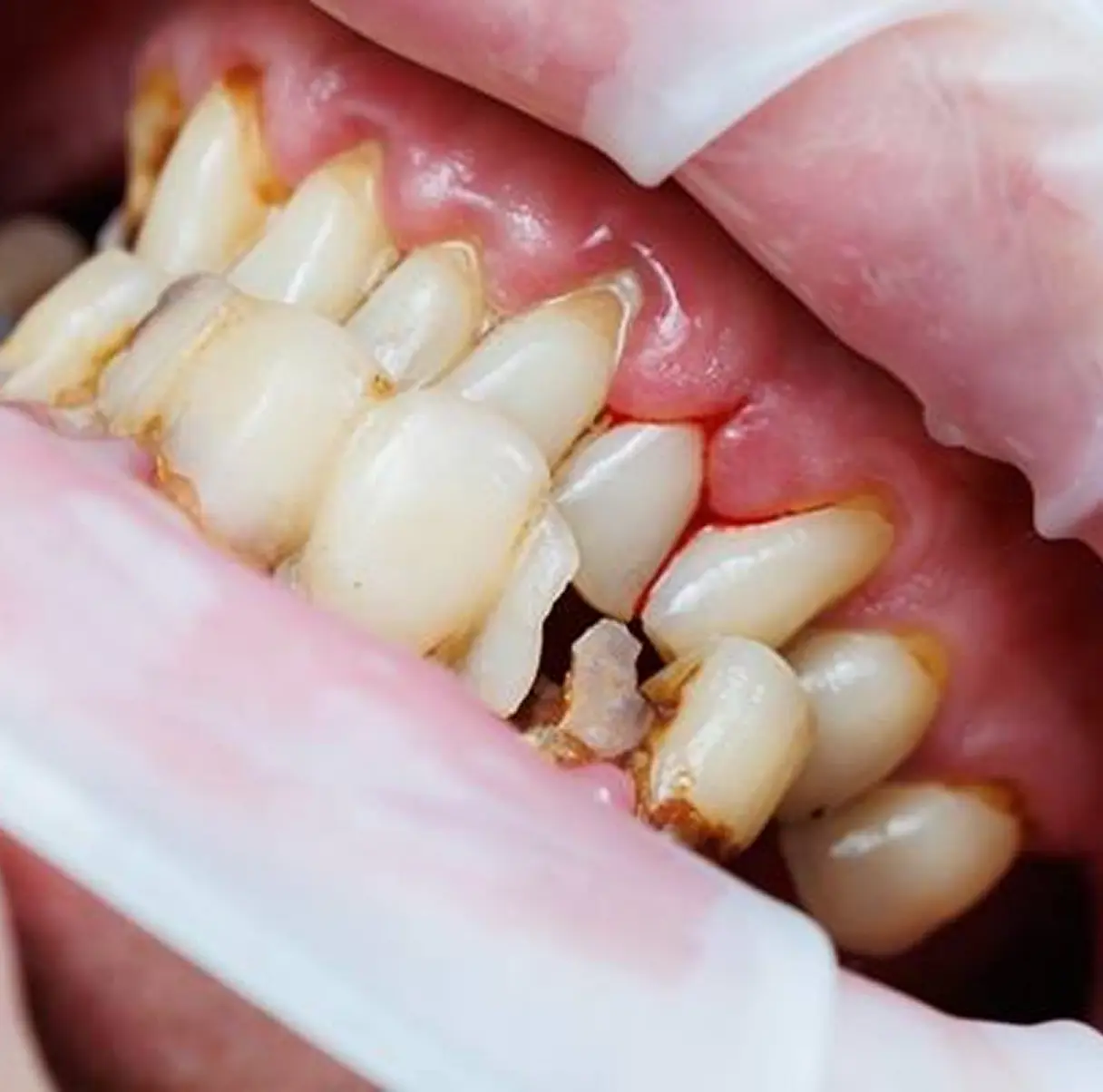
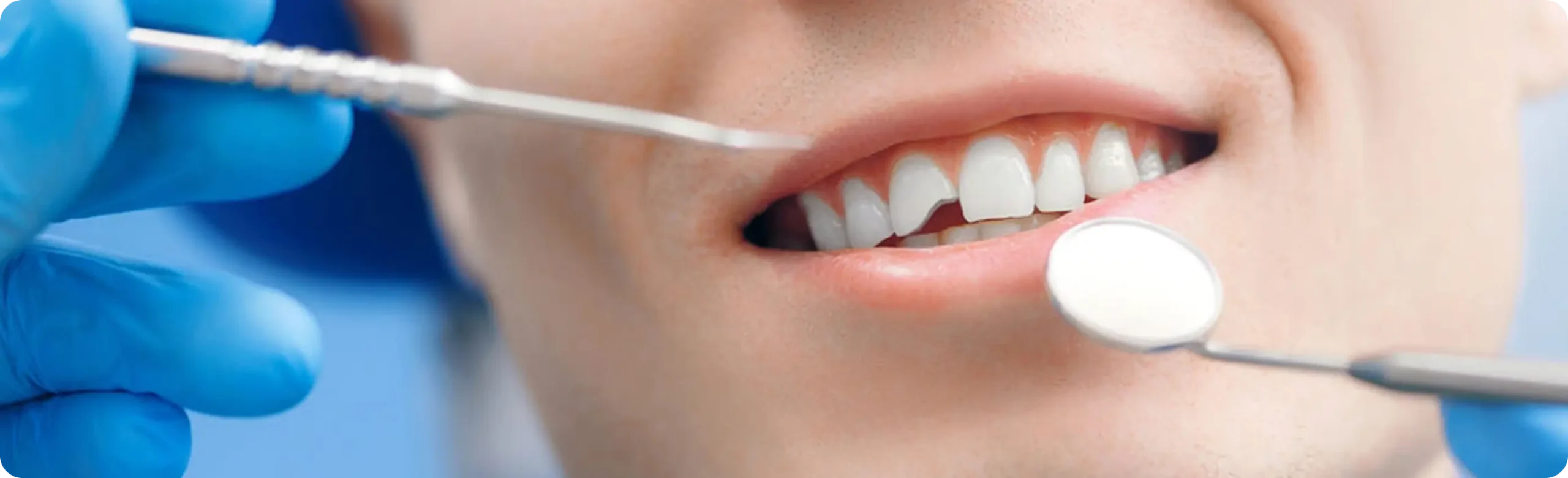
A chipped or broken tooth refers to any loss or cracking of the tooth’s outer structure, ranging from a minor enamel chip to a deeper fracture that affects strength, comfort, or the inner nerve. Some damage is obvious, while other forms can be easy to miss without a dental exam.

Small Chips vs. Larger Fractures
Small chips often affect only the enamel and may seem cosmetic, especially if there is no pain. Larger fractures extend deeper into the tooth and can compromise its strength and bite stability. The size of the damage doesn't always reflect its seriousness. A small chip in the wrong area can weaken the tooth or allow cracks to spread over time.
Cracks That Are Hard to See
Hairline cracks may not be visible to the naked eye and can cause symptoms that come and go. Pain or sensitivity may appear when chewing or with hot and cold foods, then disappear, making the problem easy to ignore. These cracks can worsen without treatment, even if discomfort feels mild or inconsistent.
Damage Caused by Trauma, Biting, or Decay
Some teeth break from a sudden impact, such as a fall or sports injury, while others fracture because the tooth has been weakened from the inside. Biting hard foods or objects can trigger breaks in teeth with existing decay or old fillings. Teeth with large or aging restorations are more vulnerable, as less natural tooth structure remains to absorb normal biting forces.

Is a Chipped Tooth a Dental Emergency?
Not every chipped tooth is a dental emergency and requires urgent treatment, but some situations do need prompt dental care to prevent pain, infection, or more serious damage. Here is when a chipped or broken tooth should be treated right away and when it can be safely assessed during a regular dental visit.

When Immediate Care Is Needed
Seek dental care promptly if you experience:
- Pain or bleeding.
- Sharp edges irritating your tongue or cheeks.
- Difficulty chewing or speaking.
- Changes in your bite.
Early evaluation helps prevent further damage.

Signs of Nerve or Structural Damage
Sensitivity to hot or cold, especially if it lingers, can indicate that the inner layers of the tooth are involved. Persistent throbbing, pressure, or pain when biting may signal deeper structural damage or nerve irritation, even if the tooth looks mostly intact.

Why Early Repair Prevents Bigger Problems
Addressing a chipped or broken tooth early helps protect the tooth and avoid more complex treatment later.
- Cracks can spread with everyday biting
- Infection risk increases over time
- Delays may lead to root canal or extraction
- Early repairs are often less complex and may help reduce the need for more extensive treatment later.
At Burnaby Dentist and Orthodontist Clinic
Begin Your Smile Journey with Dr. Hadianfar

Common Causes of Chipped or Broken Teeth
Chipped and broken teeth are common and often happen during normal daily activities. In many cases, damage occurs suddenly, while in others it develops over time as the tooth becomes weaker.

Accidents or Falls
Slips, falls, and sports-related impacts are frequent causes of chipped or broken teeth. Even minor accidents, such as bumping your mouth or falling forward, can generate enough force to damage a tooth, especially the front teeth.

Biting Hard Foods or Objects
Teeth can chip or fracture when biting down on hard items like ice, nuts, pens, or food packaging. These forces can exceed what the tooth structure can handle.
Existing Decay or Weak Fillings
Teeth weakened by decay or large, aging fillings are more vulnerable to breaking. When less natural tooth structure remains, normal chewing forces can cause the tooth to crack or fracture unexpectedly.
Teeth Grinding or Clenching
Nighttime grinding or stress-related clenching places repeated pressure on the teeth. Over time, this excessive force can wear down enamel, create cracks, and increase the likelihood of chipping or breaking, even without a single obvious incident.

How Are Chipped or Broken Teeth Repaired?
Below are the most common ways we repair chipped or broken teeth, based on the extent of damage, whether the nerve is involved, and how the tooth functions during everyday chewing and speaking.

Dental Bonding for Minor Chips
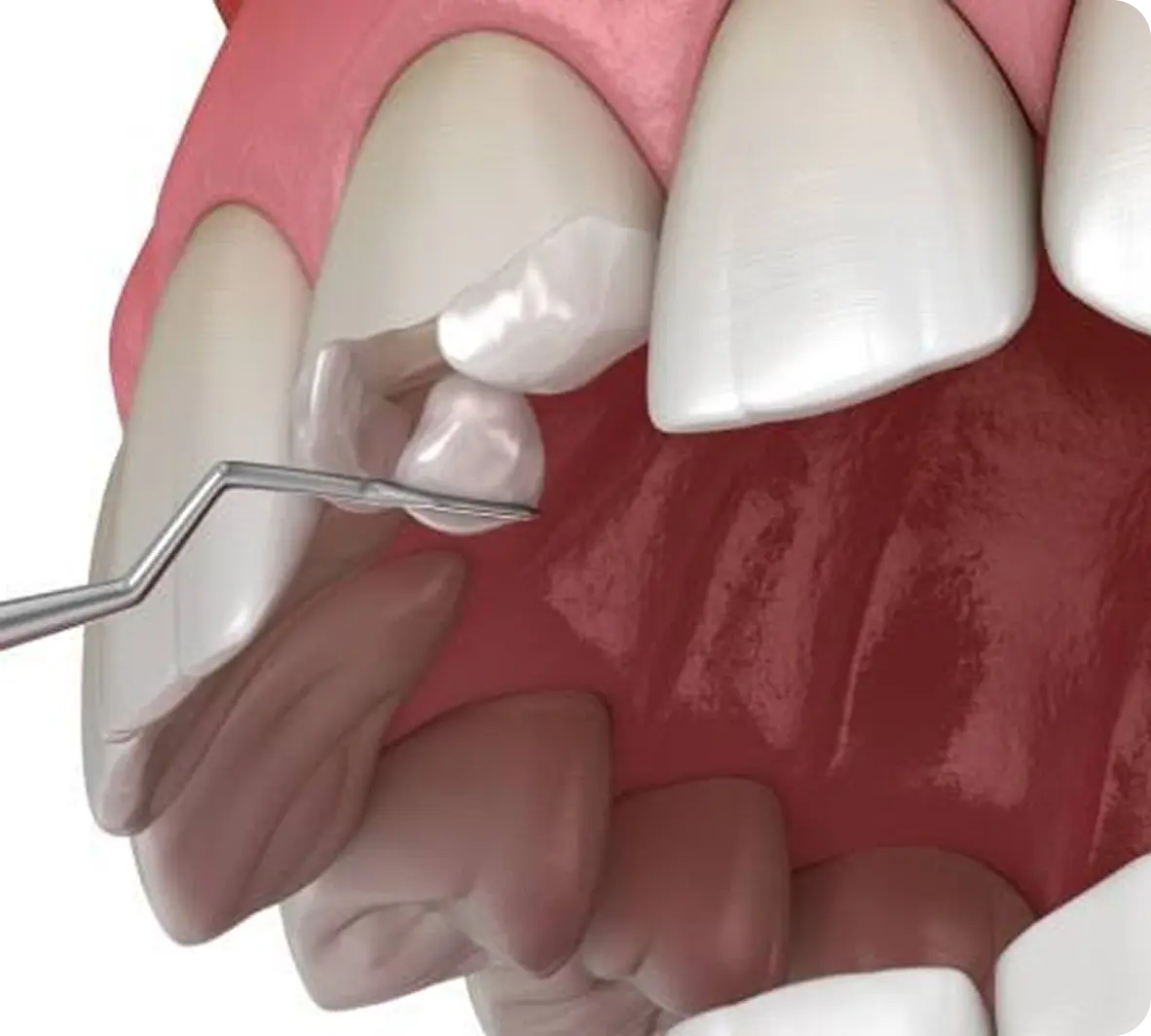
- We often repair small chips with dental bonding, a conservative treatment that can usually be completed in a single visit. We shape and bond a tooth-coloured material to the damaged area to restore the tooth's appearance and function while maintaining its natural structure.

Dental Crowns for Larger Breaks
- For teeth with larger breaks or significant structural loss, we may recommend a dental crown. Crowns fully cover and protect the tooth, restoring its strength and helping it withstand normal biting forces.

Onlays or Veneers When Appropriate
- In some cases, partial-coverage restorations such as onlays or veneers are suitable alternatives to full crowns. We use these options when damage is limited to certain areas of the tooth and full coverage is not required, helping preserve more natural tooth structure.

Root Canal Treatment if the Nerve Is Affected
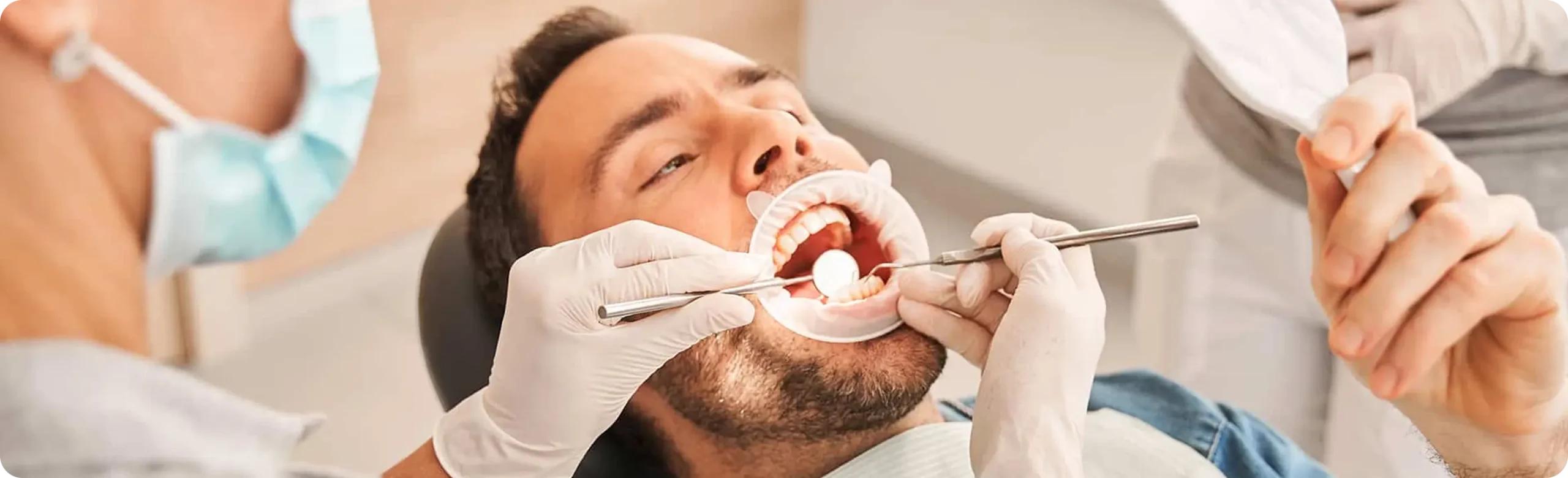
- If a fracture reaches the inner nerve of the tooth, we may recommend root canal treatment to remove infection and relieve pain while saving the tooth. After treatment, the tooth is restored to protect it from further damage.
What Happens During a Repair Appointment?
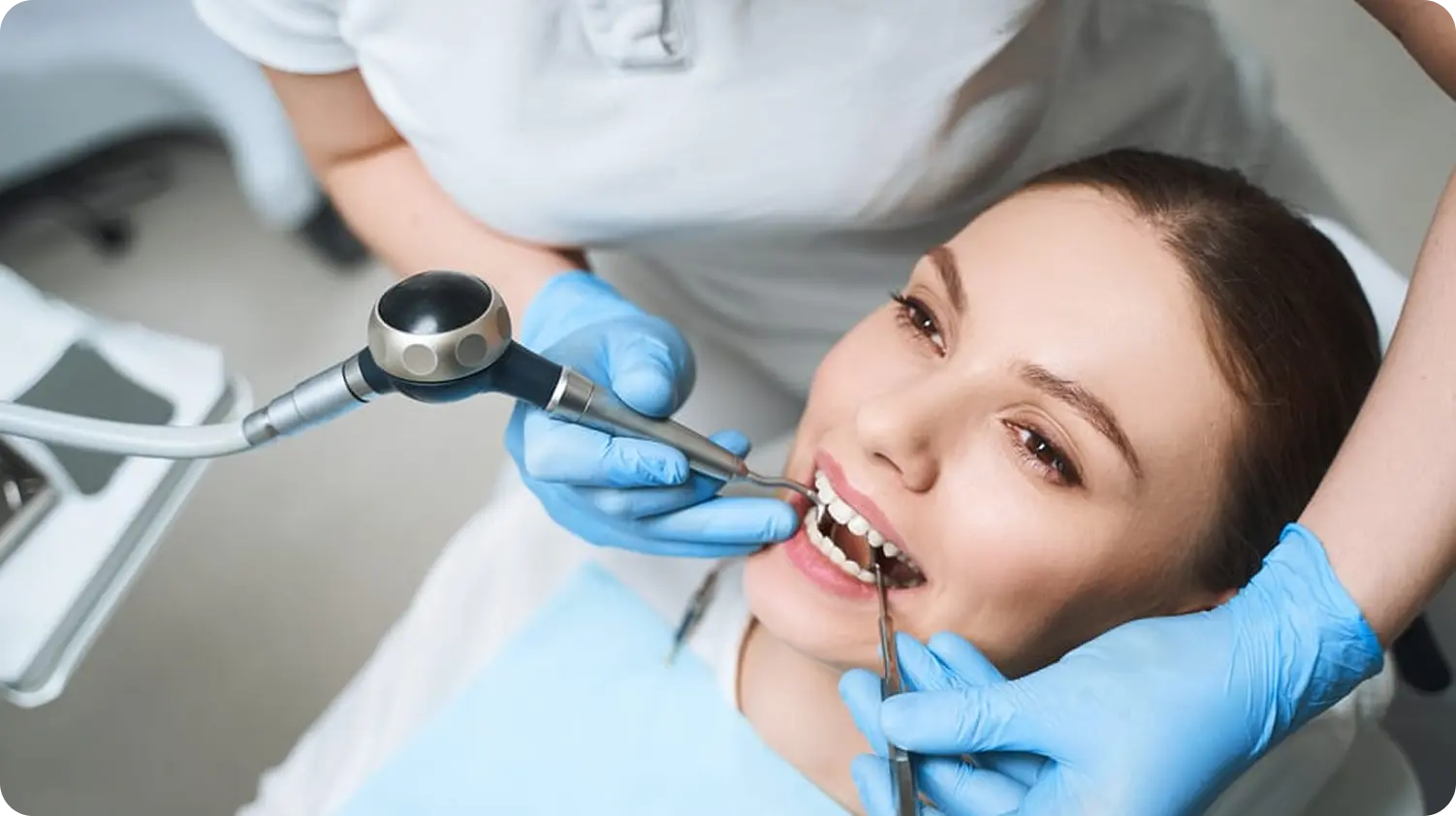
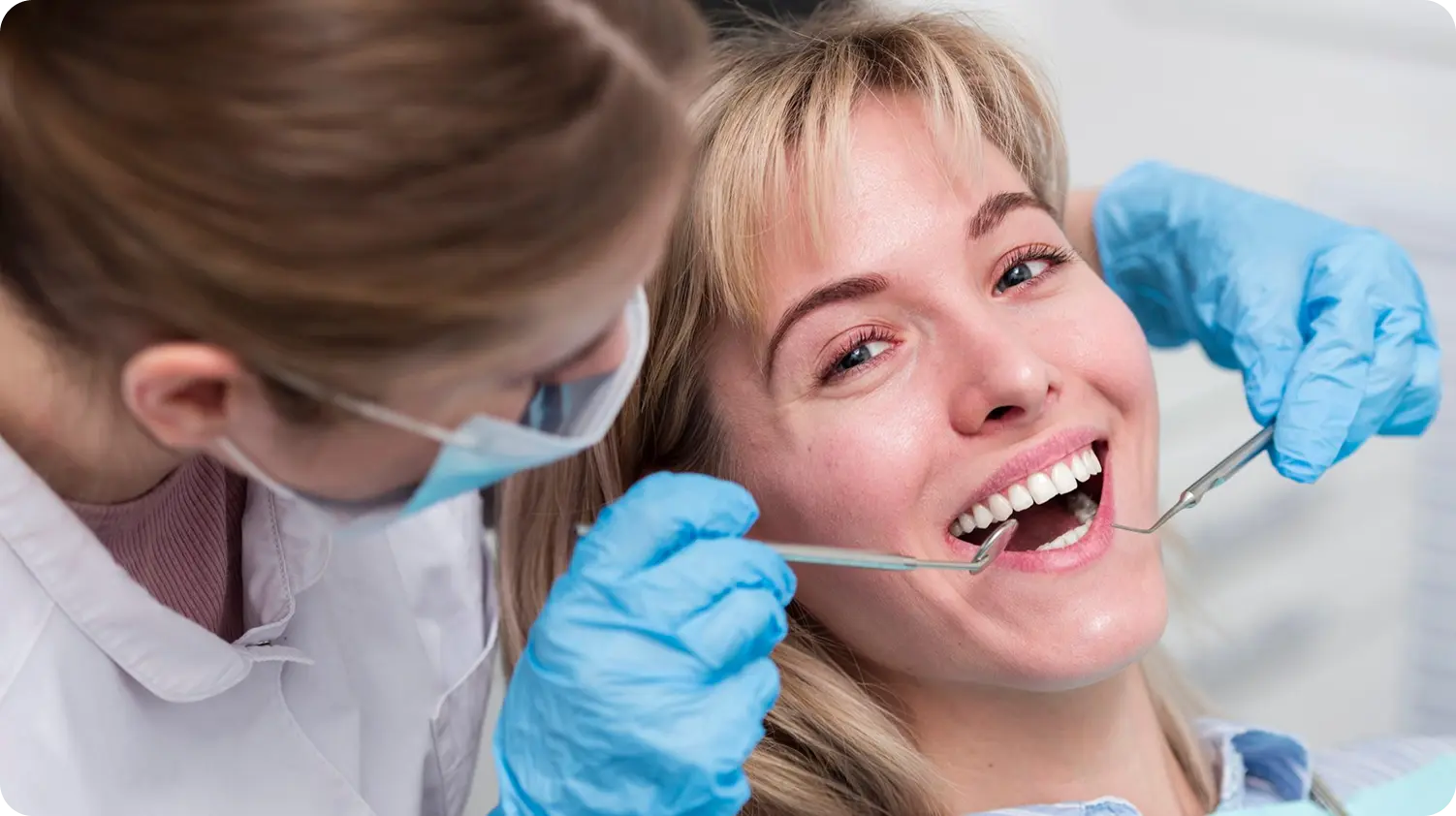
During your repair appointment, we focus on accurately diagnosing the damage, keeping you comfortable, and restoring your tooth in a way that feels natural and protects it long term.


Exam & Imaging to Assess Damage
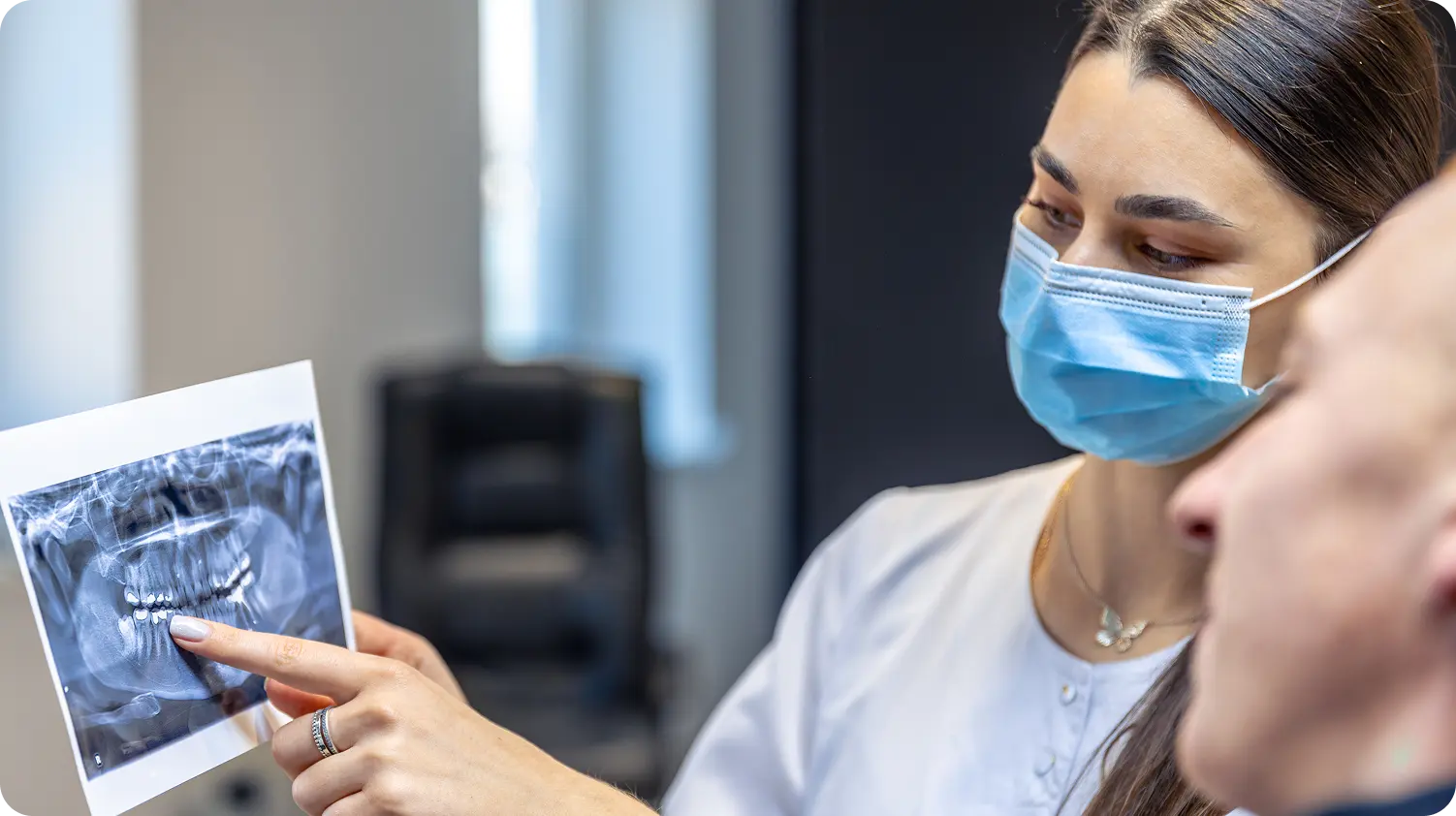
We begin with a careful visual exam of the tooth and surrounding areas. X-rays are used when needed to check for hidden cracks, nerve involvement, or structural damage that isn't visible on the surface.

Local Anesthesia for Patient Comfort
Before treatment begins, we use local anesthesia to numb the area and keep you comfortable throughout treatment. We also explain each step before and during the procedure so you know what to expect.

Restoring Shape, Strength & Appearance
We carefully rebuild the damaged tooth to restore its natural shape, strength, and function. Bite alignment is checked to ensure even pressure, and materials are selected to blend naturally with your surrounding teeth.

Protecting the Tooth From Future Damage
Once the repair is complete, we reinforce the tooth as needed with coverage, sealants, or protective restorations. This helps reduce stress on the tooth and lowers the risk of future cracking or breakage.
Will Repairing a Broken Tooth Hurt?
Most patients are concerned about pain, but chipped and broken tooth repairs are typically comfortable and well controlled. We focus on minimizing discomfort during and after treatment so you can feel at ease throughout the process.
Pain Control During Treatment
We use local anesthetics to fully numb the area before treatment begins. Care is delivered in a calm, controlled manner, with frequent check-ins.
Sensitivity After Repair Is Usually Temporary
Some mild sensitivity to pressure or temperature is normal after a repair and usually resolves as the tooth settles. This is part of the healing process and typically improves within a short period of time.
Clear Aftercare Instructions for Comfort
We provide clear guidance on eating, chewing, and daily care after your appointment. Basic pain management recommendations are also shared to help you stay comfortable.
What If a Broken Tooth Is Left Untreated?
Leaving a chipped or broken tooth untreated can allow what starts as a minor issue to develop into a more serious dental problem.


Worsening Cracks or Breakage
Small cracks can gradually spread with normal chewing and biting forces. As the tooth weakens, the risk of larger fractures or sudden breakage increases, sometimes requiring more extensive treatment than would have been needed earlier.
Risk of Infection or Nerve Damage
When damage exposes deeper layers of the tooth, bacteria can enter and cause infection. This may lead to inflammation of the nerve, abscess formation, and increased pain.
Chewing Problems & Bite Changes
A broken tooth can interfere with how your teeth come together when you bite. Uneven force distribution may place added stress on nearby teeth and jaw muscles, potentially leading to bite changes, tooth wear, or jaw discomfort over time.
Cosmetic Concerns Over Time
Chipped and broken teeth often become more noticeable if left untreated. Edges can wear down further, discoloration may develop, and the overall appearance of the tooth can deteriorate.
Schedule Your Assessment
A chipped or broken tooth is best evaluated sooner rather than later to avoid further damage or discomfort. Schedule an appointment to have the tooth assessed and discuss the most appropriate repair options.
How Long Do Chipped Tooth Repairs Last?
Here’s what to expect when it comes to the durability of chipped tooth repairs and the factors that influence how long they last.


Longevity Depends on the Repair Type
The lifespan of a repair depends on whether bonding, a crown, or an onlay is used, as each offers different durability and protection levels.
Daily Care Makes a Difference
Good brushing and flossing habits help protect repaired teeth, reduce wear, and prevent decay that could compromise the restoration over time.
Regular Dental Checkups Help Protect Repairs
Routine dental visits allow early detection of wear or damage and support ongoing maintenance to extend the life of chipped tooth repairs.
Which Patients Benefit Most From Prompt Repair?
Certain chipped or broken teeth benefit from early repair more than others. Addressing damage promptly helps protect function, comfort, and appearance, especially in situations where teeth are under greater stress or more visible.

Front Teeth With Visible Chips
- Chips in front teeth are often noticeable when smiling or speaking. Prompt repair helps restore appearance and confidence while preventing small chips from spreading or becoming more visible over time.

Molars Used for Heavy Chewing
- Back teeth absorb most chewing forces and are more likely to worsen if damaged. Early repair helps protect these teeth from further cracking and maintains proper chewing function.

Teeth With Pain or Sensitivity
- Teeth that cause pain or sensitivity may have deeper damage involving the nerve. Prompt evaluation and repair reduce the risk of infection and help preserve the tooth.

Patients With Active Lifestyles or Sports

- Active individuals face a higher risk of repeat trauma. Repairing chipped or broken teeth early helps strengthen the tooth and lowers the chance of additional damage during daily activities or sports.
Caring for a Tooth After Repair
Let’s go over a few simple steps you can take to protect your repaired tooth and support long-term comfort and durability.

Normal Brushing & Flossing
After a repair, continue normal brushing and flossing to keep the tooth and surrounding gums healthy. No special tools are required, but gentle technique and consistent daily care help protect the restoration and reduce the risk of future decay.
Avoiding Hard Biting Initially
Avoid biting hard foods or objects on the repaired tooth for a short healing period. This allows the restoration to settle properly and reduces stress on the tooth while strength and bite balance are being re-established.

Night Guards for Grinding When Recommended
If grinding or clenching is a concern, we may recommend a night guard to protect your repaired tooth. Wearing it during sleep helps absorb pressure and extend the life of the restoration.
CDCP
Important Information for CDCP Patients
Treatment under the Canadian Dental Care Plan is not fully covered. A co-payment will apply.

Why Burnaby Patients Trust Us for Tooth Repair
Our clinic emphasizes timely access, conservative treatment planning, clear communication, and patient comfort at every stage of care.
Prompt Appointments When Possible
Tooth damage often happens unexpectedly, and waiting too long can allow cracks to spread or pain to increase. We aim to offer prompt appointments whenever possible so damaged teeth can be assessed early, stabilized, and protected before the problem becomes more complex.

Conservative, Tooth-Saving Approach
Our approach to chipped and broken tooth repair is guided by preserving natural tooth structure whenever possible. We carefully evaluate the depth, location, and cause of the damage before recommending treatment, choosing options that restore strength and function without removing healthy tooth material unnecessarily. This conservative mindset supports stronger, healthier teeth over time.

Clear Communication & Treatment Options
We believe patients should feel confident and informed about their dental care. During your visit, we clearly explain what we see, why a repair is needed, and which options are appropriate for your situation. There is no pressure to choose a specific treatment, our role is to provide clarity so you can make decisions that feel right for you.

Focus on Comfort & Long-Term Results
Comfort is built into every step of the repair process, from gentle numbing techniques to careful bite adjustments and aftercare guidance. Beyond immediate comfort, we focus on restorations designed for strength and natural appearance.

Plan Your Visit to Burnaby Dentist and Orthodontist
A healthier, fresher smile starts with professional care you can trust. At Burnaby Dentist & Orthodontist, our team is here to make every hygiene visit comfortable, effective, and stress-free.
Whether you’re due for your regular cleaning or booking your very first appointment with us, we’ll guide you through each step from scheduling to insurance support so you can focus on your health with confidence.
Book your dental hygiene appointment online or call (604) 437-7723 today. New patients are always welcome
- Visit us: 3999 Kingsway-Burnaby, BC V5H 1Y8
- +1 (604) 437-7723
FAQs
Is a chipped tooth always an emergency?

Not always. Small chips without pain can sometimes wait for a scheduled visit, but teeth with sensitivity, sharp edges, or visible fractures should be evaluated promptly.
What should I do immediately after chipping a tooth?

Rinse your mouth, avoid chewing on that side, and contact a dentist for an assessment. Early evaluation may help prevent the crack from worsening.
Can a chipped tooth heal on its own?

No. Enamel does not regenerate, and existing damage can progress over time without professional repair.
How do dentists fix a small chip?

Minor chips are often repaired with tooth-coloured bonding material that restores shape, smoothness, and appearance in a single visit.
How is a badly broken tooth treated?

Larger breaks may require a crown or other protective restoration to rebuild strength and allow the tooth to handle normal biting forces.
How do I know if the nerve is damaged?

Lingering sensitivity, throbbing pain, or discomfort when biting can indicate deeper involvement and should be checked as soon as possible.
Will my repaired tooth look natural?

In most cases, materials are selected to closely match surrounding teeth so the restoration blends naturally. Results vary depending on the specific repair and individual circumstances.

Contact Us Today!
Invisalign and Orthodontics at Burnaby Dentist and Orthodontist
- Straighten crooked and misaligned teeth
- Conceal chips, cracks, and discoloured teeth
- Whiten and brighten your smile
- Take years off the look of your teeth
- Boost your self-esteem!
Monday
9 AM – 5 PM
Tuesday
8 AM – 5 PM
Wednesday
9 AM – 6 PM
Thursday
9 AM – 5 PM
Friday
9 AM – 5 PM
Saturday
9 AM – 4 PM