

Intraoral Camera in Burnaby
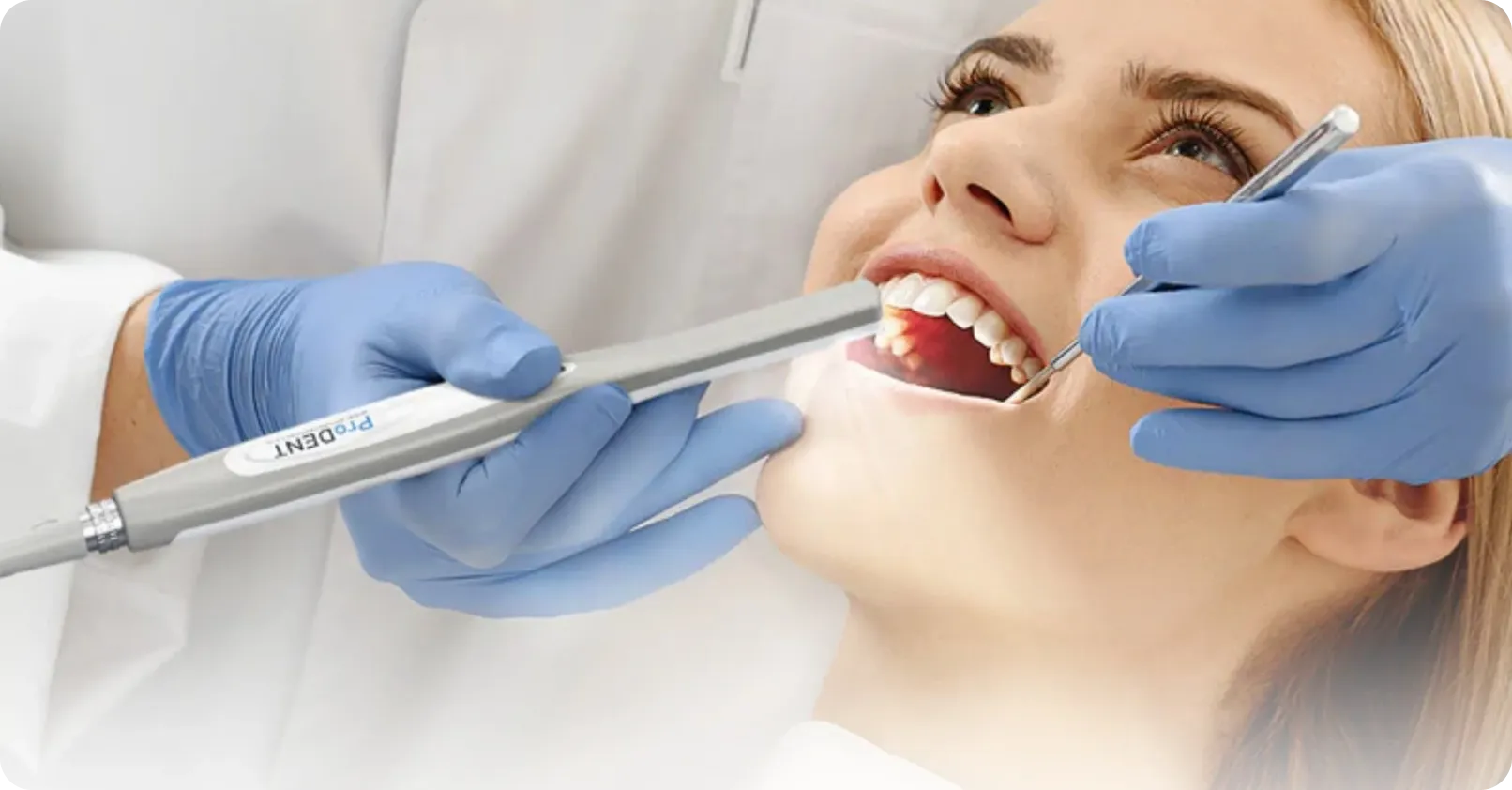
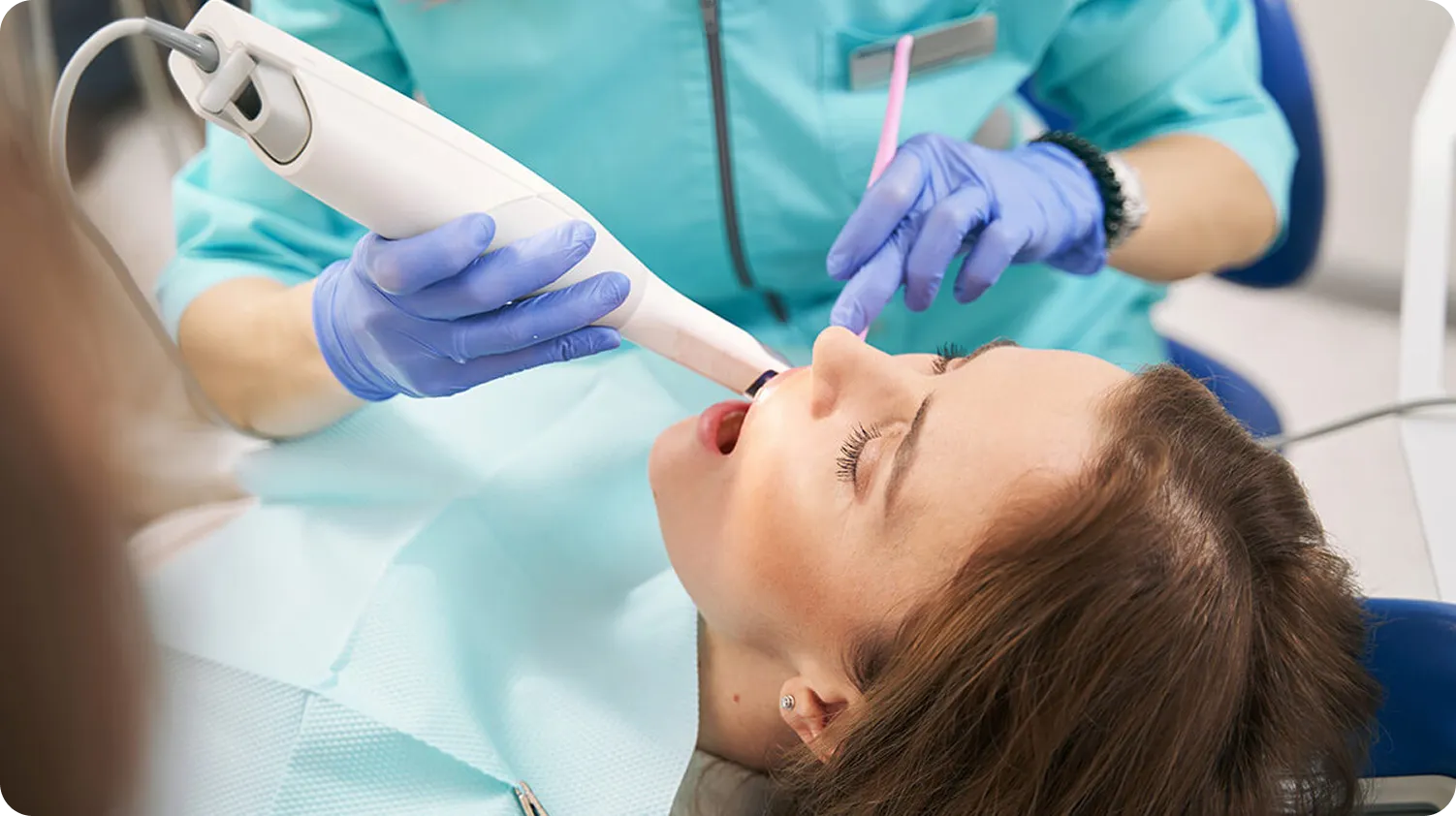
Intraoral cameras capture detailed images of your teeth and gums during your examination, helping you better understand your oral health during your dental exam.

What our Patient Think About Us?
Posted on Google
loveleen dhanoaTrustindex verifies that the original source of the review is Google.
I was scheduled for full checkup and cleaning. Randeep was so sweet, polite and experienced. At every point of the appointment, she made sure that I knew what was happening and If I was in any pain. She made my experience very smooth and less scary. She did an amazing job on cleaning and explaining everything. Dr. Sasan explained clearly about what is needed or not about my dental insecurities. Front Staff was nice and polite. Highly recommended!Posted on Google
James YipTrustindex verifies that the original source of the review is Google.
Amazing staff and facilities here and had a great time doing regular check up and cleanings. Would love to be backPosted on Google
fardad faridiTrustindex verifies that the original source of the review is Google.
Thanks for your good servicePosted on Google
Alyoshka MyshkoTrustindex verifies that the original source of the review is Google.
Posted on Google
Carlotta CrestanelloTrustindex verifies that the original source of the review is Google.
The best experience!! I was so nervous for my wisdom tooth extraction and the whole staff was so supportive. Highly recommended, everyone should feel like this when they go to the dentist. I ended up having fun!!!Posted on Google
Sunny Lee-GordonTrustindex verifies that the original source of the review is Google.
Ghazal was informative and caring! Loved my cleaning session with her :) definitely will come back!Posted on Google
Elan AsselstineTrustindex verifies that the original source of the review is Google.
Have come here for several years and now come with my kids (7 and 4), great experience, very friendly.Posted on Google
Andrew WuTrustindex verifies that the original source of the review is Google.
Patient and kind with their service. Much needed when it comes to teeth cleaningPosted on Google
Layla SongTrustindex verifies that the original source of the review is Google.
The dentist was professional and gentle – the whole experience was smooth and comfortable. Highly recommend!Posted on Google
Jas JaskaranTrustindex verifies that the original source of the review is Google.
Great service, staff and doctor are friendly. They’re giving very open and transparent service so feel comfortable with all the procedures and treatments.
What Is an Intraoral Camera?
An intraoral camera is a small dental device that allows your dentist to capture clear, detailed images inside your mouth. It helps you see your teeth and gums up close during your dental exam, making it easier to understand your oral health in real time.

How Intraoral Cameras Work

Magnified images can give the dentist a closer view of visible tooth surfaces, gum tissue, restorations, and other areas of concern. These images support documentation and clinical assessment but are interpreted together with the hands-on examination and any other indicated diagnostic tests.

The Role of Water Irrigation
What the Camera Can Show
Intraoral cameras may show:
• Visible front, back, and chewing surfaces of teeth
• Accessible areas along the gumline
• Gum tissue and other visible soft tissues
• Fillings, crowns, and other visible dental work
• Areas of plaque, calculus, staining, wear, or surface damage

Real-Time Imaging During Exams
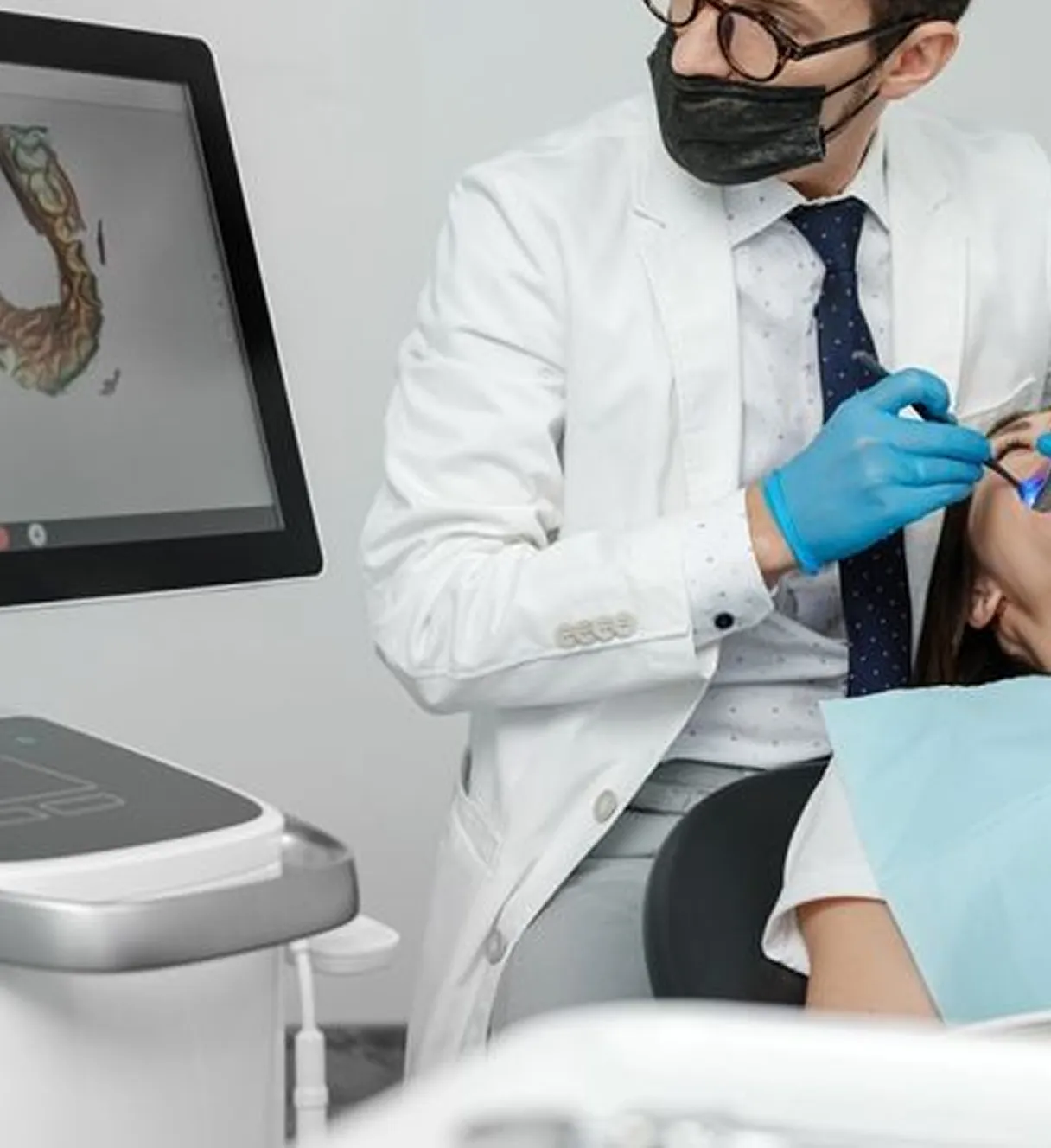
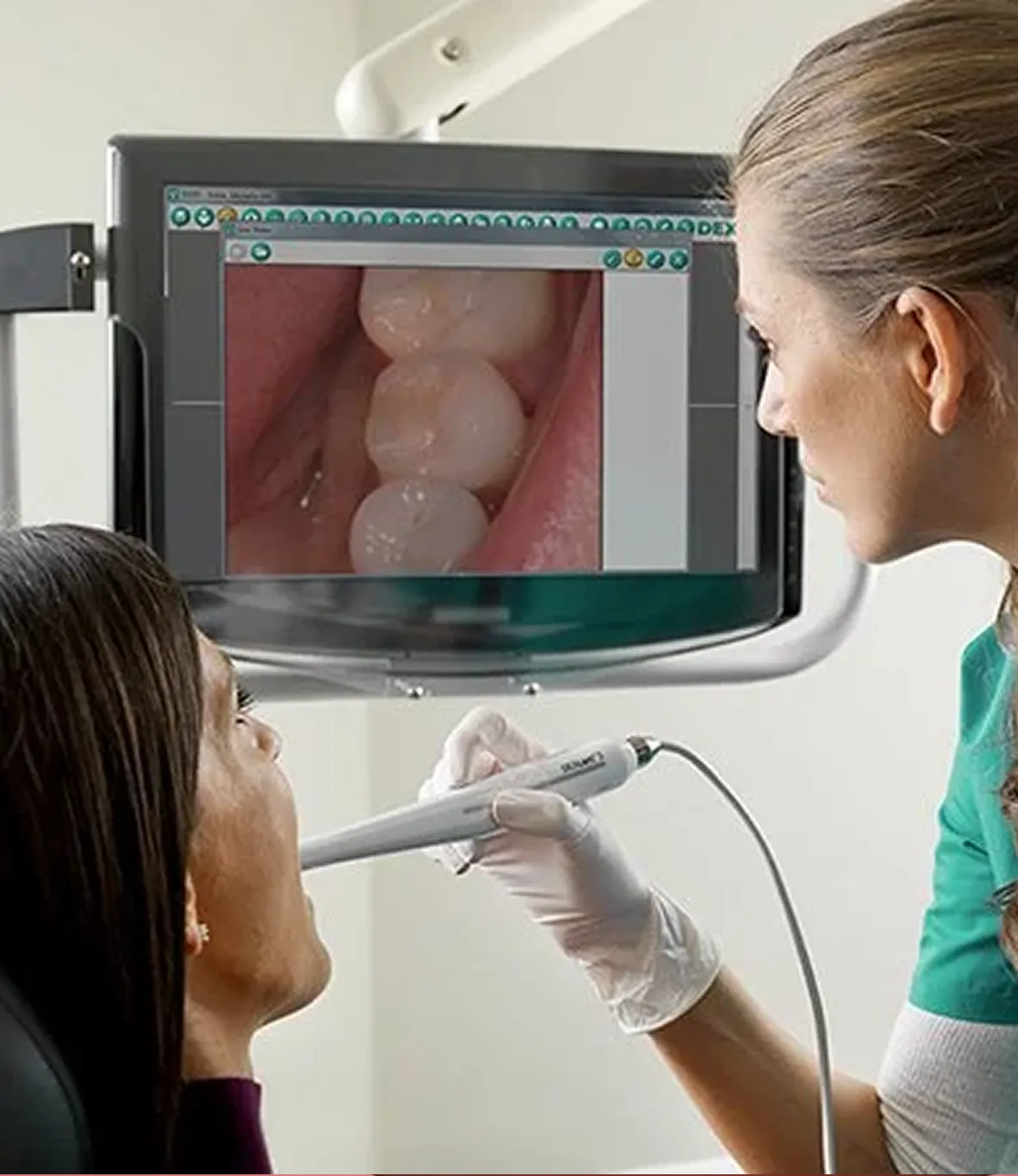
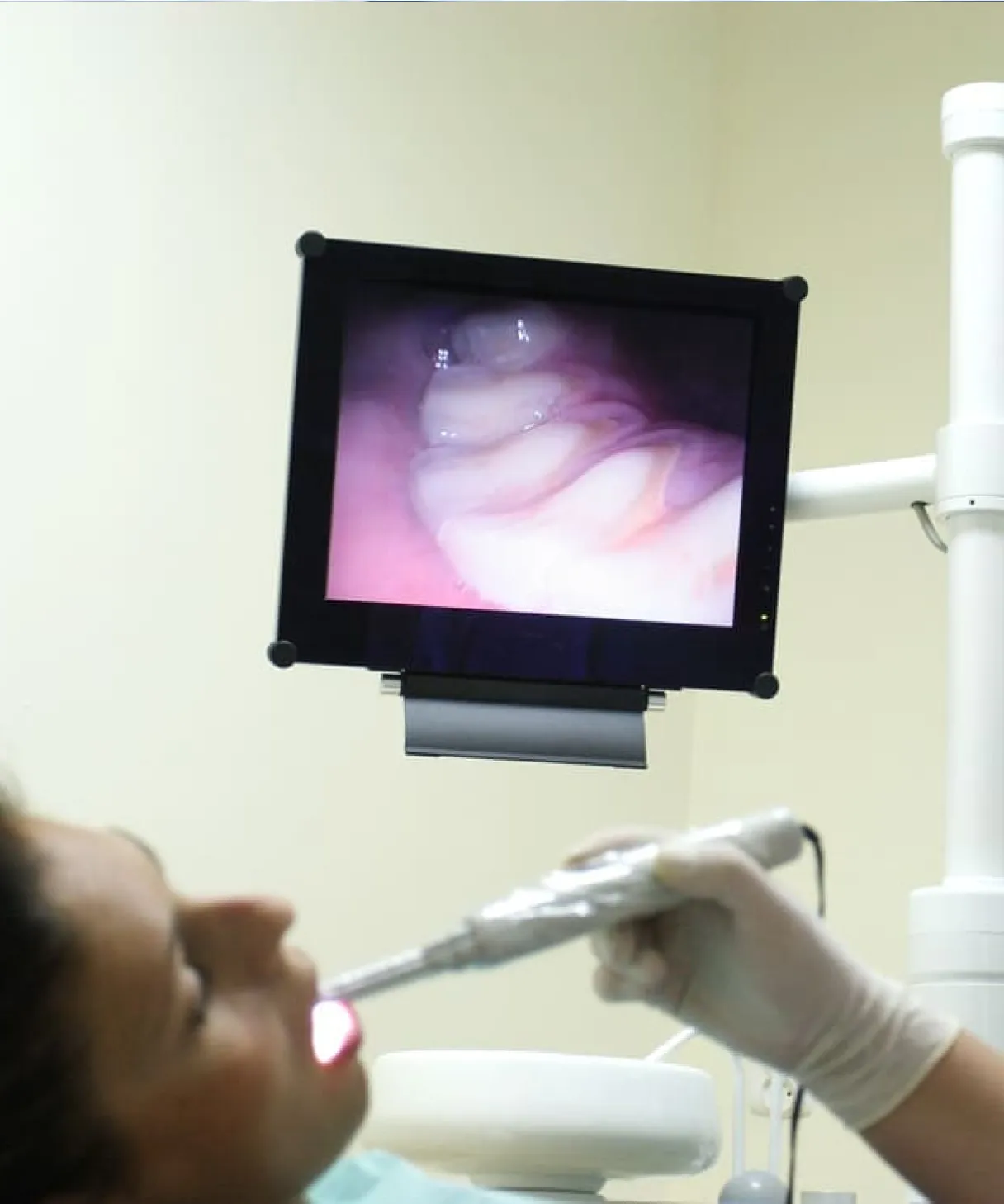
The camera displays images on a nearby screen as the examination is performed. Selected images may be captured and added to the patient record when clinically useful, allowing the dental team to explain visible findings and compare documented areas at future visits.

At Burnaby Dentist and Orthodontist Clinic
Begin Your Smile Journey with Dr. Hadianfar

Why Dentists Use Intraoral Cameras
Dentists may use intraoral cameras to obtain enlarged images of visible areas that are difficult for patients to view on their own. The photographs can support documentation, clinical assessment, patient education, and comparison over time.

Enhanced Visualization for Clinical Assessment

Magnified images can give the dentist a closer view of visible tooth surfaces, gum tissue, restorations, and other areas of concern. These images support documentation and clinical assessment but are interpreted together with the hands-on examination and any other indicated diagnostic tests.

Closer Evaluation of Visible Changes
Intraoral images may help document visible changes such as discolouration, surface irregularities, damaged restorations, or inflamed gum tissue. When a concern is seen, the dentist may recommend further examination, monitoring, X-rays, or other diagnostic steps before determining whether treatment is needed.

Supporting Preventive Care
By capturing and saving images over time, intraoral cameras make it easier to track changes in your oral health. This supports a proactive approach, aiding with ongoing monitoring and preventive dental care.

How Intraoral Cameras Help Patients
Intraoral cameras make dental visits more transparent, informative, and easier to understand. Here’s how they can support clearer discussions about your care:
Seeing What the Dentist Sees
Images displayed on a screen allow you to view many of the same visible areas being examined by the dental team. This provides a visual reference that may make the discussion easier to follow.
Clear Explanations of Findings
Visual images make it easier for your dentist to explain any concerns or conditions. Viewing the documented area may help patients better understand clinical findings and recommended treatment options.
Better Understanding of Treatment Options
When a visible concern can be shown on screen, the dentist can use the image to explain what has been observed, what additional assessment may be needed, and which treatment or monitoring options may be considered. You can then ask questions before making decisions about care.
Intraoral Camera vs Traditional Dental Exams
Both traditional dental exams and intraoral cameras play an important role in evaluating your oral health. By combining hands-on assessment with clear visual imaging, dentists can support a detailed clinical assessment.
Adding Images to the Clinical Examination
A dental examination may include visual and tactile assessment, health-history review, periodontal evaluation, and other diagnostic methods. An intraoral camera adds magnified photographs that can be displayed during the discussion and stored for documentation when appropriate.
Enhanced Patient Engagement
With real-time images on a screen, you can become more involved in your dental care. This interactive and educational approach helps you better understand your oral health and stay engaged in treatment decisions.
Complementing X-Rays & Clinical Exams

Intraoral cameras document visible tooth, restoration, and soft-tissue surfaces. Dental X-rays provide different information about areas and structures that cannot be adequately assessed from photographs alone, such as tooth roots, supporting bone, and some surfaces between teeth. Both are used alongside the clinical examination when indicated.
What Is the Intraoral Camera Exam Like?
An intraoral camera may be used during your dental examination to capture close-up images of visible tooth and gum surfaces. Here is what you may experience during the process:


Small, Comfortable Camera Design
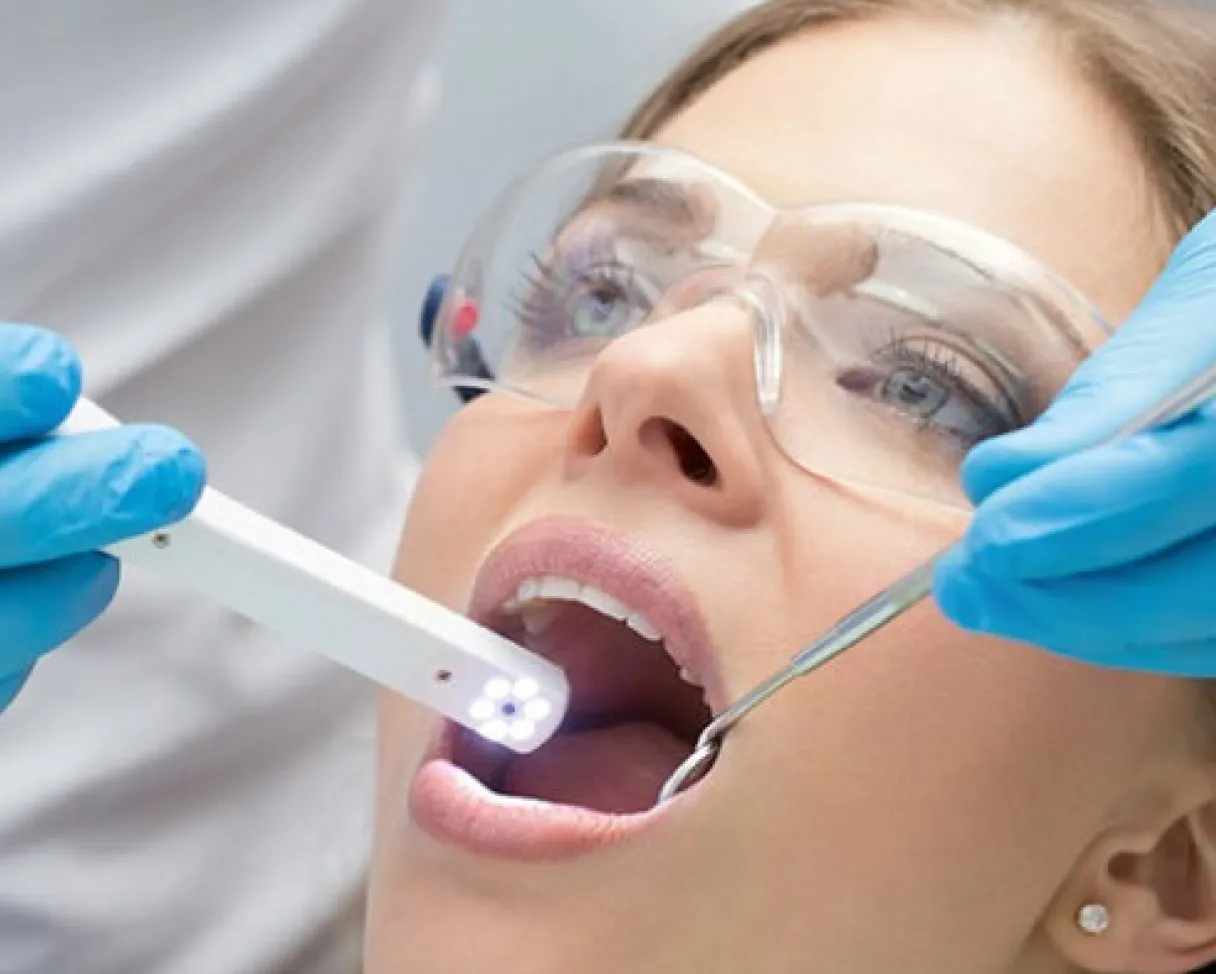
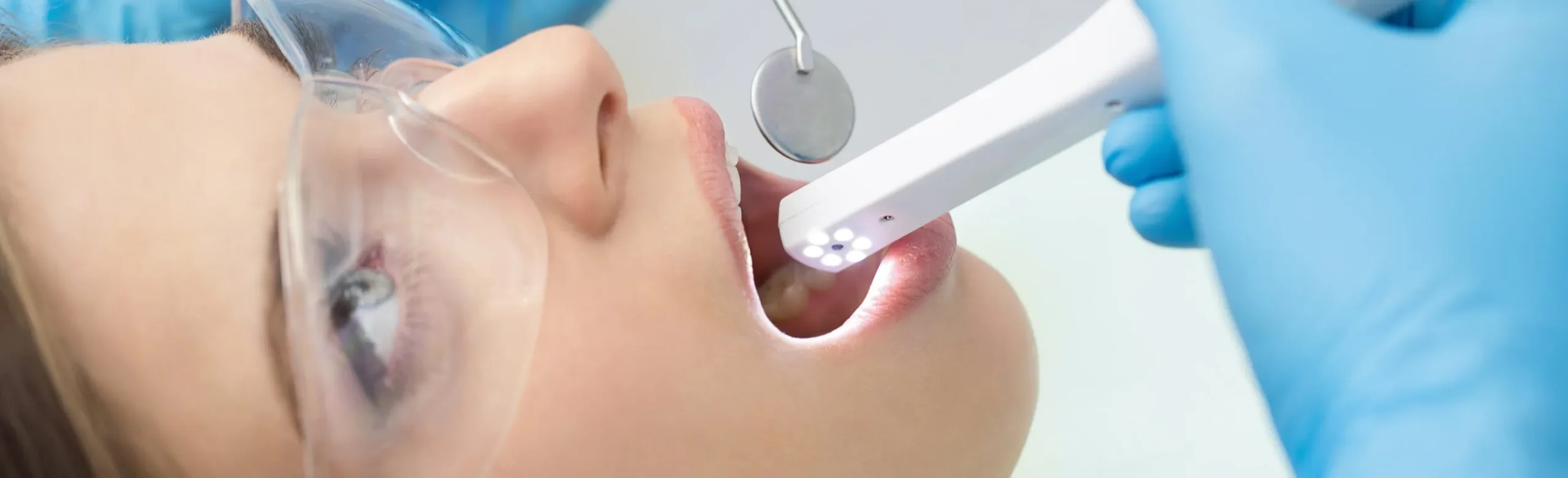
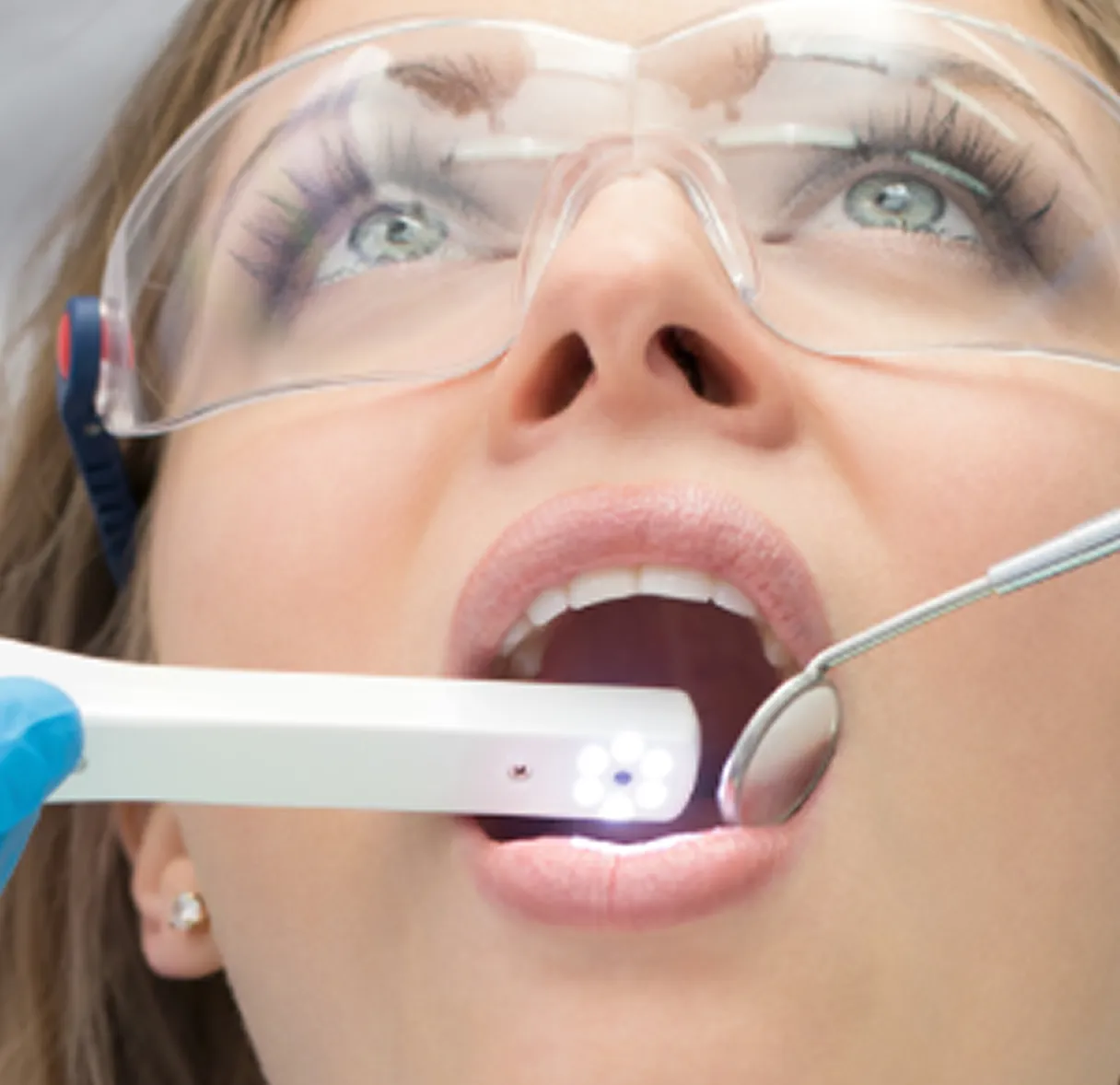
The intraoral camera is a small handheld device designed to capture close-up images inside the mouth. Its size allows the dental professional to position it around many tooth and gum surfaces, although comfort can vary according to mouth opening, sensitivity, and the area being examined.

Step-by-Step Imaging Process
During your exam, the dental professional positions the camera around selected tooth and gum surfaces to capture detailed images. The images appear on a nearby screen and can be reviewed with you during the appointment. Areas of interest may be documented and explained as part of the clinical examination.

What the Camera May Feel Like
The camera captures images without drilling, vibration, heat, or ionizing radiation. You may notice light contact or pressure as the device is positioned, and some areas may feel less comfortable if your mouth is sore or you have a sensitive gag reflex. Tell the dental team if you need a pause or a change in positioning.
What Can an Intraoral Camera Help Show?
Intraoral cameras provide enlarged images of visible tooth, restoration, and gum surfaces. The images may document changes that warrant closer clinical evaluation, monitoring, or additional diagnostic testing.

Visible Tooth Changes and Cracks
Magnified images may show visible discolouration, surface breakdown, or fracture lines that warrant closer evaluation. Because many cavities and cracks are not fully visible on the tooth surface, the dentist may also use clinical tests, transillumination, or dental X-rays where appropriate.

Visible Gum-Tissue Changes
Intraoral images may document visible redness, swelling, recession, or other changes in the gum tissue. The dentist or dental hygienist interprets these images together with the clinical and periodontal examination to determine whether monitoring or further care is appropriate.

Visible Changes Around Restorations
Close-up images may show visible wear, fractures, discolouration, or changes around fillings, crowns, and other restorations. Additional clinical assessment or dental X-rays may be required to evaluate concerns that cannot be determined from the photograph alone.

Plaque & Tartar Buildup
Intraoral images may show visible plaque, calculus, or staining on accessible tooth surfaces. The dental team can use these images to explain areas that may benefit from improved home care or professional cleaning.
Schedule a Visit About Intraoral Camera
Schedule a visit to ask us how intraoral camera technology and dental technology in Burnaby can help you better understand your treatment and care options.
Is Intraoral Camera Technology Safe?
Intraoral cameras capture surface images using a small digital camera and built-in illumination. They do not produce the ionizing radiation used in dental X-rays, and the device does not alter tooth or gum tissue.

No Ionizing Radiation
A standard intraoral camera uses light and digital optics rather than X-rays to produce an image. It therefore does not expose the patient to ionizing radiation.

Surface Imaging Without Tissue Alteration
The camera photographs visible tooth and soft-tissue surfaces without cutting, drilling, or changing them. A protective barrier and applicable infection-prevention procedures are used during intraoral use.

Use for Patients of Different Ages
Intraoral cameras may be used during examinations for children, teenagers, and adults when the patient can comfortably tolerate the device. The dental team adapts its positioning and use to the patient's age, cooperation, mouth opening, and clinical needs.
Does an Intraoral Camera Replace X-Rays?
No. Intraoral photographs and dental X-rays provide different types of information. The dentist determines whether X-rays are needed based on your history, examination findings, symptoms, and the area being assessed.

When X-Rays Are Still Needed
Dental X-rays may be recommended when the dentist needs information that cannot be obtained from surface images and clinical examination alone. Depending on the type of X-ray, this may include certain areas between teeth, roots, supporting bone, developing teeth, or other internal structures.

How Both Technologies Work Together
Intraoral cameras document visible tooth, restoration, and soft-tissue surfaces. Depending on the type taken, dental X-rays may provide information about roots, supporting bone, certain areas between teeth, and other structures that cannot be adequately assessed through photographs alone. The dentist selects each imaging method according to the information clinically required.

Comprehensive Diagnostic Approach
By using both intraoral cameras and X-rays together, we help support a comprehensive assessment of your oral health. Our approach to dental technology in Burnaby is designed to combine imaging tools to support clinical diagnosis and more informed care decisions.
Comprehensive Diagnostic Approach
By using both intraoral cameras and X-rays together, we help support a comprehensive assessment of your oral health. Our approach to dental technology in Burnaby is designed to combine imaging tools to support clinical diagnosis and more informed care decisions.
CDCP
Important Information for CDCP Patients
Treatment under the Canadian Dental Care Plan is not fully covered. A co-payment will apply.

Why Burnaby Patients Trust Us for Advanced Dental Cleanings
Our goal is to make every cleaning effective, comfortable, and tailored to your needs. Here is what you can expect from our approach to dental cleanings.
Modern Diagnostic Technology
We use intraoral cameras and digital X-rays for different purposes within the examination process. Intraoral photographs support visual documentation and patient education, while X-rays may be prescribed when information about areas not visible clinically is needed.

Transparent, Patient-Centered Communication
We can use intraoral images to show visible findings and explain why monitoring, further assessment, or treatment may be considered. Images are interpreted together with the rest of the clinical examination rather than in isolation.

Focus on Prevention and Monitoring
Documenting visible areas over time may help the dental team compare changes and determine whether further examination, preventive guidance, monitoring, or treatment should be considered. The appropriate approach depends on the clinical findings and each patient’s oral-health needs.

Clear Visual Education During Visits
We use visual tools during your visit to explain your oral health in a clear and understandable way. This helps patients leave feeling informed about their care.

Plan Your Visit to Burnaby Dentist and Orthodontist
If you are experiencing tooth pain or a dental concern, you can contact Burnaby Dentist and Orthodontist to request an appointment and discuss your situation with our team.
Our clinic is located at 3999 Kingsway, Burnaby, BC V5H 1Y8, serving patients from Metrotown, South Burnaby, and nearby communities.
Same-day emergency appointments may be available depending on scheduling, though availability and treatment timing cannot be guaranteed. Please contact us to check availability and arrange your visit.
Our team can help you understand your symptoms and guide you through appropriate next steps based on your individual needs.
FAQs
Does the intraoral camera hurt?

The camera does not drill, vibrate, or emit heat. Most patients notice only light contact as it is positioned, but comfort varies, particularly for people with sore tissues, limited mouth opening, or a sensitive gag reflex. Let the dental team know if you need a break.
What does an intraoral camera look like?

It is a small, pen-shaped handheld device with a tiny camera and light at the tip.
What can an intraoral camera help show?

It can provide enlarged images of visible tooth surfaces, gum tissue, plaque or calculus, staining, wear, fractures, and restorations. These images support assessment and documentation but do not replace the clinical examination, X-rays, or other diagnostic tests when needed.
Can I see the images during my appointment?

Yes, the images are displayed on a screen in real time so you can see what your dentist sees.
Does an intraoral camera replace X-rays?

No, it complements X-rays but does not replace them, since each provides different types of information.

Contact Us Today!
Contact Burnaby Dentist and Orthodontist About Intraoral Camera in Burnaby
- Straighten crooked and misaligned teeth
- Conceal chips, cracks, and discoloured teeth
- Whiten and brighten your smile
- Take years off the look of your teeth
- Boost your self-esteem!
Monday
9 AM – 5 PM
Tuesday
8 AM – 5 PM
Wednesday
9 AM – 6 PM
Thursday
9 AM – 5 PM
Friday
9 AM – 5 PM
Saturday
9 AM – 4 PM